You’re planning a trip from the US to Lagos, and the visa question comes up fast. Here’s the direct answer: yes, US citizens need a visa to enter Nigeria, and most travelers apply online before they fly.
That’s the good news. The paperwork sounds heavier than it is, once you know which visa type fits your trip, what documents to gather, and how long processing takes.
This guide walks you through all of it: visa types, application steps, required documents, fees, processing times, and what happens when you land at Murtala Muhammed International Airport.
One thing before we start. LagosMove is an independent information platform, not a visa agent, so everything here is plain guidance to help you apply with confidence.
Let’s get your paperwork sorted.
Key Takeaways
- Yes, US citizens need a visa for Nigeria, and most travelers apply online before they fly.
- Match the visa type to your trip, because tourist, business, and transit visas follow different rules.
- Your passport needs at least six months of validity beyond your travel dates.
- Processing times vary, so start the application well before departure day.
- Keep a printed copy of your visa approval and booking reference in your hand luggage for checks on arrival.
Do US Citizens Need a Visa for Nigeria?
Yes, US citizens must hold a valid visa before flying to Nigeria for tourism or business, and there is no visa-free entry for American passport holders. The visa comes first, the flight comes second. Entry rules are set by the Nigeria Immigration Service, so check the official portal before you book anything, because policies and fees can change without much notice.
Your passport matters as much as the visa. It should be valid for at least six months beyond your travel dates, with blank pages for entry stamps. Airlines check this at check-in, and a passport that falls short can stop you at the departure gate in the US, long before you see Lagos.
There’s no visa-on-arrival shortcut for ordinary tourist trips either. A few categories, like certain official or diplomatic passports, follow separate arrangements, but a standard US passport needs an approved visa in hand. Applying online through the official portal is the normal route for most visitors, and approval usually arrives by email before departure.
One practical habit worth copying from seasoned travelers: print your visa approval and keep it with your passport in your hand luggage. Immigration officers at Murtala Muhammed International Airport will want to see both, and digging through checked bags at the arrivals hall is nobody’s idea of a smooth landing.
If Nigeria is one stop on a wider trip, remember the same logic applies elsewhere in West Africa; entry rules for Ghana, for example, are enforced just as strictly on arrival in Accra. Confirm each country’s requirements with its official immigration authority before you pay for flights, not after.
Types of Nigeria Visas for US Travelers
Nigeria offers several visa categories, and the one you pick shapes your documents, fees, and how long you can stay. Most US travelers land on one of three: tourist, business, or an online/arrival option. Entry counts and stay lengths differ by category, and the list can change, so confirm the current lineup on the Nigeria Immigration Service website before you apply.
Nigeria Tourist Visa: Who It’s For and What It Covers
The tourist visa fits holidays, family visits, and sightseeing. It does not cover work of any kind, paid or unpaid. To apply, you’ll need a passport with six months of validity, an invitation letter from a host in Nigeria or a confirmed hotel booking, and a return ticket. A single entry visa lets you enter Nigeria once, and the visa ends when you leave. A multiple entry visa lets you come and go several times within its validity, which suits repeat visitors.
Nigeria Business Visa for Meetings and Short Work Visits
The business visa covers meetings, conferences, negotiations, and site visits. It does not permit paid employment in Nigeria. Your invitation letter usually needs to come from the Nigerian company hosting you, and it should describe the purpose and duration of the visit. Planning a longer work assignment? That requires a different route, such as an STR (Subject to Regularization) visa tied to an expatriate quota. Confirm the requirements with the Nigerian embassy before you commit, because the rules for work-based entries are stricter than most travelers expect.
Visa on Arrival and the Nigeria e-Visa Explained
Nigeria has shifted toward online processing in recent years, including an e-visa route that delivers approval by email. Visa on arrival rules have also changed more than once, so don’t assume the old advice still holds. Check the official NIS portal for which options are open to US passport holders right now, before you book flights.
Watch out for unofficial websites claiming to sell arrival approvals. Only the Nigeria Immigration Service can issue them, and a fake approval letter gets stopped at the airport door.
How to Apply for a Nigeria Visa for US Citizens
Here’s the whole process in plain terms: you apply online through the Nigeria Immigration Service portal, gather your documents, pay the official fee, and wait for approval by email. Start early, follow each step in order, and the paperwork stays manageable. Rush it, and small mistakes turn into big delays. Let’s break it down.
Your Step-by-Step Application Through the Nigeria Immigration Service Portal
Work through the application in this order:
- Create an account on the official NIS portal using your email and phone number.
- Complete the online form, entering your details exactly as they appear in your passport. One wrong letter causes problems at check-in.
- Upload your documents, including your passport photo and supporting papers.
- Pay the visa fee through the portal’s official payment channel.
- Submit the application, then complete any in-person step, such as biometric capture, where the portal requires it.
Start three to four weeks before you fly. Processing takes time, and you want room for corrections. Save every confirmation email and reference number until your trip ends, because you may need them at check-in and again on arrival in Lagos.
Documents You Need Before You Start Your Application
Gather everything before you touch the online form. It makes the whole process faster and saves you from half-finished applications sitting in the system.
Your checklist should include:
- A passport valid for six months or more, with blank pages for entry stamps
- A recent passport photo that meets the portal’s size rules
- An invitation letter or a confirmed hotel booking
- Your return ticket details
- Your yellow fever vaccination card
If a host in Nigeria is inviting you, the letter should carry their full name, address, and a copy of their ID. Weak invitation letters are one of the most common reasons applications stall, so get this right the first time.
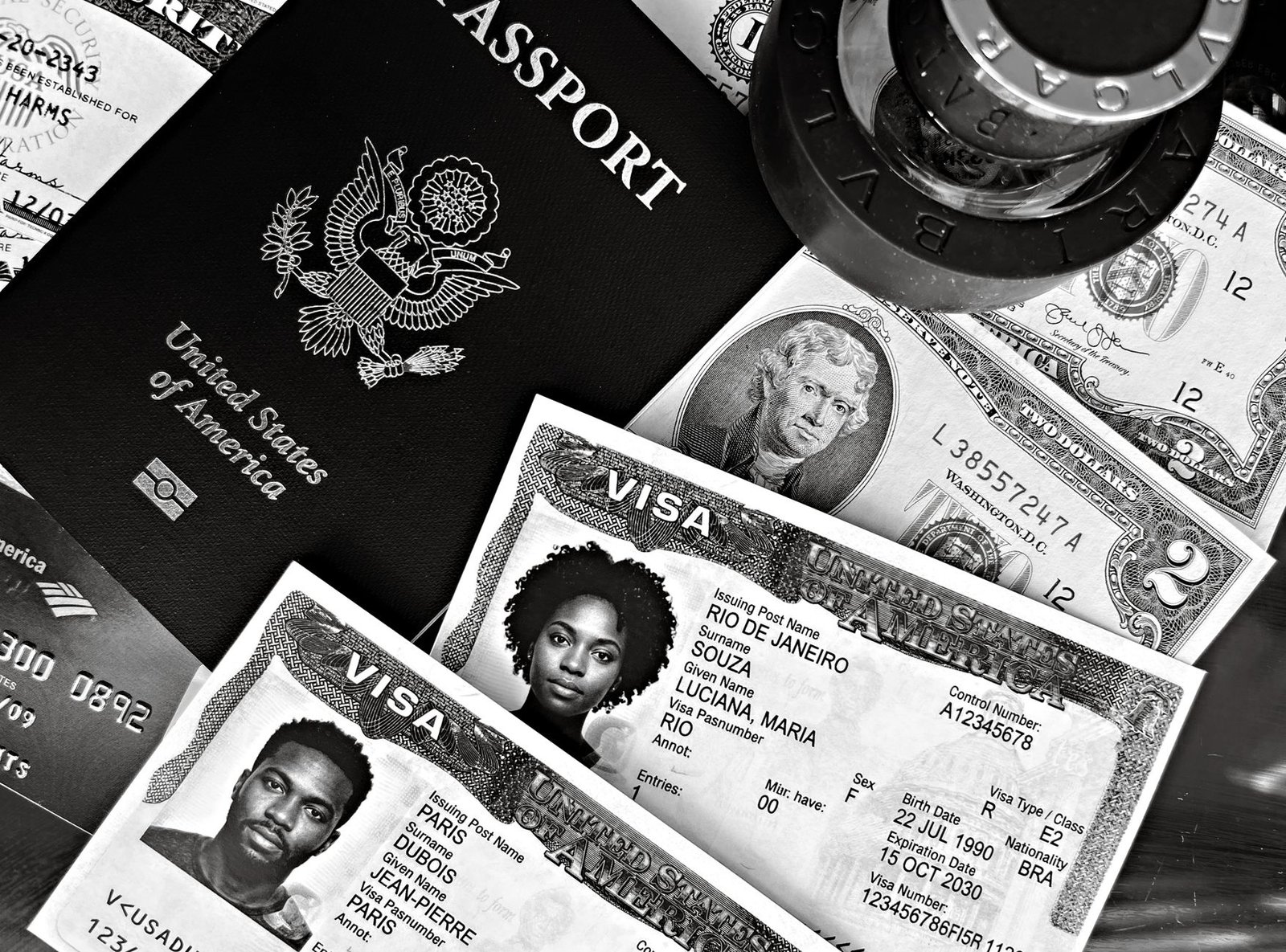
Photo by DΛVΞ GΛRCIΛ
Nigeria Visa Fees and Processing Times for US Passport Holders
Fees for US passport holders differ by visa type and entry count, so a single-entry tourist visa costs something different from a multiple-entry business visa. The amounts also change, so confirm the current figure on the official NIS portal before you pay. Don’t rely on blog posts, including this one, for the exact dollar amount.
Processing windows vary too. Standard applications usually take days to a couple of weeks, and expedited options may be available if you’re in a hurry. Check what the portal offers for your visa type.
One safety rule above all: never send money to a personal bank account. Real fees go through the official portal only. If someone offers a faster visa for cash, walk away.
Landing in Lagos: Airport Arrival and Getting Into the City
Your visa is approved, your bags are packed, and the plane is descending into Ikeja. The last stretch of your trip now depends on what happens in the next hour or two. Here’s what arrival day at Murtala Muhammed International Airport looks like, and how to finish the journey without stress.
What to Expect at Murtala Muhammed Airport Immigration
The arrival sequence is simple once you know the order. First comes immigration, where officers check your passport and visa approval and may capture biometrics. Keep your passport, visa printout, and yellow fever card in your hand luggage, within easy reach. You’ll show them more than once before you exit.
After immigration, collect your bags at the carousel, then pass through customs before stepping into the arrivals hall. Queues stretch longest during morning and evening arrival banks, so build patience into your plan. A folder with every document you printed beats a frantic search at the counter, because digging through a suitcase in line delays everyone behind you.
Watch your luggage ticket at every stage. Bags do go missing at MMIA, and reporting it before you leave the hall is far easier than calling later.
Getting From the Airport to Your Hotel or Meeting
There’s no rail link at the airport, so every trip into the city starts on the road. You have four options, and each suits a different traveler.
- Authorized airport taxi: book at the official desk inside arrivals, not from anyone who approaches you at the curb, and agree the fare before the car moves.
- Ride-hailing (Uber or Bolt): follow the pickup point the app shows, then match the driver’s name, photo, vehicle color, and plate number before entering.
- Private transfer: pre-booked, ideal for late arrivals or heavy bags, and worth confirming against the Lagos airport terminal guide since Murtala Muhammed has several separate buildings.
- BRT or city bus connections: cheapest, but they suit light luggage and travelers who know Lagos.
One check matters more than the rest: confirm your exact terminal with your airline before anyone picks you up. The international and domestic terminals sit about a kilometer apart, and a wrong pickup point costs you an hour in traffic. Compare our airport transfer options against a hotel pickup, then choose what fits your luggage, arrival hour, and budget.
Visa Mistakes That Cost US Travelers Time and Money
Most visa problems come from small, avoidable slips, not complicated rules. Run your application against this list before you pay anything, because every one of these mistakes has delayed or blocked a real traveler.
- Applying through a lookalike site. Search results are full of third-party pages that charge extra fees or harvest your data. Use the official Nigeria Immigration Service portal only, and check the web address character by character.
- Picking the wrong visa category. A tourist visa does not cover business meetings, and a business visa does not cover paid work. Match the category to what you’ll actually do in Nigeria, because immigration officers ask.
- Submitting a weak invitation letter. Your host’s letter needs their full name, address, and a copy of their ID. A vague one-page note is one of the most common reasons applications stall.
- Traveling on a passport close to expiry. Nigeria expects at least six months of validity beyond your travel dates. Airlines check this in the US, so a borderline passport can stop you before takeoff.
- Leaving the yellow fever card behind. Health and immigration officers can ask for proof of vaccination on arrival in Lagos. Keep the card with your passport, never in a checked bag.
- Applying too late. Processing takes days to weeks, and rush jobs leave no room for corrections. Start three to four weeks before your flight.
- Skipping the printout. An approval letter sitting in your email is harder to show than one on paper. Print it, and keep a screenshot offline as backup.
Before any money leaves your account, confirm every detail (fee, category, document list) through the official portal, because policies and fees change without much notice.
Frequently Asked Questions
You’ve read the guide, but a few loose ends probably remain. Here are the questions US travelers ask most, with short answers that stand on their own.
Can I extend my stay once I’m in Nigeria?
Yes, but you must apply before your current visa expires. Extensions go through the Nigeria Immigration Service, and approval is at their discretion. Don’t wait until the last week, because an expired visa carries fines and complications at departure.
What if my visa is approved after I already booked my flight?
That order works, but it’s risky. If processing is delayed or your application is refused, change fees and fare differences still apply. The safer sequence is visa first, ticket second, unless the fare has flexible terms in writing.
Do children need their own visa?
Yes. Every traveler, including infants, needs an individual visa and passport. A child cannot ride on a parent’s visa, and each application needs its own documents and fee.
Do I need any vaccinations besides yellow fever?
Yellow fever is the one officers routinely check on arrival, so carry the card with your passport. It’s smart to review the CDC’s Nigeria travel health notices before you fly, since recommendations can include malaria prevention and routine updates.
Can I enter Nigeria by land with the same visa?
A valid visa generally allows entry at land borders as well as airports, but border crossings follow their own hours and procedures. Confirm your entry point’s current status with the Nigeria Immigration Service before planning a road arrival, because rules at crossings change more often than airport rules do.
What happens if I lose my passport while in Nigeria?
Report it to the police, then contact the US Embassy in Abuja or the US Consulate General in Lagos for a replacement passport. You’ll also need to regularize your visa status with Nigerian immigration before you fly home, so start both processes immediately.
Conclusion
The whole process comes down to three moves. Pick the visa type that matches what you’ll actually do in Nigeria, apply early through the official Nigeria Immigration Service portal, and line up your airport transfer before you fly. Get those right and the paperwork stops being the hard part of your trip.
Rules and fees change without much notice, so verify the current details through official sources: the NIS portal, the Nigerian Embassy and Consulates in the US, FAAN for airport guidance, and CDC travel notices for health requirements.
Your visa is sorted once you’ve done that. The rest is Lagos, and we have guides to help you enjoy it. Explore our airport transfer, terminal, and city transport guides to plan every mile after you land.



Leave a Reply