Traffic robbery reports change how people travel at night on Lagos highways. When word spreads of attacks on routes like the Lagos-Ibadan Expressway or the Lagos-Badagry Expressway, many travelers move their departure to daylight, cancel night buses, or switch to day travel entirely. We have watched bookings shift on major Lagos routes after a widely shared robbery report, sometimes within hours. This guide explains what these reports mean, how they change night travel on Lagos highways, and what you can do to stay safe.
Key Takeaways
- Traffic robbery targets vehicles stuck in gridlock on Lagos highways, mostly after dark.
- Reports spread fast on WhatsApp, X, and Nigerian newsrooms; rumor often mixes with fact.
- Robbery reports cut night bus bookings, push operators to change schedules, and raise fares.
- The FRSC discourages night travel and encourages two drivers on overnight journeys.
- Book through official channels, keep valuables close, and check current reports before you travel.
What Traffic Robbery on Lagos Highways Really Means
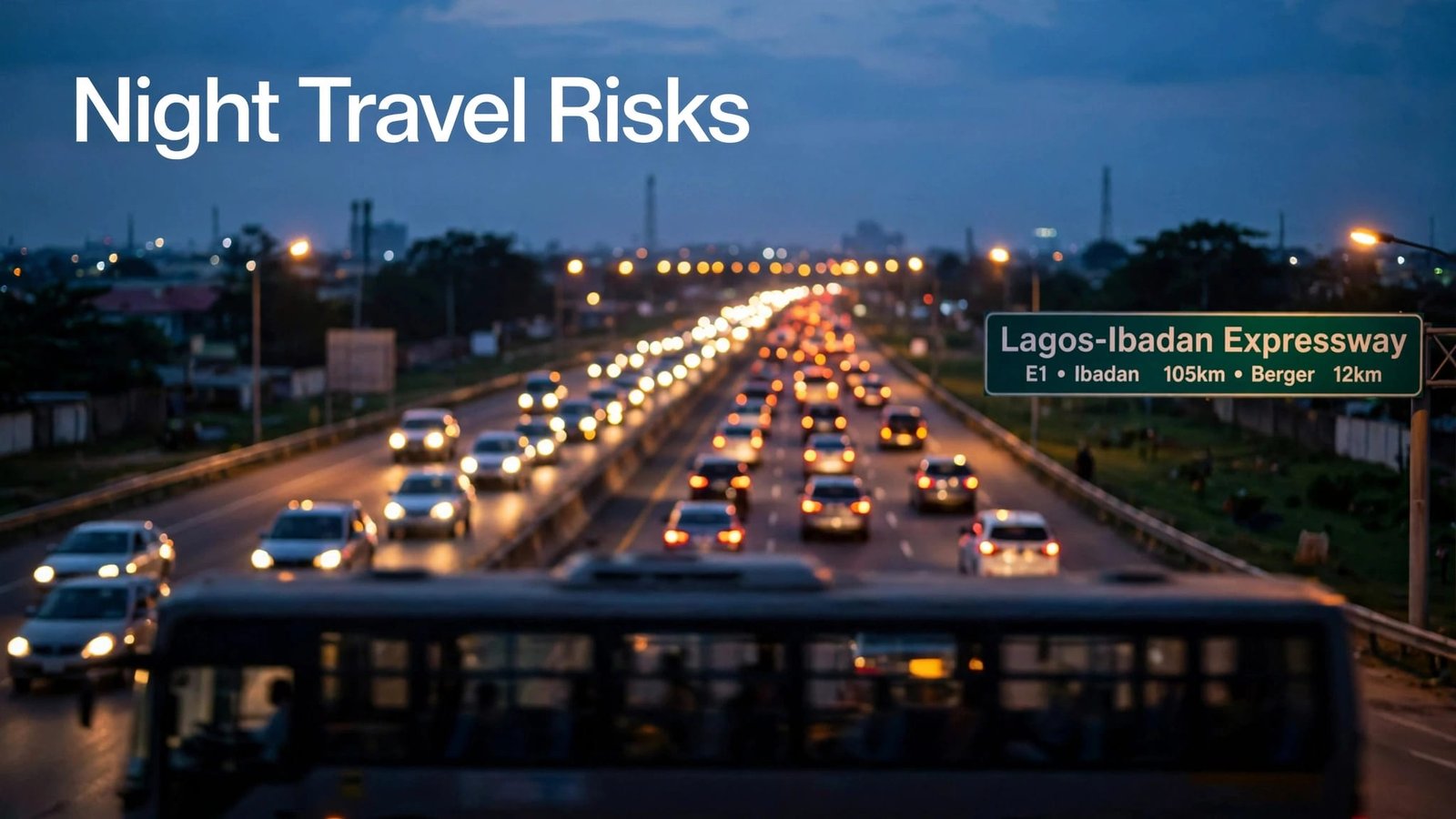
Traffic robbery is when criminals target vehicles stuck in gridlock or slow-moving traffic. It happens mostly at night, when darkness limits visibility and escape options. The corridors that appear most often in reports are the Lagos-Ibadan Expressway, the Lagos-Badagry Expressway, and the Oshodi-Apapa corridor, where long stretches of standstill traffic leave vehicles boxed in.
Reports travel fast. A single WhatsApp voice note from someone at a scene can reach thousands of travelers before any official statement appears. Newsrooms such as Punch, Premium Times, and BBC Pidgin cover confirmed incidents, while the Nigeria Police and the FRSC issue advisories through official channels. Treat unverified claims with caution. Confirm whether an attack actually happened before you cancel a trip or reroute your journey, because a false alarm can cost you a seat on a booked bus.
How Traffic Robbery Reports Affect Night Travel on Lagos Highways
Each report triggers a chain of decisions by passengers, operators, and drivers. Understand the chain so you can predict what happens to your booking, your fare, and your departure time after a robbery incident makes the rounds.
Passengers Shift to Day Travel or Cancel Trips
Expect night bus bookings to drop after a robbery report circulates. Operators on affected corridors see demand move toward morning departures, often within a day of the report. Interstate coaches that arrive after 9 p.m. become less attractive, because arriving in an unfamiliar city after dark adds risk at the arrival end. Travelers who once accepted a midnight departure start paying attention to arrival times instead of ticket prices. If you book a night seat during this period, book early, because the remaining night departures on affected routes fill quickly as cautious travelers compete for the few trusted operators still running them.
Operators Change Schedules, Routes, and Security
Transport companies respond to reports with schedule and security changes, not silence. Common responses include suspending night trips on the affected corridor, adding security escorts on high-risk stretches, and moving rest stops away from isolated locations. The FRSC encourages two drivers per night journey so one driver can rest while the other works, and reputable operators follow that standard. Lagos authorities have also pushed vehicle standards upward through the fleet overhaul and the ban on ageing buses, which raises the baseline for what you should accept on any night trip. Ask the operator directly whether two drivers are assigned to your departure and how rest breaks are handled.
Prices, Delays, and Detours Rise After Dark
Fewer night departures mean fewer seats, and fewer seats push fares up on affected routes. Waiting times at parks grow when many passengers crowd the same trusted operators. Drivers avoid known flashpoints even when the detour adds an hour or more, and some choose slower roads with better lighting instead of fast expressway sections. Ride-hailing adds its own pressure, because surge pricing after midnight can double the cost of a ride you had planned around. Budget for the whole night journey, not just the bus ticket, before you commit to a night departure.
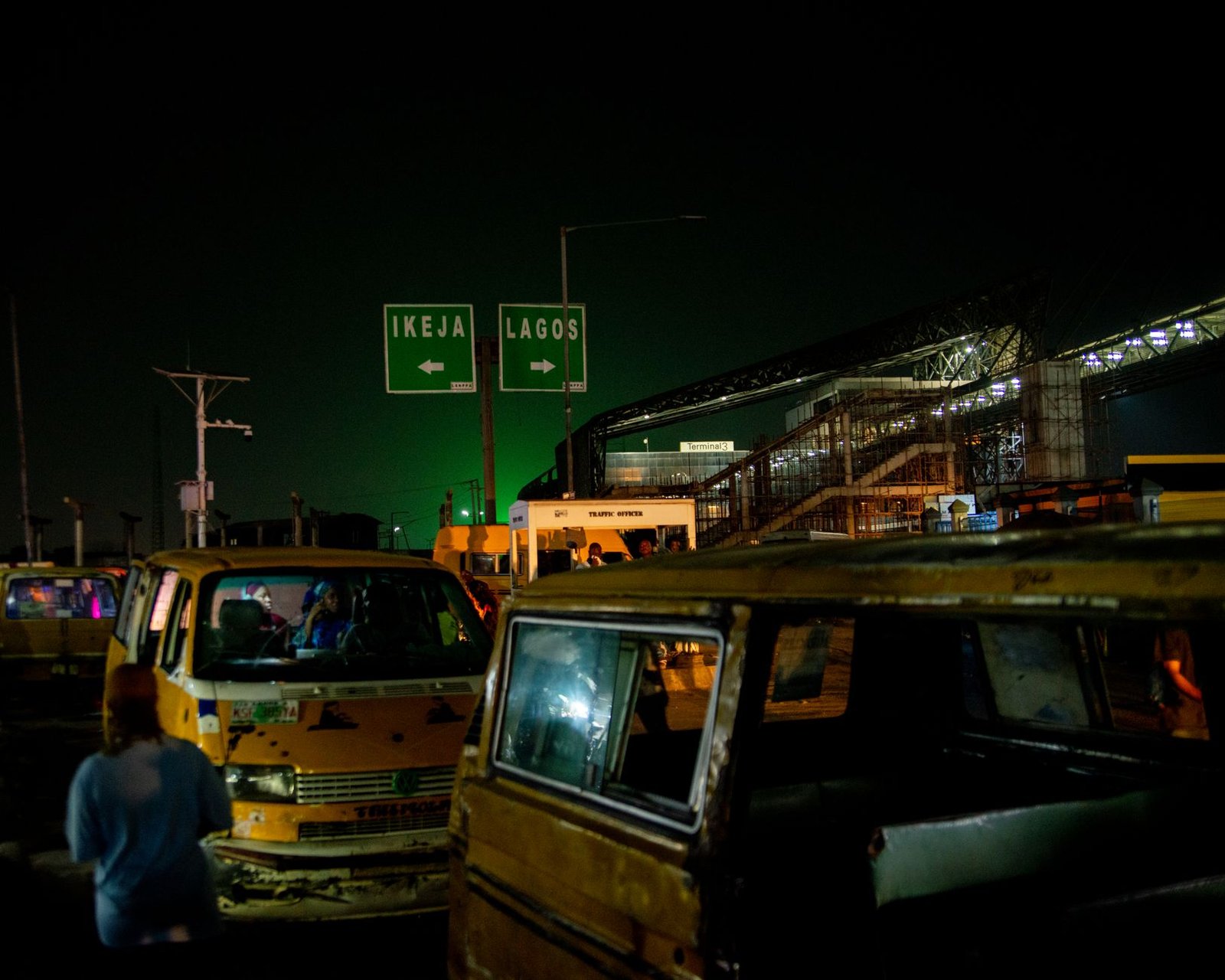
Photo by David Iloba
Highway Hotspots and Times When the Risk Goes Up
Risk clusters around conditions, not just locations. Long standstill sections, poorly lit stretches, and isolated points of congestion give criminals the time and cover they need. The corridors where reports concentrate include Berger on the Lagos-Ibadan Expressway, the Oshodi-Apapa corridor with its truck traffic, and unlit sections of the Lagos-Badagry Expressway.
| Corridor | Conditions That Raise Risk |
|---|---|
| Lagos-Ibadan Expressway (Berger axis) | Long gridlock, broken-down vehicles, poor lighting at night |
| Oshodi-Apapa corridor | Heavy trucks, slow-moving traffic, dark stretches |
| Lagos-Badagry Expressway | Unlit sections, sparse traffic late at night |
| Island-Mainland crossings | Congestion after events, rain, late-night closures |
Three conditions multiply the risk. Broken-down vehicles create stationary traffic that nothing can clear quickly. Darkness hides what is happening a few cars ahead. Rain reduces visibility for everyone and slows responses further. Conditions shift week to week, so check current reports for your exact route before you travel rather than relying on last month’s experience.
How to Stay Safe on a Night Journey Through Lagos
Habits remove most of the risk on a night journey, not luck. The two habits that matter most are choosing a verified operator and planning your money, valuables, and return trip before you leave home.
Choose Verified Operators and Check Them First
Book through official websites, apps, or staffed ticket offices, and never send money to a personal bank account. Ask whether two drivers are assigned to the night journey, because the FRSC’s Road Transport Safety Standardization Scheme encourages that arrangement on overnight trips. Confirm the exact terminal, gate, and boarding point before you leave home, since a ticket that says only “Lagos” is not a boarding instruction. For terminal checks and boarding precautions, the Lagos transport safety guide lists what to confirm before you pay. Arrive early enough to inspect the coach before loading your bags. Match the bus to your booking, look for blocked exits, and check that seat belts work before you settle in.
Keep Your Valuables and Plan Your Trip Home
Carry cash in small notes split between pockets, and keep phones out of sight in traffic, because a lit screen visible through a window attracts attention. Keep documents, medication, money, and electronics in your hand luggage, never in the overhead rack. Save your booking reference, receipt, and the operator’s contact offline in case network coverage drops. Share your route, departure time, and expected arrival with someone you trust before departure. For movement within Lagos after you arrive, the guide to getting around Lagos breaks down ride-hailing, taxis, and the options that still run late. Arrange that last leg before you depart, especially if your bus may arrive before sunrise.
Frequently Asked Questions
Does the FRSC ban night travel on Lagos highways?
No, the FRSC does not ban night travel, but it advises against it where practical. The agency encourages two drivers per overnight journey and enforces vehicle and terminal standards through its safety scheme. Reputable operators build their night schedules around those rules.
Are danfo buses safe for night travel in Lagos?
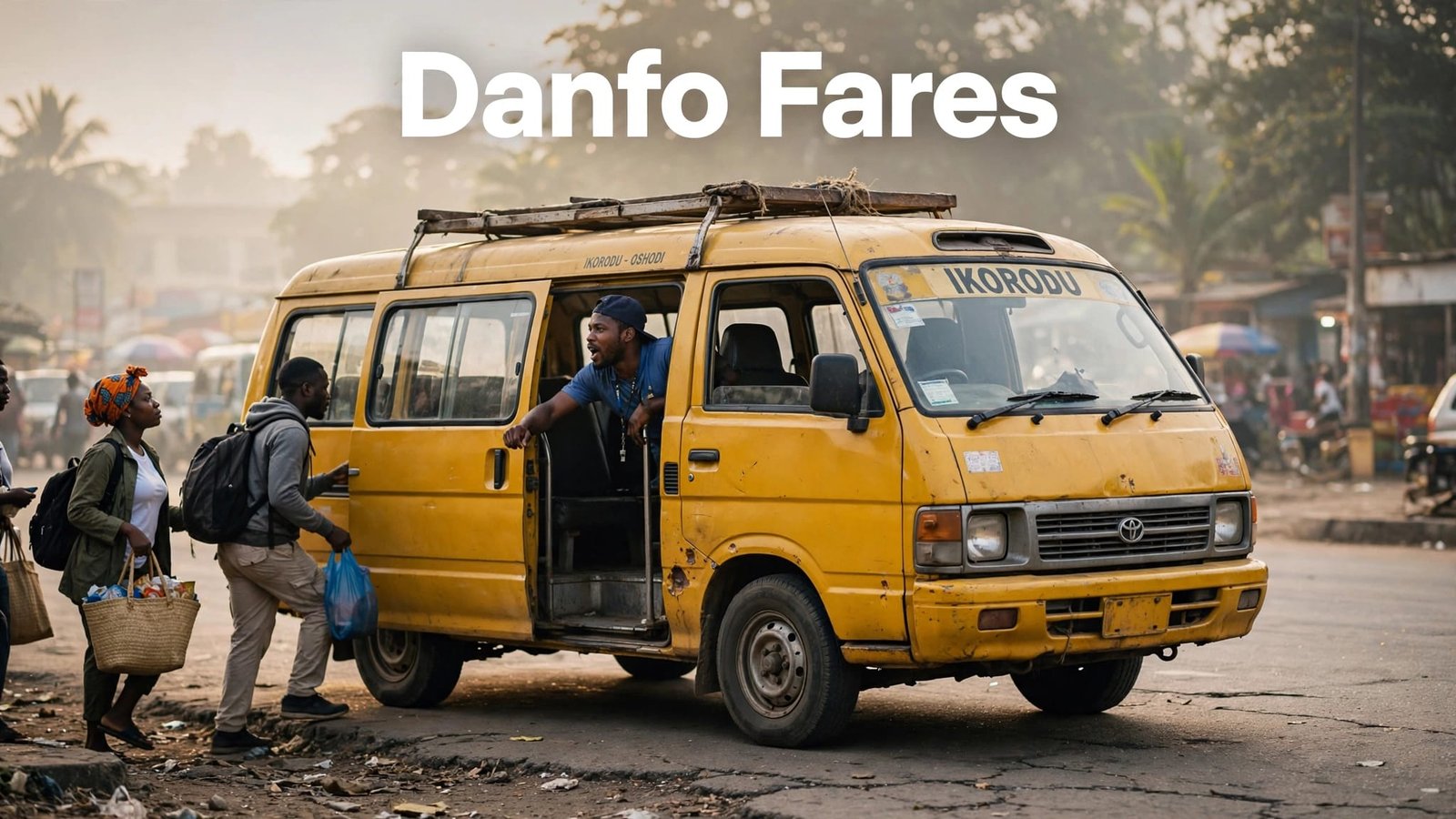
Danfo minibuses carry more risk at night than registered interstate coaches. They often run unlit routes, stop informally, and lack the driver monitoring that larger operators use. Prefer a verified coach operator for any night journey outside Lagos.
What should I do if my bus is stuck in a long hold-up?
Stay inside the vehicle with doors locked and windows up. Keep your phone out of sight, avoid recording openly in slow traffic, and follow the driver’s instructions. Do not get out to investigate or argue with anyone approaching the vehicle.
Do ride-hailing apps work reliably in Lagos after midnight?
Uber, Bolt, and inDrive operate at night across Lagos, but availability falls in some areas and surge pricing raises fares. Agree on your pickup point in a well-lit location, match the plate number and driver name before entering, and share the trip with someone you trust.
How early should I arrive at the terminal for a night bus?
Arrive 60 to 90 minutes before departure. Lagos traffic on corridors like Oshodi, Ojota, and Berger can delay your trip to the terminal, and night departures usually begin boarding between 6 p.m. and 10 p.m. Early arrival also gives you time to inspect the coach.
Is a day trip always safer than a night trip?
Day trips reduce visibility and robbery-related risks, especially on corridors with recent reports. The trade-off is traffic, since Lagos congestion can double journey times. Weigh the report history for your route against your schedule before choosing.
Conclusion
Traffic robbery reports should inform your plans, not scare you off night travel entirely. Follow the same routine every time: check current reports for your exact corridor, book through official channels, prefer day departures on affected routes, keep valuables in your hand luggage, and build buffer time for traffic on both ends. A night trip with these habits in place becomes a manageable journey rather than a gamble. Prepare first, then travel, and most of what goes wrong after dark loses its chance to happen to you.
Leave a Reply