The Lagos to Garoua trip covers 1,200 to 1,500 km and takes 24 to 36 hours by road. You cross the Nigeria-Cameroon border through two posts: a Nigerian exit and a Cameroonian entry.
If you have searched for this route, you have likely found conflicting fares and unclear border steps. Published figures online are planning estimates, not live quotes, and no operator should be treated as a guaranteed direct departure. LagosMove is an independent information platform, not an operator or booking agent. This guide draws on Sylvia Johnson’s long-distance road travel experience across Nigeria and West Africa.
Below you get fare ranges for each leg, the realistic route options, border documents and steps, the full trip budget, and safety timing.
Key Takeaways
- Budget a full trip, not one seat price; the journey splits into a Nigerian leg, a border crossing, and Cameroonian legs.
- Expect 24 to 36 hours of travel, usually split over two to three days with an overnight stop.
- Carry a valid international passport with six months’ validity, a Cameroon visa arranged in advance, and your yellow fever card.
- Leave Lagos between 4:30 and 5:15 a.m. to clear traffic and hold daylight for the highway.
- Add 15 to 20 percent contingency on top of your budget for meals, porters, taxis, and delays.
How Much Does the Lagos to Garoua Trip Cost in Total?
Treat the trip as three paid legs, not one ticket. Leg one runs from Lagos toward the east or southeast of Nigeria. Leg two carries you across the border into Cameroon. Leg three moves north through Cameroon toward Garoua in the North Region.
Fares change with fuel prices, demand, and season. A Christmas or Easter departure costs more than the same seat in a quiet month. Every figure below is a planning estimate; the only price that counts is the one the operator confirms before you pay.
Flying is the comparison point. You can fly from Lagos into Douala or Yaoundé, then connect north toward Garoua by air or road. That option saves days of travel but usually costs several times the road budget. Road travel trades money for time.
| Leg | Typical form | Planning cost |
|---|---|---|
| Lagos to Enugu or Calabar | Interstate coach | About ₦29,000 to ₦65,000 (Enugu); ₦40,000 to ₦60,000 (Calabar) |
| Border crossing zone | Taxi, motorcycle, or shared car | Small cash payments, priced locally |
| Cameroon legs toward Garoua | Coaches and shared vehicles | Paid in CFA francs; varies by season |
Bus and Shared Vehicle Fares for Each Leg
Nigerian interstate coach pricing is the most documented part. Eastbound coaches from Lagos toward Enugu or Calabar range from standard seats to executive classes, and the class changes the price. Shared vehicles cost less than coaches but carry less luggage per passenger.
The Cameroonian legs work differently. Coaches serve the main Yaoundé-Bamenda-Ngaoundéré-Garoua axis, and shared seven-seat vehicles fill the gaps between towns. Expect to change vehicles at least once inside Cameroon.
No single operator is guaranteed to run the full Lagos to Garoua route direct. Most travelers book leg one with a Nigerian company, cross the border independently, and book the Cameroonian legs with local operators. Plan the itinerary as connections, and build waiting time between them.
Hidden Costs Beyond the Bus Ticket
A cheap advertised fare rarely survives contact with the full journey. Count these extras before you set a budget:
- Meals across a multi-day trip, often ₦5,000 to ₦15,000 in total.
- Porter charges at parks and border zones, paid in small cash.
- Excess luggage fees, which rise sharply on shared vehicles.
- Local taxis between terminals in each city.
- The Cameroon visa fee, set by the embassy when you apply.
- Possible checkpoint payments along the corridor.
- One or two hotel stops for overnight breaks.
Add a 15 to 20 percent contingency on top of everything. The gap between the advertised seat price and the door-to-door cost is where most first-time travelers lose their budget.
Lagos to Garoua and Cameroon by Road: Routes and Border Steps
Two realistic corridors exist. The western route runs through Enugu or Cross River State to the Mfum-Ekok crossing, then north through Mamfe and Bamenda toward Ngaoundéré and Garoua. The eastern corridor runs through Taraba or Adamawa toward the border, then north into Cameroon’s North Region, which shortens the final distance to Garoua.
Check road conditions on your chosen corridor before departure. Both routes cross terrain where roadworks, weather, and security conditions change the journey time.
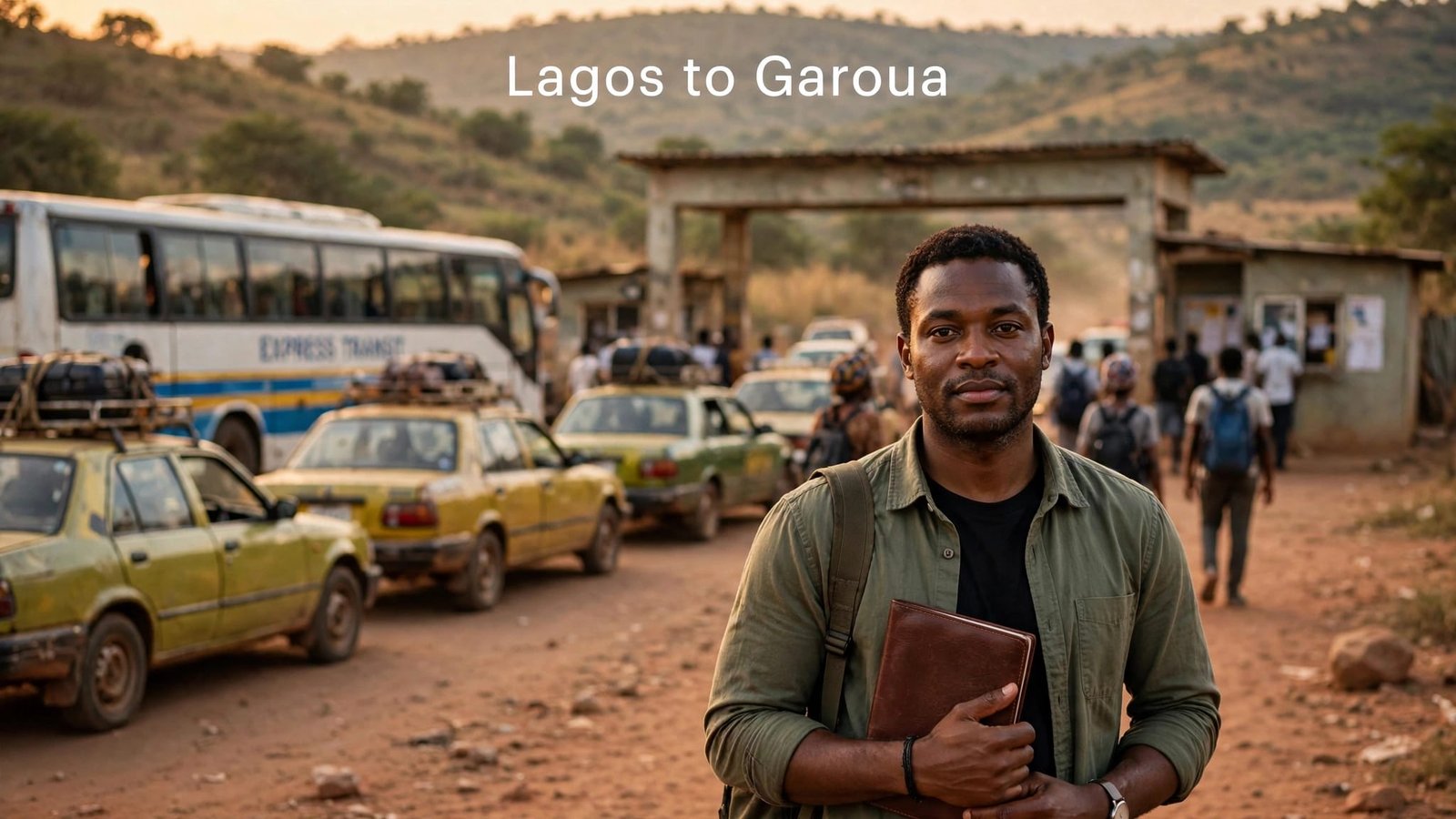
The border sequence is the same on either corridor. Exit immigration at the Nigerian post stamps you out. You then cross the no-man’s-land on foot or by vehicle. Entry immigration at the Cameroonian post stamps you in, and customs inspects vehicles and goods. Keep your passport and yellow fever card on your person, not in luggage held under the bus.
Documents You Need to Cross Into Cameroon
Carry an international passport with at least six months’ validity. A Nigerian passport holder needs a Cameroon visa, and the visa must be obtained in advance from the Cameroon Embassy in Abuja or through the honorary consulate channel. Cameroon is not part of ECOWAS, so the visa-free arrangements that work for Ghana or Benin do not apply here.
Carry your yellow fever vaccination card with the passport. Officers at both posts can ask for it, and a missing card slows the crossing more than any queue.
Driving your own car adds paperwork. Carry the vehicle registration, valid insurance, and the international documents the crossing requires for temporary vehicle import. Border rules and post operating hours change, so confirm current requirements with the Nigeria Immigration Service and Cameroon authorities before you set out.
What Happens at the Nigeria-Cameroon Border Crossing
The process follows a fixed sequence, and knowing it removes most of the stress:
- Present your passport at the Nigerian exit post and receive the exit stamp.
- Cross the no-man’s-land between the two posts, on foot or by arranged vehicle.
- Present your passport, visa, and yellow fever card at the Cameroonian entry post.
- Pass customs inspection for vehicles and goods.
- Answer currency and luggage checks where they apply.
Crossing time varies from under an hour to several hours. Queues, staffing, and time of day decide the length. Avoid arriving late in the day, when posts may be closing and you face sleeping at the border town.
Unofficial facilitators will offer to speed things up for a fee. Agree on any fee upfront or refuse politely. Never hand over your passport to a stranger to “process” on your behalf.
How Long the Journey Takes and Where to Stop Overnight
Plan for 24 to 36 hours of actual travel time at best, split over two to three days. Distance does not set your arrival time. Lagos traffic, checkpoints, meal stops, road conditions, and border queues each add hours.
The timetable is an estimate, not a promise. If you are meeting someone in Garoua, give them a day range, not an hour.
Where to Stop Overnight
Split the journey at sensible points rather than pushing through. Enugu works as a first-night stop on the eastern corridor. The Calabar or Ikom area suits travelers using the Cross River crossing. Inside Cameroon, Mamfe, Bamenda, and Ngaoundéré all serve as overnight towns, depending on how far you get on day two.
A hotel stop is part of the budget, not an optional extra. Fatigue on unfamiliar roads causes more delays than any mechanical fault. Driving through the night to recover lost time creates a bigger problem than the one it solves.
Safety and Timing Tips for the Road Trip
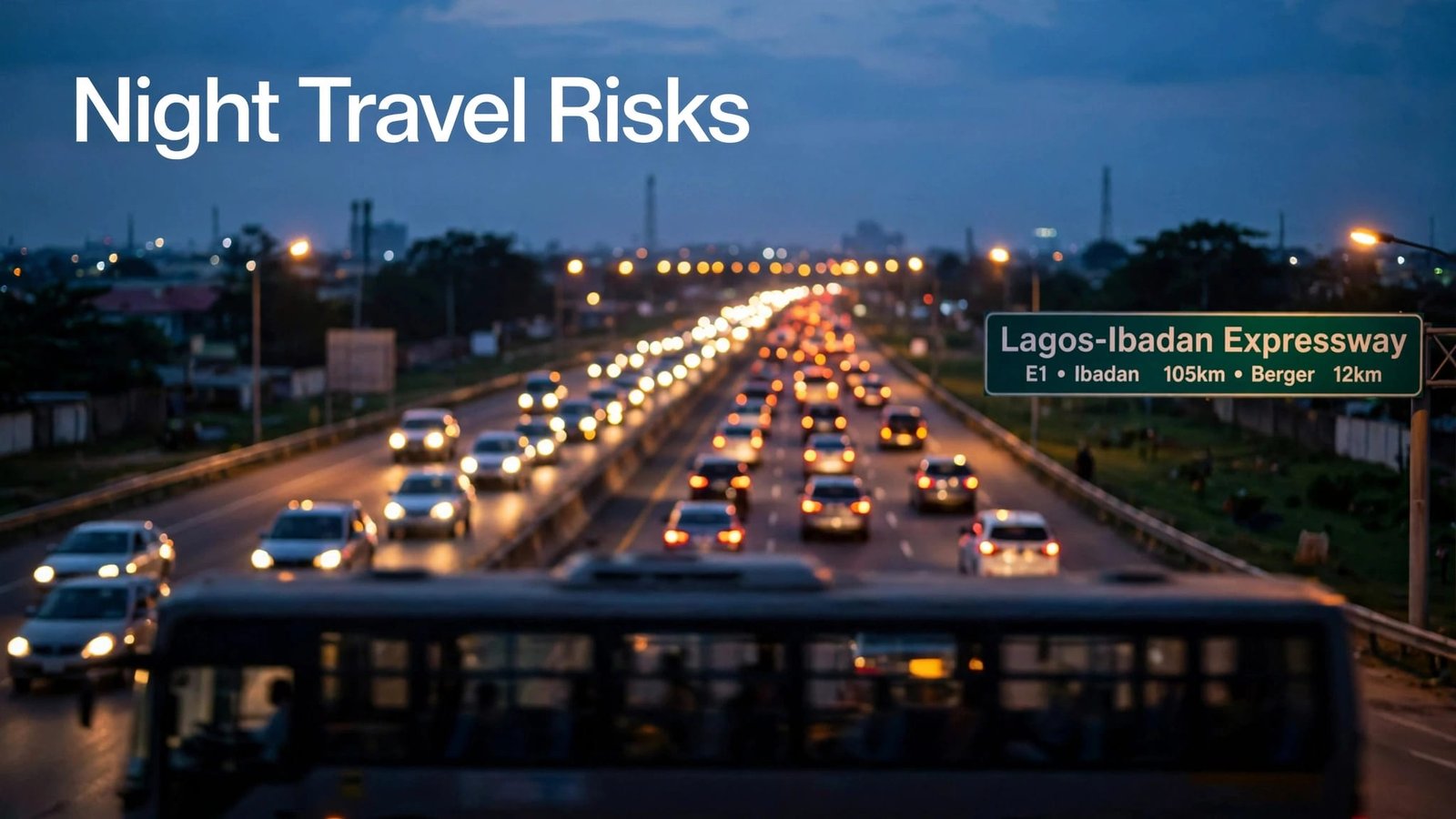
Leave Lagos between 4:30 and 5:15 a.m. That window clears the worst weekday traffic and holds daylight for the highway. Follow a fixed routine: share your route and expected arrival with someone at home before you depart.
Keep cash in more than one place on your body. Avoid travel through known security-sensitive areas after dark, on both sides of the border. Review current travel advisories for the Nigerian corridor and Cameroon’s North Region before departure, because border areas have seen periodic restrictions.
Stop when you are tired, not after you start making mistakes. The best schedule leaves room for real road conditions.
Bus Operator, Park, and Booking Steps Before You Pay
Follow a fixed booking sequence. Pick operators serving the eastern corridor from Lagos, then confirm the exact terminal and departure time on the operator’s official channel. Names such as GIGM, GUO Transport, ABC Transport, Chisco, Peace Mass Transit, and Cross Country appear on this corridor; treat them as examples to verify, not endorsements.
Confirm whether the service is direct or requires connections. Pay only through official offices or verified platforms. The same company can load different routes from different parks, so a ticket that only says “Lagos” tells you little. Ask for the specific park, gate, and reporting time before money moves.
How to Avoid Common Booking Scams and Mistakes
Never send money to a personal account or to a forwarded WhatsApp message, no matter how cheap the fare looks. Treat directory listings as starting points rather than proof that a bus departs on your date.
Confirm the passenger name, destination, date, boarding point, luggage allowance, and payment record before travel. Get the reporting time and refund terms in writing. Keep your receipt and booking reference until the trip ends, and keep your ID, cash, and medication in hand luggage, not the hold.
Frequently Asked Questions
Do Nigerians need a visa to enter Cameroon by land?
Yes. Cameroon is not part of ECOWAS, so Nigerian passport holders need a visa arranged before travel. Apply at the Cameroon Embassy in Abuja or through the honorary consulate channel, and travel with the approval in hand.
Which border crossing works best for Garoua?
The Mfum-Ekok crossing through Cross River State is the most documented entry for travelers heading north through Bamenda. The Taraba and Adamawa corridor shortens the final distance to Garoua but has fewer transport options and less documentation. Choose based on your route, not on hearsay.
Is there a direct bus from Lagos to Garoua?
No operator is guaranteed to run the full route direct. Most travelers take a Nigerian coach to the southeast, cross the border independently, and complete the Cameroonian legs with local operators. Plan for at least one vehicle change.
Can I use naira inside Cameroon?
The CFA franc is Cameroon’s currency, and naira acceptance is limited to areas near the border. Exchange a practical amount once you cross, and carry small denominations for taxis, meals, and porters.
Can I drive my own car from Nigeria to Cameroon?
Yes, with the vehicle registration, valid insurance, and the temporary import documents the crossing requires. Customs inspects the vehicle at the Cameroonian post, so keep all papers accessible rather than packed away.
How much cash should I carry for this trip?
Carry enough to cover meals, porters, taxis, hotel stops, and your contingency in cash, split between two places on your person. Cards and mobile payments work poorly in border towns and smaller Cameroonian cities.
Conclusion
Work the planning sequence in order. Confirm your documents first: passport validity, Cameroon visa, and yellow fever card. Confirm the route and operator second, using official channels only. Budget the full trip with meals, hotels, and a 15 to 20 percent contingency. Book last, once the first three steps hold.
Fares and border rules change with season and security conditions, so treat official sources as the final word on both. Build buffer time into your schedule rather than booking a same-day connection. A trip this long rewards the traveler who plans for delays, not the one who hopes they won’t happen.
Leave a Reply