By Sylvia Johnson, LagosMove Senior Editor
Last updated: November 6, 2026
Yes, Lagos is safe enough for most tourists who plan transport, area and money before they fly. The realistic risk is not violence aimed at visitors. It is opportunistic theft, inflated fares and late-night movement in a city where a 40-minute drive can take two hours.
That answer needs one qualification. No government advisory gives Lagos a clean bill of health. The UK, US and Canadian advisories all warn about crime in Nigeria, and all three treat Lagos as a place to visit with care, not a place to avoid outright.
This guide separates what each advisory actually says from what people repeat about Lagos. Then it covers the decisions that carry weight: your terminal, your driver, your area, your phone and your money.
Key Takeaways
- Lagos sits outside every “avoid all travel” warning from the UK, US and Canada. All three still name crime as a country-level risk.
- Canada advises against non-essential travel to Nigeria, then excepts Lagos and Calabar, where it asks for a high degree of caution.
- International arrivals are at Terminal 2 while Terminal 1 is rebuilt, and a temporary hall next door handles departures only.
- Check plate number, driver name and car model before the door opens, on every ride, every time.
- Save 112 and 767 for Lagos emergencies, and FAAN’s toll-free 080 0000 3226 for airport problems.
What Do the Travel Advisories Actually Say About Lagos?
They agree on the risk and differ on the wording. Here is the published position from each, checked on November 6, 2026.
| Advisory | What it warns about | How it treats Lagos |
|---|---|---|
| UK FCDO | Advises against all travel to parts of Nigeria, and all but essential travel to other parts. Says violent crimes such as mugging, kidnapping, car-jacking and armed robbery are common, particularly in the larger cities of South West Nigeria | Lagos is in neither restricted area. Says to be cautious in Lagos, particularly on the mainland, which it describes as attracting high levels of crime with unpredictable security |
| US State Department | Level 3, Reconsider Travel. Advisory dated June 12, 2026, with reasons listed as crime, terrorism, unrest, kidnapping and inconsistent availability of health-care services | Lagos is not among the listed higher-risk areas. Reports ransom kidnappings mainly targeting dual-national visitors |
| Canada | Avoids non-essential travel to Nigeria, including Abuja, citing terrorism, crime, intercommunal clashes, armed attacks and kidnapping | Lagos and Calabar are expressly excepted, with a request to exercise a high degree of caution. Reports ransom kidnappings of foreigners have increased in wealthy Lagos areas and in Ogun, Osun and Ondo |
Read the three together and the pattern holds. Lagos sits inside a country-level warning, not inside a city-level ban. That distinction decides your trip.
Attribution matters here too. These are published advisory positions, not measured incident rates for tourists. None of the three publishes separate crime figures for visitors to Lagos, and none names specific Lagos districts as kidnapping hotspots. Anyone who tells you otherwise is inventing precision.
Check your own government’s advice on the day you book and again before you fly, since wording changes. Start with the UK FCDO Nigeria advice, the US State Department advisory and Canada’s Nigeria advisory.
Is Lagos Dangerous for Tourists in Practice?
Most trips go wrong in three ordinary ways: a phone taken through a car window, a fare that doubles, or a late-night ride on a road you don’t know. Street crime is a significant risk across Lagos, particularly in crowded areas, and the UK advisory says to guard possessions and take care on foot at night.
The kidnapping picture deserves plain language. Canada reports that ransom kidnappings targeting foreigners have risen in wealthy Lagos areas, with Ogun, Osun and Ondo also named. That is an advisory statement, not a case count, but the response is clear. Don’t stay in an unsecured short-let, don’t advertise what you’re carrying, and let a hotel you’ve verified arrange late transport.
Everything else follows from habits. You choose whether to be the easiest target on the street, and that choice is mostly about your phone, your cash and your timing.
Which Parts of Lagos Are Safest for Tourists?
Location is the biggest safety decision you make. These are the areas visitors use most, with the honest limit on each.
| Area | Fits | Main caution |
|---|---|---|
| Victoria Island and Ikoyi | Business trips, short stays, restaurants and evening plans | Evening traffic back across the bridge can be slow; keep plans close together |
| Lekki Phase 1 and 2 | Longer leisure stays, beach access, apartment stays | Far from the airport, and the Lekki corridor jams at peak. Confirm your exact address, because “Lekki” covers a long stretch |
| Ikeja GRA | Late arrivals, early departures, airport-heavy trips | Not a tourist area, so you travel to sights and back. Useful if your first and last days are flights |
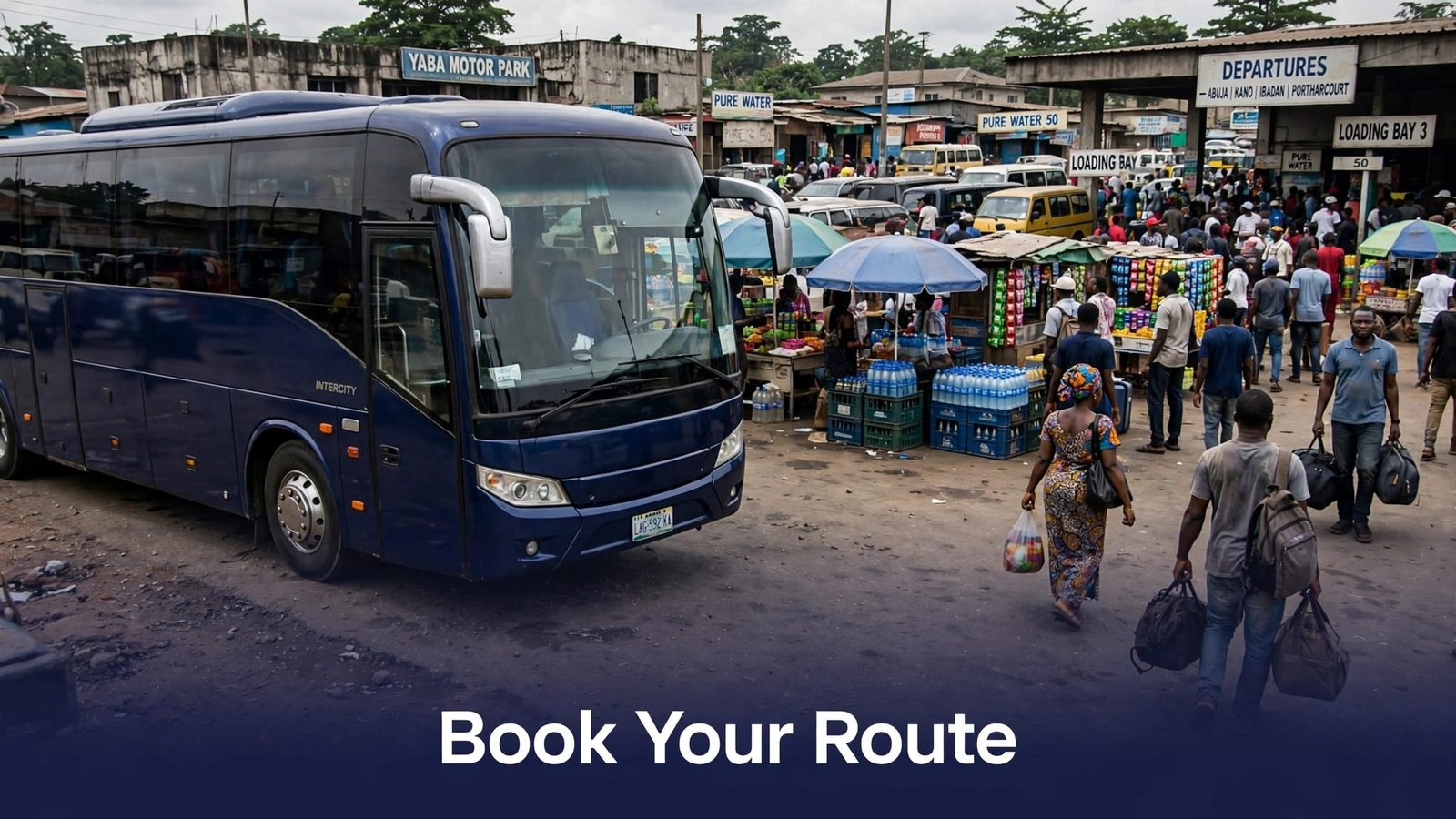
| Mainland districts (Yaba, Oshodi, Ikotun, Agege) | Markets, local food, transport hubs, real city life | The UK advisory singles out the mainland for higher crime, so go by day, go with a local, and carry less |
Keep your hotel close to the days you’ve planned. A 20-minute midday drive can pass an hour at rush hour, and moving unfamiliar roads after dark is where most mistakes happen. If you’re still comparing stays, our guide to hotels in Ikeja covers airport-side properties, cheap hotels in Ikoyi covers the lower-priced end of the island, and the accessible hotels guide explains how to confirm a room’s actual features in writing.
Confirm the security setup before you book. Ask about a manned gate, a working perimeter and whether staff log visitors. A cheap rate in an unsecured building is the wrong saving.
For the fuller comparison, our guide to the safest areas in Lagos for visitors sets out nine districts side by side, with what each suits and what to confirm before you pay a deposit.
How Do You Get From the Airport Safely?
First, sort out your terminal. Terminal 1 at Murtala Muhammed is closed while FAAN rebuilds it, a project FAAN describes as 22 months, with CCECC as the executing contractor. International arrivals now go through Terminal 2. A temporary hall next to Terminal 2 handles departures only: about 8,000 square metres, 20 check-in counters and three boarding gates, sized for up to 1,500 passengers at peak.
So confirm your arrival and departure terminal with your airline, from your booking, before you arrange any pickup. Terminal numbers have moved this year, and a driver given the wrong one will charge you for the detour. Never tell a driver “Lagos airport.”
Second, skip the people who approach you. Use official counters inside the terminal or a transfer you confirmed through the operator’s own channel. For any problem inside the building, call FAAN’s toll-free line on 080 0000 3226, answered 24 hours a day, or the alternative number, 0201 330 3226.
Our Lagos airport arrival guide walks through terminals, rides and timing, Lagos airport safety tips covers verifying a ride at the curb, and airport ride-hailing rules explains why an available car in your app may not be allowed to collect you.
Which Transport Is Safest in Lagos?
Ride-hailing is the default for most visitors. The fare is fixed before you enter, the trip is recorded, and you have a trail if something goes wrong. Airport taxi counters work well when your phone is dead or you land late, as long as you pay inside at a branded desk. BRT buses run fixed fares on dedicated corridors and suit daylight trips with little luggage. Yellow danfo buses are cheap and chaotic, and I’d skip them on a first visit.
Both major apps publish safety tools you should know before your first ride.
| Feature | Uber in Nigeria | Bolt in Nigeria |
|---|---|---|
| Emergency in app | Safety Toolkit rolled out from June 2026, reached through the shield icon on the trip map. Uber’s Nigeria safety page says riders can press an emergency button to call for police assistance | Emergency Assist alerts emergency services or private security partners, and Bolt’s safety team follows up |
| Trip sharing | Up to five Trusted Contacts, with prompts to share trip details on each ride | Share Trip sends live location to friends or family, and Trusted Contact launched in November 2026 |
| Driver checks | Uber’s Nigeria safety page describes driver screening and vehicle checks | Bolt describes check-in requirements and follow-up checks on driver accounts |
Neither company guarantees a response time in Lagos, so treat these tools as backup, not a plan.
The Ten-Second Vehicle Check Before Every Ride
Run this before any door opens.
- Match the plate number to what the app shows.
- Match the driver’s name and photo to the person at your window.
- Match the colour and model to the booking.
If any of the three is off, cancel in the app and request another car. Don’t debate it at the roadside. A genuine driver will wait a moment; an impostor will rush you.
One more app habit helps: send your live trip to someone at home on the first ride of the day. It costs a tap and covers the gaps.
What Is “One Chance” and How Do You Avoid It?
“One chance” is the local name for a robbery that starts as a shared ride. A private car or bus picks up a passenger, then accomplices inside take the person’s belongings, sometimes far from where they boarded.
In June 2025, the Lagos State Police Command said its daily situation reports showed one-chance robberies resurfacing in Oworonshoki, Alapere, Ogudu and Ketu, and said it would increase checks in those areas. That notice doesn’t map today’s routes, and it doesn’t name the operators working those roads now. Treat it as a reminder about method rather than a list of streets to memorise.
Avoidance is simple enough. Don’t board a private car or bus that stops for one passenger. Use the app, stick to licensed operators, and stay off unmarked buses you didn’t plan to take. If a vehicle leaves the route and stops early, get out in a public, lit place and call someone.
How Do You Protect Your Phone and Money?
Your phone is what people watch. Reported incidents include snatching through open windows in slow traffic, including on bridges, and grabbing from passing motorcycles. Balogun Market is named in travel-safety sources as a crowded place to take care.
So keep the phone out of your hand near a car window. Don’t scroll at a red light with the window down. Keep it in a front pocket or zipped bag in markets, and step into a shop to check directions rather than standing on the kerb.
Split your cash the way you’d split keys. One card and a small stack of notes in your wallet, the rest in a hotel safe. Ask for small notes, because vendors rarely have change and a large bill held up in public draws attention. Cards work at hotels, restaurants and malls, but networks fail, so carry a backup.
Dress it down deliberately. Plain bag, no jewellery, no laptop case. You’re reducing attention, not hiding.
If your phone goes, don’t chase. Move to a safe place, call your hotel desk, then report to a police station and get a case number for your insurer. Our guide to Lagos airport lost property covers the reporting route if the loss happens at the airport, and saving your IMEI before you travel makes recovery possible.
Is Lagos Safe at Night?
It depends on where and how. Venues in Victoria Island, Ikoyi and Lekki are used to visitors, and the UK advisory’s warning about walking at night is the part to respect. Use a car you booked, and plan the ride home before your first drink.
If you want options near your base, our pick of bars in Lagos covers venues across Victoria Island and Ikeja, places to hang out in Ikeja suits earlier evenings, and Filmhouse Cinema Lekki is a low-risk way to spend one, once you’ve confirmed showtimes on Filmhouse’s own channel.
Two rules hold on the mainland. Go by day, and go with someone who knows the area.
Is Lagos Safe for Women Travelling Alone?
It’s manageable with the rules tightened, not a place to avoid. Stay in Victoria Island, Ikoyi, Lekki or Ikeja GRA, use ride-hailing with a matched plate, and share your live trip with someone. Tell the front desk where you’re going, and ask for the car to come inside the gate rather than wait on the road.
Solo travel is where small disciplines pay. Keep arrivals in daylight, book the return ride before evening plans, and don’t accept a drink you didn’t watch poured. If a driver asks where you’re staying, keep it vague.
Is Lagos Safe for White Tourists and Solo Travellers?
The advisories don’t rate cities by ethnicity, so there’s no official answer to give you. What exists is practical: visible foreignness draws attention and inflates quoted prices. That’s a friction problem, not a violence problem.
Handle it the way locals handle a stranger’s quote. Use a ride-hailing app so the price isn’t negotiable at the roadside, buy from shops with marked prices, and let a hotel or a Nigerian contact confirm the going rate before you commit to a tour or a driver. For a US visitor reading the Level 3 rating, it means the same as above: a country-level warning, with Lagos absent from the higher-risk list.
Are Lagos Beaches and Boat Trips Safe?
Reach the beaches by road and most of the question disappears. If you cross water, the rules come from LASWA, the state waterways regulator, and they are stricter than most visitors expect. Every passenger and crew member must wear a life jacket for the whole journey, not just carry one on board.
LASWA also restricts commercial and private boat operations to daylight hours, and restated that ban in January 2026 ahead of a beach event, citing poor visibility and navigational hazards. Its January advisory said patrols would increase with the National Inland Waterways Authority, and that offenders face legal consequences.
So refuse a boat that can’t produce a usable jacket for every passenger. Confirm whether the fare is per person or per boat, and whether it covers the return, because quoted prices vary by jetty. Plan the crossing so you’re back before dark rather than arguing about it at the water.
For the road-accessible options, see our guides to private beaches in Lagos, names of beaches with locations, and the fuller Lagos beaches guide on access and safety.
Entry Rules, Yellow Fever and Travel Insurance
Three documents decide whether your trip starts smoothly. Check them in this order, before you pay for anything else.
Yellow fever certificate. Nigeria requires a yellow fever vaccination certificate for entry and exit under the International Health Regulations. The reported exemptions are infants under 9 months and adults over 60. Carry the original card, because airlines may check at boarding. Under WHO guidance, a valid certificate lasts a lifetime, so an older card isn’t automatically out of date.
Visa. Nigeria Immigration Service lists a Tourism Visa F5A: single entry, 30-day stay, 90-day validity from issue, applied for online. Don’t plan on a tourist visa at the airport, because reported changes ended visa on arrival in August 2025. Print the approval letter and carry it.
Passport. Six months of validity beyond arrival, and a blank page for the stamp.
Then buy travel insurance you actually read. US travel advice notes inconsistent availability of health care in Nigeria, which is the reason to check medical cover, evacuation limits and exclusions for pre-existing conditions rather than the price alone. If your policy needs a police report for a theft claim, get the report number the same day.
Travel Health Pro’s Nigeria page covers vaccinations, and the Nigeria Immigration Service visa page is the source for the current route. For planning costs and routes across the country, start with our Nigeria travel guide.
Emergency Numbers in Lagos and What to Expect
Save these before you land. A phone with a dead battery helps nobody, so carry a power bank.
| Number | Listed by | Use it for |
|---|---|---|
| 112 or 767 | LASEMA, Lagos State Emergency Management Agency, described as toll-free | Emergencies needing Lagos State response |
| 122 | Federal Road Safety Corps, toll-free | Road traffic crashes |
| 080 0000 3226 | FAAN, toll-free, answered 24 hours a day. Alternative line 0201 330 3226 | Airport problems, terminal issues, passenger assistance |
| 0806 515 4338 or 0806 329 9264 | Lagos State Police Command control room, as given in its June 2025 one-chance statement | Police response, if you can’t reach 112 or 767 |
One caution. The available sources confirm 112 and 767 as LASEMA lines, not as a guaranteed police dispatch service, and they don’t promise a response time. Police numbers circulate on unofficial directories and change, so confirm them with your hotel on arrival. If you can safely move to a hotel, a mall or an airport desk, do that instead of waiting at the roadside.
What Should You Do If Something Goes Wrong?
Work through it in order.
- Get to a safe place, then call. A hotel front desk knows the area and can send staff or a trusted driver.
- Call 112 or 767 for anything urgent, and give the exact location, the time and what was taken.
- Use a staffed desk at the airport. FAAN runs passenger assistance points, and its 24-hour line is 080 0000 3226.
- Contact your consulate for lost documents. Save the number before you fly. Our French consulate guide shows how Lagos consular offices differ from embassies in Abuja.
- Get a police report number the same day if you’ll claim on insurance, and keep every receipt and booking reference.
Frequently Asked Questions
Is Lagos safe for tourists right now?
Yes, with care. The UK, US and Canadian advisories all warn about crime in Nigeria, and none places Lagos in a do-not-travel category. Canada excepts Lagos from its countrywide advice but asks for a high degree of caution. Plan transport, area and money in advance.
Is Lagos safe for Americans?
The US advisory is Level 3, Reconsider Travel, for Nigeria as a whole, dated June 12, 2026. Lagos isn’t among the listed higher-risk areas. Standard precautions apply: app-based rides, no late-night walking, and limited cash and jewellery on show.
Is Lagos safe at night?
In Victoria Island, Ikoyi and Lekki, yes with a booked ride and a plan. Advisories warn about walking at night and about crime on the mainland. Book your return trip before you go out, and don’t walk an isolated street after midnight.
Can I drink the tap water in Lagos?
Don’t treat tap water as drinking water. Stick to bottled or filtered water, check the seal, and be careful with ice from street vendors if your stomach is sensitive. Carry your own bottle and refill from sealed sources.
Should I carry cash or use cards?
Carry both. Cards work at hotels, malls and established restaurants, but networks fail and many smaller vendors want cash. Keep small notes in one pocket and a backup card somewhere separate. Transfer apps are widely used at larger venues.
Is it safe to use public buses?
BRT buses are the safer public option, with fixed fares and dedicated lanes, and they suit daylight trips. Avoid unmarked buses, and never board a vehicle that stops for one passenger.
Do I need a local SIM card?
Yes, for practical reasons. Ride-hailing, hotel confirmations and bookings all run smoother on a Nigerian number. Buy from an official carrier shop at the airport or in a mall, and register the SIM properly, since unregistered lines get cut off.
How do I avoid getting overcharged by drivers?
Lock the fare before the trip, not after. Ride-hailing apps fix the price in advance. If you must use a regular taxi, agree the full price, including tolls and waiting time, before you enter. Looking unsure is what doubles the price.
Plan Your Trip in Six Steps
Lagos rewards preparation, and none of these steps takes long.
- Check your own government’s advisory on the day you book, and again before you fly.
- Confirm your terminal, visa and yellow fever certificate with your airline and Nigeria Immigration Service.
- Book a hotel in Victoria Island, Ikoyi, Lekki or Ikeja GRA, and ask about gate security.
- Arrange airport transport through an official desk or a verified operator.
- Save 112, 767, FAAN’s 080 0000 3226 and your consulate’s number.
- Share your itinerary with someone at home and keep your phone charged.
Do those six things and Lagos loses most of its surprises. The difference between a smooth trip and a stressful one is rarely luck. It’s the ten seconds you spend checking a plate number, and the extra hour you leave for the airport road.
For the transport decisions in detail, read our Lagos transportation guide next. If you’re flying in from the south-east, the Uyo to Lagos flights guide covers arrival logistics.