The best Lagos day trips include Lekki Conservation Centre, Ilashe Beach, Badagry, and Epe. Each one sits within a few hours of the city, depending on traffic.
That last part is the catch. A trip that takes 40 minutes at noon can swallow two hours at rush hour, especially on the Lekki-Epe or Ikorodu corridors. So timing matters as much as the destination. You need to match your departure time and transport option to where you’re going.
This guide helps you do exactly that. Whether you’re a tourist with one free day, a business traveler squeezing in a weekend escape, or a resident who wants out of the city, you’ll find a trip that fits your budget and schedule. Here’s how to pick the right one, and when to leave home to make it work.
Key Takeaways
- The best Lagos day trips include Lekki Conservation Centre, Ilashe Beach, Badagry, and Epe, all reachable within a few hours.
- A 40-minute drive at noon can take two hours at rush hour, so your departure time matters as much as your destination.
- Leave home between 4:30 a.m. and 5:15 a.m. to clear Lagos before the morning peak builds.
- Match the transport option to the trip: BRT and buses suit corridor routes, while ride-hailing works better for door-to-door trips with luggage.
- Confirm current fares, schedules, and terminals with the operator on travel day, since old screenshots go stale fast.
Best Lagos Day Trips for Every Kind of Traveler
Lagos has more day trip options than most people realize. You can walk through a forest canopy, lie on a private beach, stand inside Nigeria’s oldest storeyed building, or watch fishermen unload the morning catch, all without leaving the state or crossing far beyond it. The trick is knowing which trip matches your energy, budget, and patience for traffic.
Here’s a quick comparison before we break each option down.
| Destination | Travel time from central Lagos | Best transport | What to expect |
|---|---|---|---|
| Lekki Conservation Centre | 1 to 2.5 hours | Ride-hailing or taxi | Canopy walk, monkeys, quiet trails |
| La Campagne Tropicana | 2 to 3 hours via Lekki-Epe | Private car or ride-hailing | Beach meets bush, resort facilities |
| Ilashe | 30 to 60 minutes by boat | Private boat from VI or Ikoyi | Exclusive beach clubs, calm water |
| Elegushi Beach | 45 to 90 minutes | Ride-hailing | Lively public beach, food and music |
| Tarkwa Bay | 30 to 45 minutes by ferry | Ferry from CMS or Falomo | Family-friendly beach, swimmers’ paradise |
| Badagry | 2 to 4 hours | Private car or organized tour | Heritage sites, museums, old slave routes |
| Epe | 1.5 to 2.5 hours | Private car | Fish market, lagoon views, quiet streets |
Treat those times as planning ranges, not promises. Rain, roadworks, or a 5 p.m. return can stretch every one of them.
Nature and City Escapes: Lekki Conservation Centre and La Campagne Tropicana
The Lekki Conservation Centre gives you the closest thing to a safari inside Lagos. Its canopy walkway hangs above the forest floor and claims the title of the longest in Africa. You pay a modest gate fee, cross swaying bridges above the trees, and spot monkeys before you’re back in traffic. Go on a weekday if you can. Weekends draw big crowds and long queues at the walkway entrance.
La Campagne Tropicana sits further out, near Ibeju-Lekki, where the forest meets the Atlantic. It’s part beach, part bush resort, with palm-lined paths and a slower rhythm than the city beaches. Most visitors make it a full afternoon, sometimes an overnight.
Both trips live on the Lekki corridor, and that’s your real challenge. The Lekki-Epe expressway clogs badly by 6:30 a.m. on weekdays and stays heavy through the evening peak. Leave before the rush, or accept that a “quick” nature escape could cost you four hours on the road. A ride-hailing trip from Victoria Island or Ikoyi is the simplest option if you don’t have a car.
Beach Day Trips: Ilashe, Elegushi, and Tarkwa Bay
Not all Lagos beaches ask the same of you. The right one depends on your budget, how much stuff you’re carrying, and how much crowd you can tolerate.
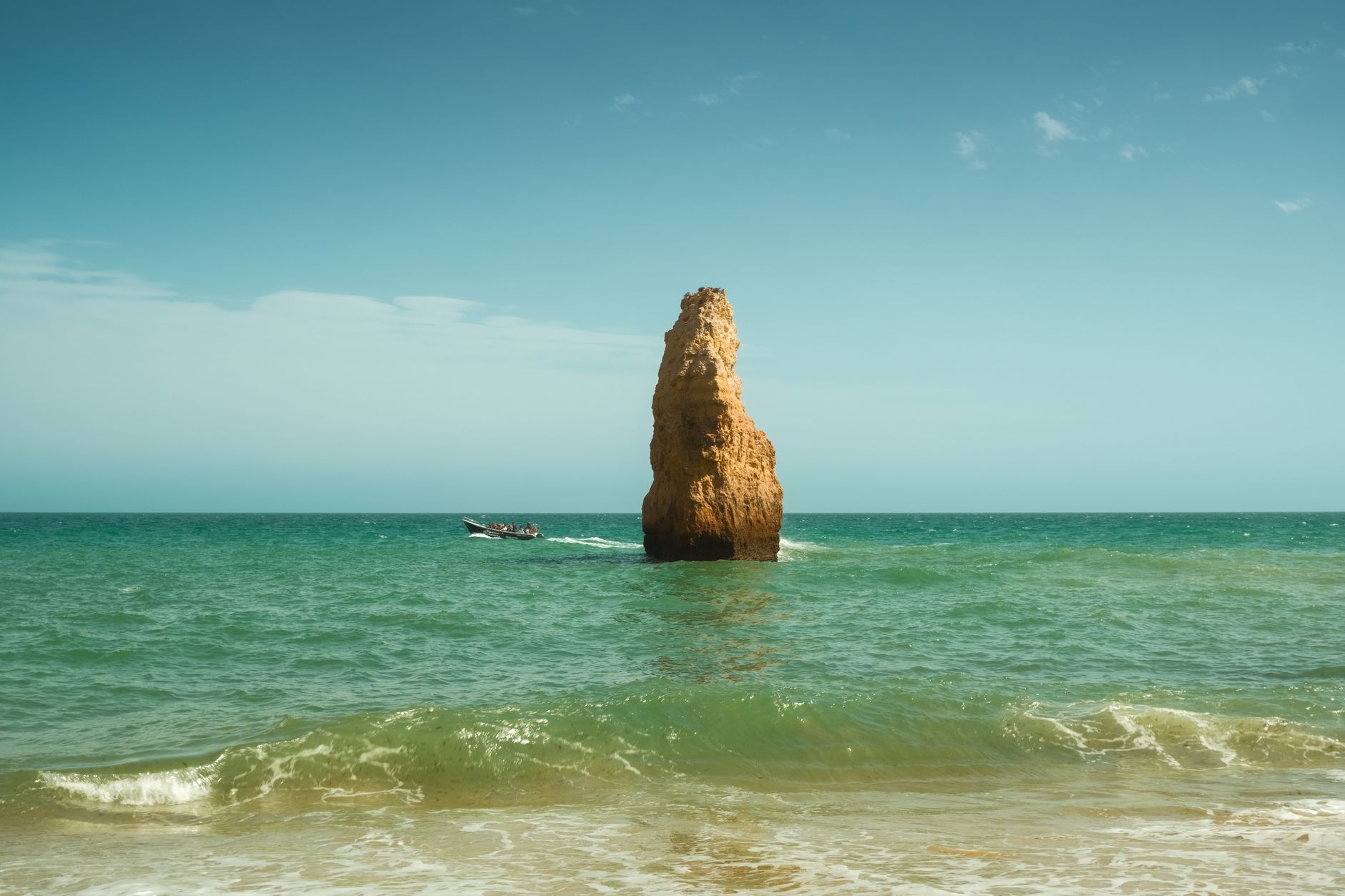
Photo by Breno Barison
Ilashe is the premium pick. The beach clubs on this peninsula sit across the water from Victoria Island, so you reach them by boat, not by road. That short ride filters out the crowds and gives you clean sand and calm water. The trade-off is cost: boat charters and club bookings add up, and some clubs have minimum spend rules. It suits groups celebrating something or couples who want privacy.
Elegushi is the easiest beach day in Lagos. It’s on the Lekki axis, reachable by road, and entrance fees stay low. Expect music, suya stands, and plenty of people, especially on Sundays. Carry light luggage and bring cash for vendors.
Tarkwa Bay sits on an island, so you’ll catch a ferry from the CMS or Falomo jetty. The crossing takes under an hour, and the beach is wide and family-friendly. Local boat operators also run the route, so confirm the return time before you commit. Sea conditions change, and the last boats don’t wait for stragglers.
History and Culture: Badagry Heritage Town
Badagry wears its history openly. The town was a major departure point in the transatlantic slave trade, and the sites there don’t soften that story. You can visit the Badagry Heritage Museum, walk the old slave routes, and see the mile-long chain memorial along the coast.
One stop surprises almost every first-time visitor: Nigeria’s first storeyed building, raised in 1845 by missionaries on the Marina waterfront. It still stands, and guides will walk you through it.
The honest warning is about distance. Badagry sits far west, and the Badagry Expressway can turn the drive into two to four hours depending on its condition and the traffic at Okokomaiko. This is a full-day commitment, not a morning outing. Leave by 6 a.m., hire a car or join an organized tour, and don’t schedule anything else that day. Most heritage sites close by late afternoon, so a late start can cost you the whole reason you went.
Quiet Getaways: Epe, Ijebu-Ode, and the Lagoon Route
When you want out of Lagos without a long haul, the Epe axis delivers. Epe is a lagoon town famous for its fish market, where smoked fish and fresh catch change hands from early morning. The lagoon scenery along the Lekki-Epe expressway is some of the calmest driving you’ll find leaving the city.
Road improvements have shortened the journey too. The Lekki-Epe corridor improvements and the ongoing rail expansion along that axis have chipped away at journey times, though Friday evenings still test your patience. Aim for an early or mid-morning departure and you’ll often make Epe in under two hours.
Push a little further and you reach Ijebu-Ode in Ogun State. It’s a proper old town with markets, royal history, and far fewer tourists than anything inside Lagos. The trip works well as a half-day loop: fish market in Epe, lunch, then home before the evening peak swallows the expressway.
The common thread across all these trips is simple. The farther you go, the less room you have for a late start. Pick your destination first, then protect your departure time like it’s part of the ticket price.
How to Get There: Choosing the Right Transport for Your Day Trip
There is no single “best” way to reach a Lagos day trip destination. The right choice depends on three things: how much luggage you carry, how many people are traveling, and where you’re going. A couple with beach bags heading to Ilashe needs a boat, not a bus. A solo traveler on a budget can mix a BRT ride with a short danfo connection and save real money. Here’s how to match the option to the trip.
When a Boat Beats the Road
Water is Lagos’ most underrated shortcut. For destinations like Tarkwa Bay and Ilashe, a boat is not just faster, it’s the only sensible way in. Both sit across the water from Victoria Island, so you can board at the Falomo or CMS jetties and reach the beach in 30 to 45 minutes. Driving around the lagoon, where roads even allow it, can take twice as long.
Ferries also win on cross-town trips. A water route can cut an hour or more off a journey that would crawl through mainland traffic. If your start and end points sit near a jetty, check the water option before you book a car.
Before you step aboard, do a few quick checks:
- Confirm the operator runs a regular scheduled service, not a one-off charter.
- Ask for the return time and last boat before you commit.
- Check that life jackets are available and actually worn.
- Agree on the fare before boarding, especially with private boat operators.
A little skepticism here saves you a stranded afternoon. Reputable jetties post operator details; if nothing is posted, ask around before you pay.
Budgeting Your Day Trip: What It Really Costs
The headline fare is only the first line of your budget. The real cost of a Lagos day trip stacks up in layers, and it helps to see them all before you leave home.
| Cost layer | What it covers | Rough guide |
|---|---|---|
| Getting to departure point | Ride-hailing, BRT, or danfo to the jetty or terminal | Varies by distance and traffic |
| Main transport | Boat charter, ferry fare, or fuel for a private car | Confirm with operator |
| Entry or gate fees | Beach clubs, conservation centre, heritage sites | Paid at the venue |
| Food and drinks | Meals, snacks, water for the day | Beach vendors charge more |
| Extras | Guide fees, boat hire at the site, tips | Optional but common |
| Delay buffer | Extra cash if traffic or breakdowns stretch the day | Always carry some |
That last row matters more than people expect. Lagos traffic doesn’t respect your plans, and a two-hour delay can mean an extra ride-hailing trip or a missed connection. Carry more cash than the trip should cost, not less.
Prices for boat charters, beach clubs, and entry fees change often, sometimes seasonally, sometimes weekly. Confirm current rates with the operator or venue a day before you travel. A quick call or WhatsApp message costs nothing and prevents the awkward moment of standing at a jetty with less money than the boat actually charges.
For a fuller breakdown of every option, from BRT fares to ride-hailing apps like Bolt and Uber, the Lagos transportation guide covers routes, terminals, and current payment methods in detail.
When to Leave: Beating Lagos Traffic on a Day Trip
Timing is the difference between a beach chair at 9 a.m. and a bumper at 9 a.m. A day trip from Lagos works only if your departure works. Get the timing right and the same journey that traps others for three hours takes you one.
The city’s peak windows are predictable. Weekday rush runs from about 6:30 a.m. to 9:30 a.m., then builds again from 4:30 p.m. to 8:00 p.m. Morning traffic flows toward the Island as commuters leave Ikeja, Yaba, and Surulere. Evening reverses the flow. If your return trip lands inside that second window, plan for it rather than hoping it won’t find you.
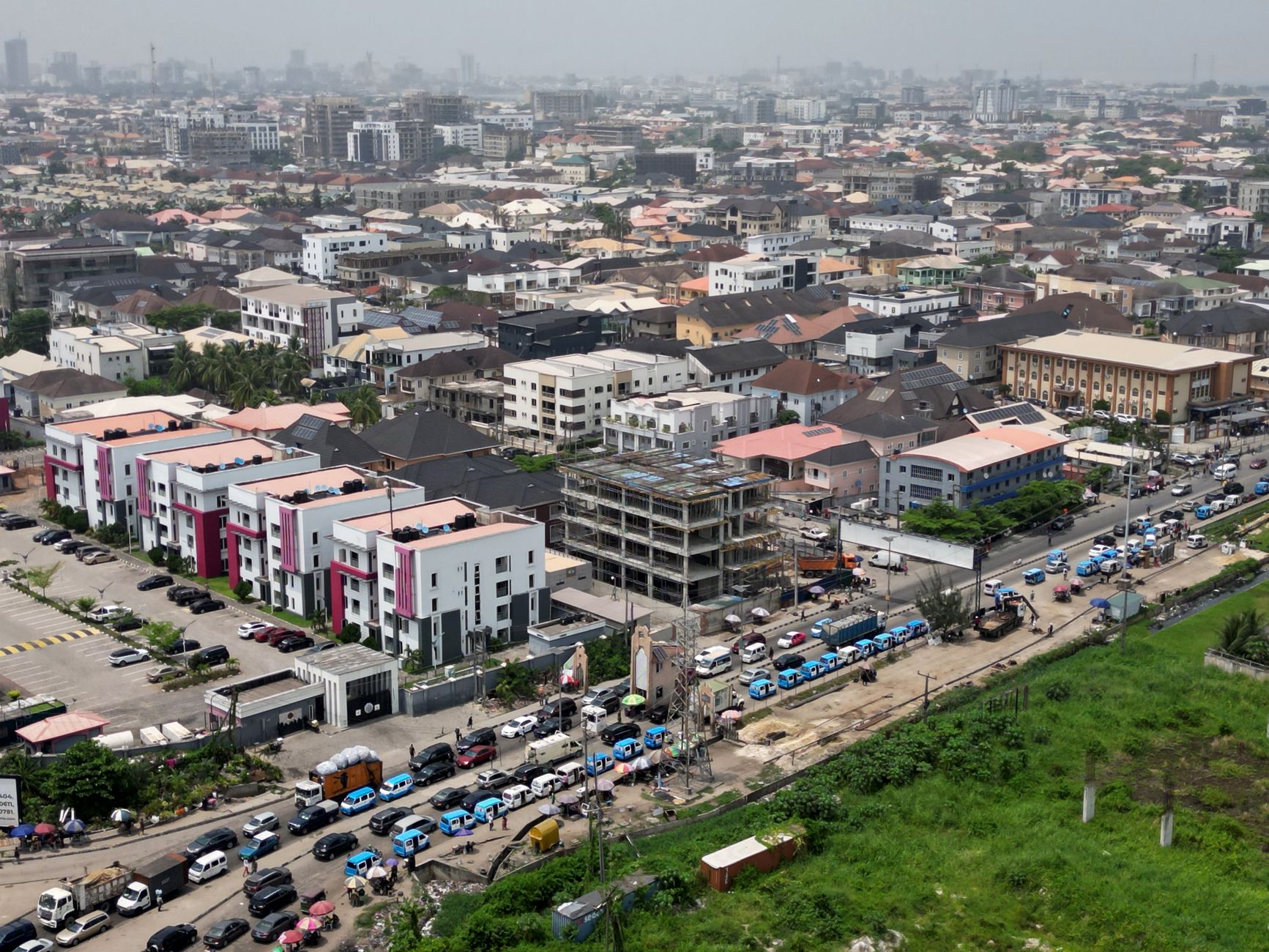
Photo by Taiwo Samson
So when should you actually leave? Two windows work best. Leaving home between 4:30 a.m. and 5:30 a.m. puts you on the expressway before the city wakes, and cooler morning weather makes early driving easier. If that feels brutal, the 10 a.m. to 1 p.m. off-peak stretch is the reliable alternative. It’s more predictable than 7:30 a.m., even if the road isn’t empty.
Rain changes everything. The rainy season runs from roughly May to October, and flash flooding can close lanes and add an hour or more to any trip. Check the weather before you leave, and add at least one extra hour when heavy rain starts.
What to Pack and Bring for a Day Out of the City
A smart Lagos day trip fits in one small bag. Before you head out, run through this quick list:
- Water and sunscreen, especially for beach trips under the open sun.
- Cash in small notes, since many beaches, markets, and vendors take little or no card payment.
- A power bank, because network coverage and charging points aren’t guaranteed outside the city.
- Light clothing and a compact umbrella for sudden rain.
- A valid ID, which some venues and operators ask for at entry.
Keep valuables in a bag that stays close to you, not loose in your pocket or a shared vehicle. Before you leave the house, confirm your pickup point or return ride with the driver or operator, and check live traffic one last time. A two-minute check beats a two-hour wait at the wrong jetty.
If your return trip crosses the evening peak, either move it earlier or add a full hour of buffer. Tight evening plans are the most common way a good day trip ends badly.
One more habit worth keeping: tell someone where you’re going and when you expect back. Lagos rewards the prepared, and on public holidays, when everyone leaves town at once, the prepared leave earliest.
Common Day Trip Mistakes (and How to Avoid Them)
Most Lagos day trips fail before you reach the road, not during it. The five mistakes below are the ones we see most often, and each one has a simple fix.
Planning Around Best-Case Travel Times
The map says Epe is 90 minutes away, so you leave at 8 a.m. for a 10 a.m. arrival. Then the Lekki-Epe corridor does what it does on a weekday morning. Suddenly your beach day starts at noon.
The fix: plan with the worst realistic time, not the best one. If the trip can take two hours, budget two and a half. Anything faster becomes a bonus.
Not Confirming the Venue Is Open
Some sites need booking ahead, others change hours, and a few close on weekdays without telling the internet. Arriving at a locked gate after two hours of traffic is a painful way to learn this.
The fix: call or message the venue the day before. Confirm opening hours, entry fees, and whether you need a reservation, especially for places like Ilashe beach clubs or the canopy walkway on a weekend.
Underestimating the Return Journey
The trip out is planned. The trip back is an afterthought. Then you leave at 4:30 p.m. and sit inside the evening peak with everyone else heading home.
The fix: set a return deadline before you leave the house. If your route crosses the evening rush, either leave earlier or add a full hour of buffer. Missing the last boat from Tarkwa Bay is worse than cutting a beach afternoon short.
Ignoring the Weather
Lagos rain does not negotiate. From May to October, flash flooding can close lanes and add an hour or more to any route, especially around Ajah, Mile 2, and Ojota.
The fix: check the forecast on the morning of travel, not the week before. If heavy rain is likely, shift the trip or pack for it, and add time for slow roads.
Budgeting Only the Base Fare
Entry fees, boat fares, food, and the ride home all add up. A “cheap” trip that ignores these leaves you borrowing cash at the jetty.
The fix: price the whole day, door to door, and carry more cash than the trip should cost. Vendors and small operators rarely take cards, so small notes matter more than exact budgeting.
Frequently Asked Questions
Day trips from Lagos raise the same questions again and again, especially around timing, transport, and money. Here are straight answers to the ones readers still have after planning their trip.
What is the best time to leave Lagos for a day trip?
Leave home between 4:30 a.m. and 5:15 a.m. if you can. That puts you past the worst of the city before the morning rush builds around 6:30 a.m. If that feels too early, the 10 a.m. to 1 p.m. window is your reliable backup.
How much should I budget for a Lagos day trip?
Price the whole day, not just the ticket. A realistic budget covers transport to your departure point, the main fare or fuel, entry fees, food, and a delay buffer. Beach trips like Ilashe cost more than public options like Elegushi because boat charters and club minimums stack up fast.
Do I need to book Lagos day trips in advance?
Some venues, yes. Beach clubs in Ilashe often need reservations, and private boat charters should be arranged a day ahead. Public beaches like Elegushi and Tarkwa Bay rarely need booking, but confirm ferry or boat return times before you commit.
Can I do a day trip during the rainy season?
You can, but plan around it. From May to October, flash flooding can close lanes and add an hour or more to any route. Check the forecast on the morning of travel, pack a compact umbrella, and add extra time for slow roads.
Is it safe to travel alone on a Lagos day trip?
Generally, yes, with basic habits. Keep valuables in a bag that stays close to you, share your location and return time with someone you trust, and verify any driver or boat operator before you pay. Ride-hailing apps that show the plate number and driver name are worth using on unfamiliar routes.
Which day trip is best for a first-time visitor to Lagos?
Start with Lekki Conservation Centre or Tarkwa Bay. Both sit close to the city, need little planning, and give you a real taste of what Lagos day trips can offer without a four-hour drive. Badagry is the better pick once you’re comfortable with longer journeys.
Conclusion
A good Lagos day trip comes down to three things working together: the right destination, the right transport, and the right departure time. Get all three aligned and even Badagry feels easy. Miss one and a simple beach day turns into four hours of traffic.
Pick one destination from the list, confirm the current fares and schedules with the operator a day before, and leave home early. That routine saves more stress than anything else you can do.
For deeper planning, the other LagosMove guides cover beaches, transport options, routes, and terminals across the city in detail.



Leave a Reply