Lagos cultural tours are guided or self-led journeys through the city’s history, art, music, and food. Think Freedom Park’s colonial-era grounds, Nike Art Gallery’s floors of textile and canvas, Badagry’s slave trade routes, and Makoko’s floating community on the lagoon.
Most visitors land in Lagos with a beach-and-traffic story already written. That’s a shame, because the city rewards anyone willing to look past both. Behind the congestion sits one of West Africa’s densest cultural scenes, and much of it fits into a well-planned day.
This guide walks you through the tour types worth your money, the destinations that anchor them, and what a good day actually costs. You’ll also find transport advice, safety notes, and booking tips so plans don’t fall apart on travel day.
Because in Lagos, the difference between a memorable tour and a wasted afternoon usually comes down to what you confirm before you leave home.
Key Takeaways
- Lagos cultural tours cover history, art, music, and food, from Freedom Park and Nike Art Gallery to Badagry and Makoko.
- Guided tours handle transport and access; self-led tours cost less but need your own planning.
- Most good day tours fit a modest budget, but confirm what the price covers before you pay.
- Lagos traffic can eat hours, so plan around it and book through a verified operator.
- Keep valuables close and confirm meeting points the day before.
Why Lagos Cultural Tours Deserve a Spot on Your Itinerary
Lagos is not one city. It’s a layered mix of Yoruba heritage, colonial-era architecture, the Afrobeat legacy Fela Kuti left behind, and a contemporary art scene that keeps outgrowing its galleries. A cultural tour is how you see all of that in one trip, instead of drifting between business districts and wondering what the fuss is about. If you only visit the parts of Lagos with elevators, you’ll leave with half the story.
What a Cultural Tour in Lagos Usually Includes
Most tours follow a similar shape. You get a local guide who explains what you’re looking at, plus a handful of stops chosen around a theme. A typical half-day or full-day itinerary might cover:
- A museum or historic site, such as Freedom Park on Lagos Island or the Badagry slave route.
- An art stop, like Nike Art Gallery in Lekki or a gallery around Victoria Island.
- A market walk, often Balogun or Lekki Arts and Crafts, where you can see (and haggle for) textiles, carvings, and beadwork.
- A food tasting, from suya spots to local joints serving amala or peppered fish.
Tours usually run half a day to a full day. Prices vary by operator and what the package covers, so confirm the inclusions before you pay.
Guided Tours vs Exploring on Your Own
Both options work. The honest question is how much planning you want to do yourself.
A guided tour saves you time and gives you context you won’t get from a signboard. Guides know which entrances to use, how long each stop takes, and how to dodge traffic between locations. That matters in Lagos, where a short map distance can swallow two hours.
Going self-guided costs less and gives you freedom. If you’re a confident traveler, ride-hailing apps like Bolt or Uber make it manageable, since you can move door to door without negotiating fares. You’ll just need to plan your own route and confirm opening hours yourself.
Here’s a quick way to decide:
| Your situation | Better option |
|---|---|
| First visit to Lagos | Guided tour |
| Visiting Makoko or Badagry | Guided tour |
| Comfortable with ride-hailing, limited time budget | Self-guided |
| Returning visitor with specific interests | Self-guided |
For first-timers, book a guide. For neighborhoods like Makoko or Badagry, don’t go it alone at all. Both involve informal access arrangements and local negotiation that a guide handles far better than a stranger with a phone.
The Best Cultural and Historical Sites to Visit in Lagos
Lagos rewards you with depth once you know where to look. These five sites carry the city’s history, art, and living culture, and each one works differently in a tour itinerary. Hours and entry fees change often, so confirm current details with each venue before you set out.
Freedom Park and the Legacy of Broad Street Prison
Freedom Park sits on Broad Street, Lagos Island, on the grounds of a former colonial prison. The old cells and wards are still there, now surrounded by gardens, a museum, and open-air event spaces. It’s a strange, powerful contrast: a place built to hold people now hosts concerts and festivals.
The park is also the heart of Fela Kuti country, sitting near the streets where the Afrobeat legend’s story unfolded. Live music nights draw big local crowds, usually on weekends. Go in the evening if you want the atmosphere; go in the afternoon if you want to actually study the museum.
Nike Art Gallery and Lekki’s Thriving Art Scene
Nike Art Gallery in Lekki is one of the largest art spaces in Nigeria, founded by the artist Nike Davies-Okundaye. Five floors of paintings, textiles, adire cloth, beadwork, and sculpture fill the building, and the artists working on-site will often talk you through their pieces.
Give yourself several hours here. Lovers of contemporary Nigerian art should also check the galleries scattered around Victoria Island and Ikoyi, many of which rotate exhibitions monthly. Admission is typically free, and most pieces are for sale if you want to ship something home.
Badagry Heritage Town and the Slave Trade Route
Badagry sits on the western edge of Lagos State, close to the border with Benin Republic, and it takes most of a day from central Lagos because of the distance. Plan an early start.
The trip covers heavy history: the Badagry Heritage Museum, the walk along the old slave route, and the Point of No Return, where enslaved people were shipped out. A short boat ride to Gberefun Island completes the route. Go with a guide; access arrangements are informal and local knowledge makes the visit coherent.
Makoko Floating Community and the Lagos Lagoon
Makoko is a stilt village on the Lagos Lagoon, home to tens of thousands of people who live and work on the water. Canoe tours glide through the “Venice of Lagos,” past schools, fish-drying racks, and homes balanced on wooden posts.
Two rules matter here. First, go with a respected local guide who has real standing in the community. Second, remember these are people’s homes, not a zoo. Ask before photographing anyone and let residents set the tone.
Jazzhole, Terra Kulture, and Living Culture Spaces
Some Lagos culture happens indoors, over a book or a plate of food. Terra Kulture on Victoria Island combines a Nigerian art gallery, bookshop, theatre performances, and a restaurant serving local dishes. It’s a natural lunch stop on any cultural tour.
Jazzhole on Awolowo Road, Ikoyi, mixes a bookshop, coffee, art, and live jazz sessions in one relaxed space. Both spots make easy single-stop days when traffic makes a long route unrealistic.
Music, Food, and Festivals: Experiences Beyond the Museums
The best Lagos cultural tours don’t end at a gallery door. They spill into the street, where suya smoke mixes with live drums and the city’s soundtrack plays until late. This part of the guide covers the two experiences travelers remember most: the music scene Fela built, and the food markets Lagos runs on daily.
Walking in Fela Kuti’s Footsteps: Afrobeats Heritage
Start at the New Afrika Shrine in Ikeja, the venue Fela’s family built to carry his legacy forward. It’s part concert hall, part community space, and the Sunday live sessions draw some of the most devoted crowds in the city. Go with a group or a guide, keep valuables tucked away, and confirm the night’s lineup before you head out.
Time your visit around Felabration if you can. The weeklong festival honors Fela’s life and music every October, around the week of his birthday. Expect tribute concerts, street parties, panel talks, and guest artists from across Africa. Hotel rates in Ikeja rise that week, so book early.
Here’s the thing most visitors miss: Afrobeats is not history in Lagos. It’s the present tense. The sound Fela pioneered now fills nightclubs in Victoria Island, lounges in Lekki, and street corners everywhere. A cultural tour that ends at a museum only tells you half the story.
Photo by David Iloba
Tasting Lagos: Street Food and Local Dining Stops
Lagos food culture rewards the curious. Suya, the spicy grilled meat skewers sold at roadside stands, is the classic starting point. Ask your guide for a busy, high-turnover spot; a queue of locals is the best food safety signal you’ll get.
Pair your tasting with a market walk. Balogun Market on Lagos Island and the Lekki Arts and Crafts Market both work well on a cultural itinerary. Balogun is dense and loud, full of fabric, lace, and everyday Lagos commerce. Lekki is calmer and geared toward visitors hunting carvings, beadwork, and adire cloth.
A simple way to structure the day: walk the market first while energy is high, then settle into a nearby local kitchen for amala, jollof, or pepper soup. Haggle politely, ask before taking photos, and carry small notes. Confirm hours with your guide, since market schedules shift with weather and festivals.
How to Plan and Book Your Lagos Cultural Tour
A good cultural tour is won the night before, not on the road. Decide your route, confirm your pickup point, and verify the total price before any money moves. Lagos rewards the traveler who checks twice.
Getting Around: Transport Options for Tour Days
Lagos traffic is the silent line item in every itinerary. A trip that looks like 30 minutes on a map can take two hours during rush hour or heavy rain, so build your day around the corridor, not the wish.
You have three layers to work with. Ride-hailing apps like Bolt and Uber handle door-to-door trips best, especially when your stops sit off major roads or you’re carrying camera gear. If your route fits a fixed corridor, BRT buses along routes like Ikorodu Road to TBS cost far less and skip some traffic on dedicated lanes; you’ll need a funded Cowry Card, since cash payment is being phased out on regulated services. Ferries are the underrated third option, with routes connecting Ikorodu, Ikoyi, and Victoria Island that beat road traffic on crossings where a boat simply wins.
Two habits save tour days. Leave early, because a 7 a.m. start to Badagry is the difference between a full visit and a rushed one. And confirm the exact pickup point the day before. “Lagos Island” is not a meeting spot; get the street, the landmark, and the time your guide actually means.
Safety, Etiquette, and Common Mistakes to Avoid
Most problems on cultural tours are avoidable with a little restraint. The rules are simple, but people ignore them every week.
Dress modestly at heritage and religious sites. Covered shoulders and long trousers or skirts will never work against you, and some sites will turn you away otherwise. When photographing people, especially in Makoko or local markets, ask first. A smile and a gesture cost nothing; resentment lasts.
Keep valuables in hand luggage and carry small notes instead of flashing cash. Book only through an operator’s official website, verified line, or staffed office, never a personal account or a forwarded screenshot. If someone pressures you to pay immediately, walk away and call the operator directly.
The biggest planning mistake? Cramming Badagry into a half-day. The distance alone eats most of a day from central Lagos, so give it its own full day and start at dawn. Check fares and timetables on travel day rather than trusting an old screenshot, and leave buffer time whenever rain, holidays, or festivals are in the mix.
Frequently Asked Questions
Planning a cultural tour in Lagos usually leaves a few loose ends. Here are the questions readers ask most, answered straight.
How much should I budget for a Lagos cultural tour?
A guided half-day tour typically runs from around $30 to $80 per person, while full-day trips to Badagry or Makoko often cost more because of transport and boat fees. Self-guided days can cost far less, mostly covering rides, entry fees, and food. Always confirm what the quoted price covers before you pay.
What is the best time of year for cultural tours in Lagos?
The dry season, roughly November to March, gives you the most reliable travel days with less rain to slow traffic. If you want the city at its liveliest, plan around Felabration in October, though expect crowds and higher Ikeja hotel rates that week.
Are Lagos cultural tours safe for solo travelers?
Yes, with basic caution. Stick to guided tours for Makoko, Badagry, and evening music venues, keep valuables out of sight, and book only through an operator’s verified channel. Daytime visits to places like Nike Art Gallery or Terra Kulture are low-risk.
Can I visit Nike Art Gallery and Makoko on the same day?
You can, and many itineraries pair them since both sit on the Lekki side of the city. Start at Makoko in the cooler morning hours, then settle into the gallery’s five floors afterward. Leave buffer time between stops; lagoon access and traffic both move on their own schedule.
Do I need to book cultural tours in advance?
For guided tours, book at least a few days ahead, and earlier if your dates fall during Felabration, public holidays, or peak travel weeks. Self-guided stops usually need no booking, though calling venues to confirm hours is still smart. A tour that only says “Lagos pickup” is not a confirmed plan; get the exact meeting point and time in writing.
What should I wear on a cultural tour in Lagos?
Light, modest clothing works best. Covered shoulders and long trousers or skirts keep you welcome at heritage sites, mosques, and community areas like Makoko. Comfortable walking shoes matter more than style, since markets, old prison grounds, and lagoon paths are uneven. Carry a light layer for sudden rain and keep sandals for indoor stops only.
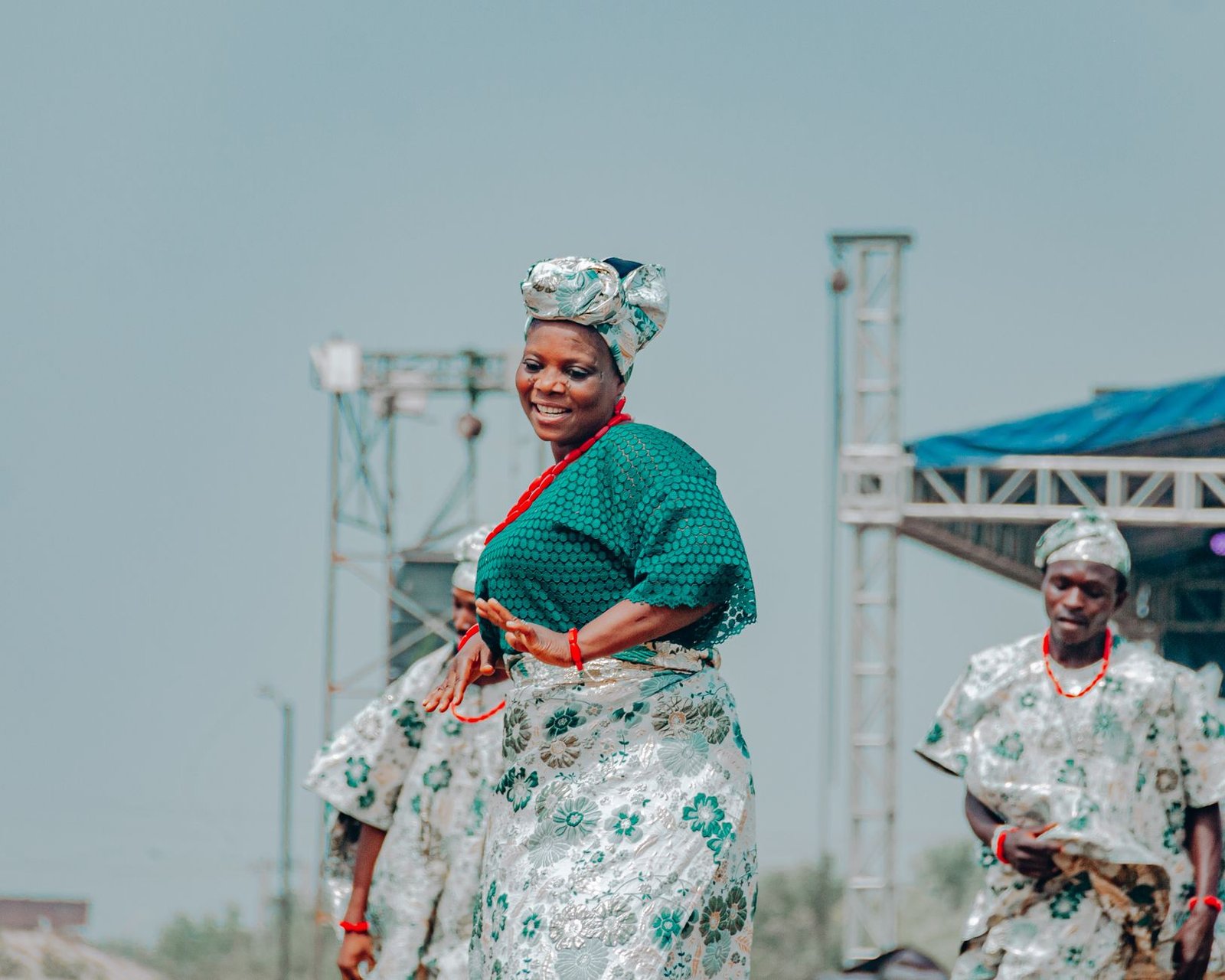
Photo by Victor Abobade
Conclusion
A good Lagos cultural tour is mostly a planning exercise. Book through an operator’s official website, app, or staffed office, and never send money to a personal account. Get the exact meeting point in writing, because “Lagos Island” is not a pickup location. Choose a guide for places like Makoko and Badagry, where local access and context make the visit work.
Give yourself room for traffic. A 7 a.m. start, buffer time between stops, and a travel-day check on fares and hours will save more of your tour than anything money can buy.
Lagos rewards curiosity. If you plan the full journey instead of just the first stop, the city will show you the parts most visitors never see.
For transport between stops, check our guides on getting around Lagos, BRT and rail routes, and ride-hailing tips. They pair well with any cultural itinerary.



Leave a Reply