Nigerian holidays like Christmas, Easter, Sallah, and New Year push Lagos transport fares and schedules out of their normal rhythm. A trip you take any Tuesday behaves differently on a holiday eve. We have tracked fare swings and terminal crowding across festive periods in Lagos, and the pattern repeats every year. This article shows what changes, when it changes, and how to plan around it.
Key Takeaways
- Regulated BRT fares stay fixed through holidays; LAMATA’s March 2026 table still lists Ikorodu to Mile 12 at ₦450.
- Interstate coach fares climb first, and cheaper seats sell out days before Christmas, Sallah, and Easter.
- Avoid leaving Lagos on the afternoon before a major holiday; Berger, Mile 2, Oshodi, and Ajah lock up first.
- Book several days early and ask for the full fare to your exact stop before boarding.
- Sundays and event days cut commuter traffic but also cut repair shops and fuel stations.
How Nigerian Holidays Rewire Lagos Transport Fares
Holiday demand splits Lagos transport into two systems. One system holds its price. The other responds to demand, and demand rises sharply when half the city travels at once.
Regulated buses keep the same fare on Christmas Eve as on a quiet Tuesday. LAMATA approved a 13% fare adjustment on BRT and standard BRI routes effective March 2, 2026, and that published table governs the price regardless of season. The listed examples include Ikorodu to Mile 12 at ₦450, Ikorodu to TBS at ₦960, Mile 2 to TBS at ₦680, and Oshodi to Tollgate at ₦970. Longer standard routes cost more, such as Berger to Ajah at ₦1,710 and Oshodi to Ajah at ₦1,320.
Unregulated services follow a different rule. Interstate coaches, danfos on non-fixed routes, taxis, and ride-hailing all raise prices when demand tightens. Interstate operators price by destination, vehicle type, travel date, and seat class, and festive demand sits at the top of that list. Lagos to Abuja by bus in 2026 runs roughly ₦32,000 to ₦59,000, with many listings between ₦42,000 and ₦47,000, and festive seasons can push fares up within days.
Fuel scarcity works alongside demand. When diesel or petrol prices jump, operators pass the cost to seat prices. Combine a fuel hike with Christmas week and the same seat can cost far more than it did in October.
Why BRT and Rail Fares Stay Flat While Everything Else Climbs
Distinguish regulated fares from unregulated fares before you budget. LAMATA sets, publishes, and approves fares for BRT and standard BRI routes. The operator cannot raise the price because the park is crowded. Rail works on a similar structure, with the Blue Line and Red Line using the Cowry Card, and reported examples such as ₦750 at peak for Marina to Mile 2 on the Blue Line. Reported rail figures change more often than BRT figures, so treat any number you have not confirmed at the station as an estimate.
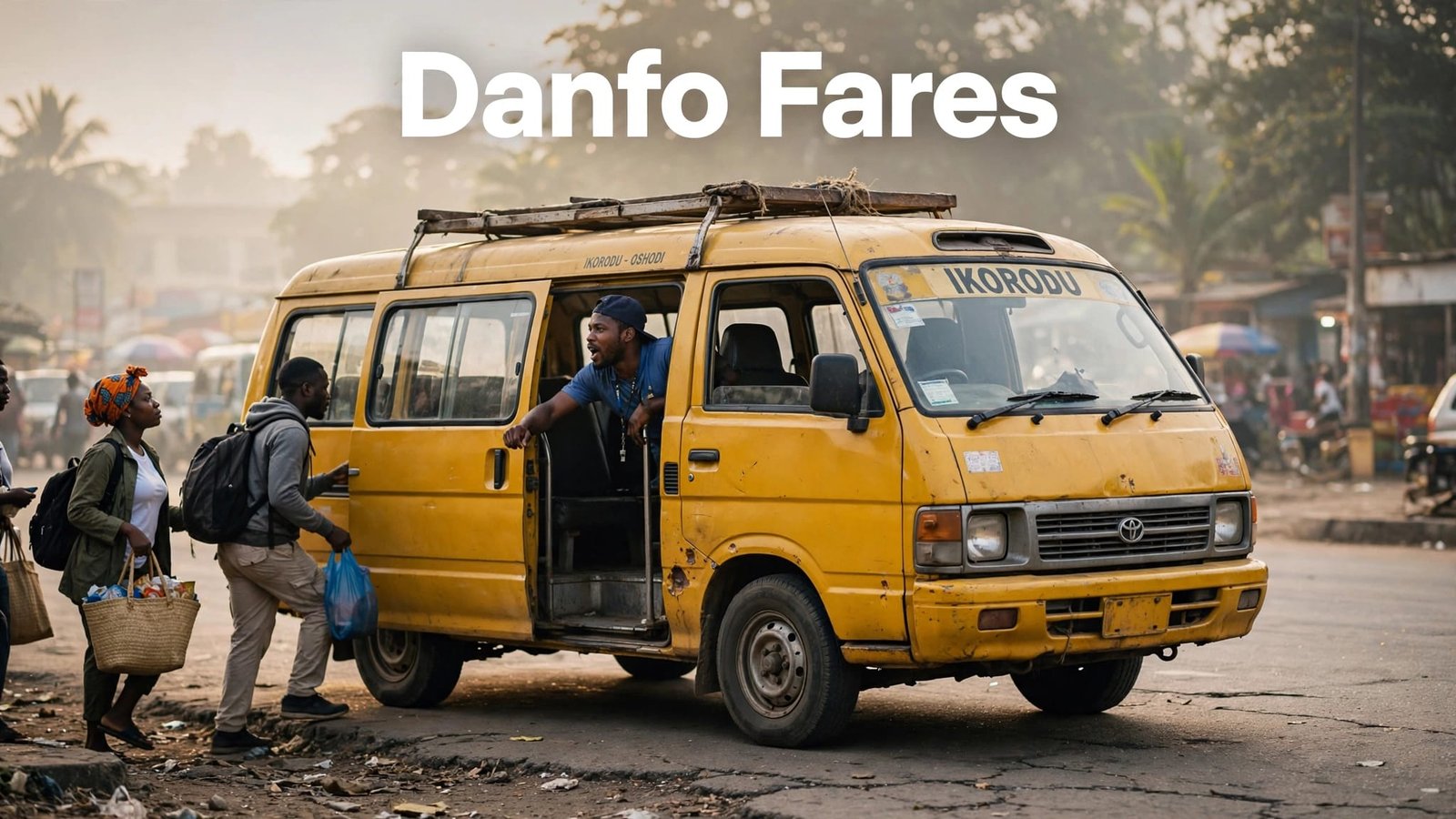
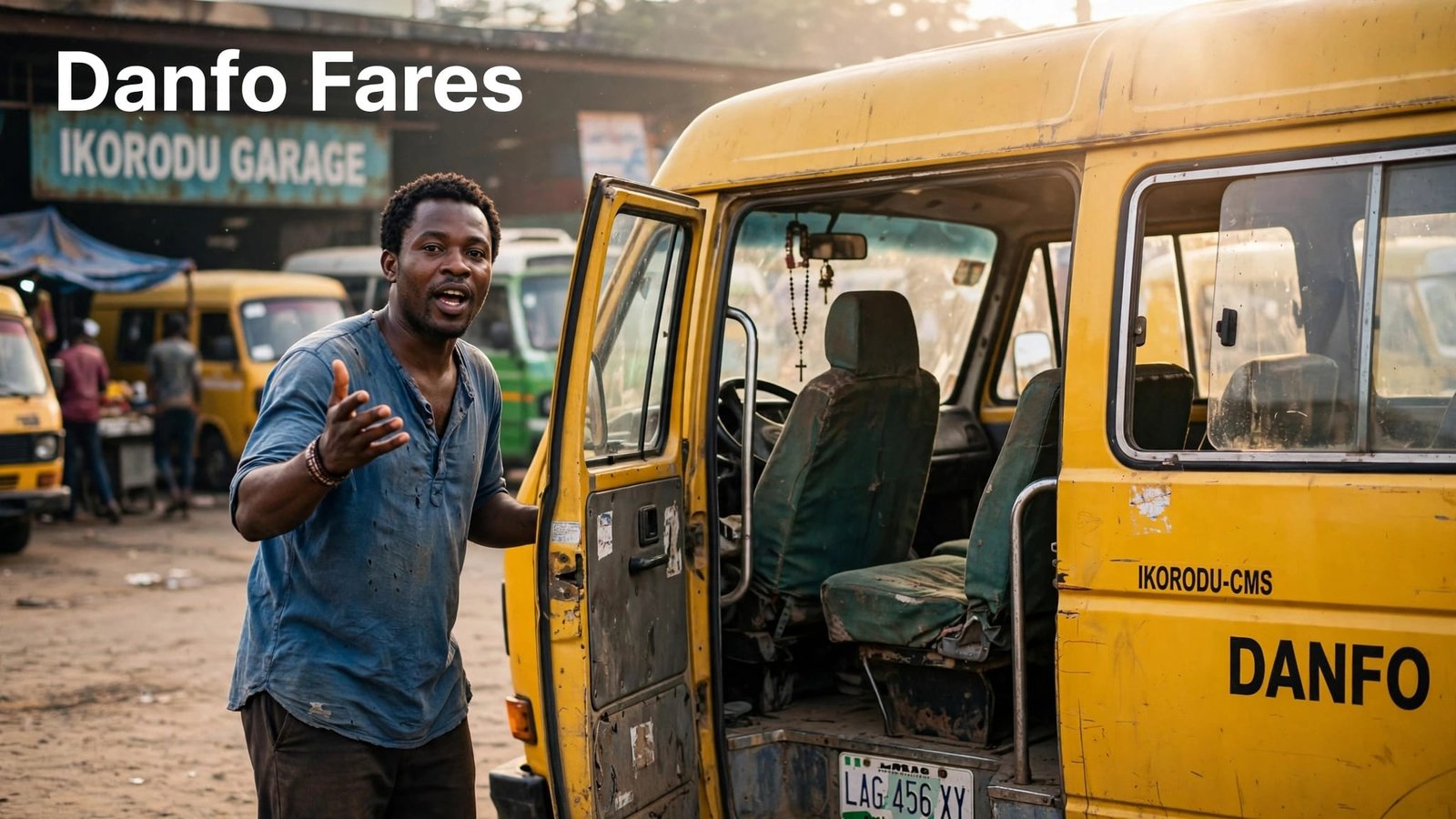
Unregulated fares have no published ceiling. A danfo driver facing a jammed route, a diverted road, or a scarce vehicle adjusts the fare on the spot. Ride-hailing apps use demand pricing, so a trip quote on Christmas Eve can differ sharply from the same route a week later.
Apply one rule to every fare list you see: a fare list without a date is a rumor with formatting. Confirm the current price at the park or through the operator’s approved channel before you budget around it.
How Interstate Bus Prices Spike Before Christmas, Sallah, and Easter
Interstate operators see festive demand coming, and so does every park. The sequence repeats before each major holiday:
- Seats sell out days in advance, and the cheapest seat classes go first.
- Operators add trips where demand justifies them, but added trips rarely hold prices down.
- Last-minute buyers pay the highest fares and take the worst departure times.
Timing drives the price as much as the season. A seat bought on a normal Tuesday costs less than the same seat on the Friday evening before a holiday, when half of Lagos is heading out of town. Book interstate tickets several days before Christmas, Easter, Sallah, and New Year, especially around public holidays that create long weekends.
Ask for the full fare to your exact stop before you enter the vehicle, not just the next major leg. A fare quoted “to the East” tells you nothing if your stop sits two towns past the operator’s terminus.
What Actually Happens to Schedules and Terminals During Festive Periods
Fares are only half the disruption. Movement itself changes when millions of people travel in the same window. Departure times shift, queues lengthen, and terminals that handle a normal load on Tuesday strain under holiday volume.
BRT and rail frequency can change on public holidays as commuter demand drops and staff rotas adjust. A corridor that runs a bus every few minutes on a workday may run a thinner service on Christmas Day or New Year’s Day. Interstate terminals run the opposite direction: Oshodi, Jibowu, Ojota, and Ajah swell with passengers, luggage piles up faster than it loads, and boarding order gets contested.
Arrive 60 to 90 minutes early for interstate departures during holidays. Normal reporting times assume normal queues. Holiday queues include people with extra bags, families boarding together, and passengers rebooking missed departures.
Expect heavier congestion around major hubs such as Oshodi, Ojota, CMS, TBS, Mile 12, and Berger. These areas connect several routes, so a delay on one road affects buses, taxis, and transfers around the entire hub.
Peak Traffic Days and the Corridors That Stop Moving
Certain corridors lock up before every major holiday, and the list rarely changes. Berger, Mile 2, Oshodi, Ajah, and Ikorodu Road carry the heaviest outbound volume, and each one connects multiple routes through the same choke point.
Follow two timing rules for trips out of Lagos:
- Avoid leaving Lagos on the afternoon before a major holiday. Departure volume peaks exactly when you plan to travel, and a two-hour delay at Berger is common.
- Start earlier if your route passes Berger, Mile 2, Oshodi, or Ajah. An early Saturday departure beats a Friday evening departure on most long weekends.
Overnight travel avoids some congestion, but treat it as a separate safety decision rather than an automatic solution. Check live traffic conditions before leaving, and adjust again during the rainy season, when road conditions can change within hours.
Weekends, Sundays, and Public Holidays: The Less Obvious Shifts
The counterintuitive days cause the most planning mistakes. A Sunday may show less commuter movement inside Lagos, yet fewer open repair shops and fuel stations make a breakdown harder to handle. The road is emptier, and less forgiving at the same time.
Event days create a different kind of closure. The September 2026 Victoria Island Carnival closed Ozumba Mbadiwe Avenue and Ahmadu Bello Way, which rerouted every bus and car that normally uses those roads. Event closures appear with little warning, so check live traffic before leaving, not the evening before.
Weekend travel still follows weekday mechanics with lighter traffic. Match the option to the trip: BRT and the Blue Line rail handle corridor trips cheaply, ferries win on water crossings such as Ikorodu to CMS in about 50 minutes, and ride-hailing suits door-to-door trips where a driver waits. Get a Cowry Card if you plan to use regulated services regularly.
How to Plan Your Holiday Journey Without Overpaying or Getting Stranded
Turn the pattern into a fixed planning sequence for the next festive period. The order matters: choose your route and operator first, then confirm the terminal, fare, and departure time through an approved channel.
Book interstate tickets days ahead of Christmas, Sallah, Easter, and New Year. Compare operators such as GIGM, GUO, ABC Transport, Chisco, Peace Mass Transit, and Cross Country by route, boarding point, vehicle type, and total cost rather than price alone. Confirm the exact terminal and gate, because the same company can load its Enugu coach from Jibowu and its Abuja bus from Ojota or Ajah.
Budget for the full journey, not only the ticket:
- Local transport to the departure terminal.
- The interstate fare, plus any booking or seat-selection fee.
- Luggage allowance and excess-baggage charges.
- Food, water, and a reserve for emergencies.
Keep your ticket, payment receipt, and booking reference saved until the journey ends. Carry water, basic food, and valuables in your hand luggage on long road trips. Verify the payment method the operator accepts before travel day, because some parks run cash at the counter and apps on the website.
Check the operator’s official channel on the morning of travel. Terminals change, departures shift, and added trips get announced there first.
Your Pre-Travel Checklist for Christmas, Sallah, and Long Weekends
Run this checklist before every festive departure:
- Confirm the fare, terminal, and gate several days ahead through the operator’s approved channel.
- Book the ticket early and save the booking reference and payment record offline.
- Avoid afternoon departures out of Lagos on the day before the holiday.
- Start earlier if the route passes Berger, Mile 2, Oshodi, or Ajah.
- Allow extra time for rain, roadworks, and terminal changes.
- Keep valuables, water, and food in hand luggage for the trip.
Ask for the full fare to your exact stop, confirm the luggage allowance, and agree on any informal taxi or danfo fare before boarding. These three questions prevent most fare disputes at the park.
Frequently Asked Questions
Do BRT fares increase during Christmas and Sallah?
No. LAMATA-regulated BRT and standard BRI fares stay at their published rates through holidays. The March 2026 fare table sets route-based prices, so Ikorodu to TBS remains ₦960 whether you travel in January or on Christmas Eve.
How far in advance should I book an interstate bus for the holidays?
Book several days before Christmas, Easter, Sallah, and New Year. Cheaper seats sell out first during demand spikes, and operators add trips without holding prices down. Booking early secures both the seat and the lower fare tier.
Why does a danfo fare change on a holiday when the BRT fare does not?
Danfo fares are unregulated and respond to demand, scarcity, and route conditions. BRT fares are set and published by LAMATA, so the operator cannot adjust them for a crowded day. The two systems price the same city differently.
Are Lagos trains and ferries running on public holidays?
Lagos Rail Mass Transit operates the Blue Line and Red Line corridors, and ferries such as the Ikorodu to CMS route run as services, but holiday schedules can differ from weekday timetables. Confirm current service hours for your travel date before planning around rail or water transport.
What is the worst day to travel out of Lagos before a holiday?
The afternoon before a major holiday is the worst window. Outbound volume peaks across Berger, Mile 2, Oshodi, and Ajah at the same time. An early Saturday departure gives you a faster and more predictable trip.
How much extra money should I carry when traveling during festive periods?
Budget beyond the ticket: local transport to the terminal, booking fees, excess luggage charges, food and water, and a reserve for delays. Holiday fare swings and longer journeys make a low advertised fare unreliable as a total cost estimate.
Conclusion
Holidays do not only add crowds. They change what you pay, when buses leave, and which roads still work. Regulated fares hold their published prices while interstate seats climb, and terminals that feel routine in October become battlegrounds in December.
Book early, confirm fares at the park or through the operator’s official channel, and leave earlier than feels necessary. That habit covers most of what Christmas, Sallah, Easter, and New Year throw at a Lagos journey. Plan the trip around the disruption, and the festive period stays manageable.

Leave a Reply