Last updated: October 24, 2026
By Sylvia Johnson, LagosMove Senior Editor
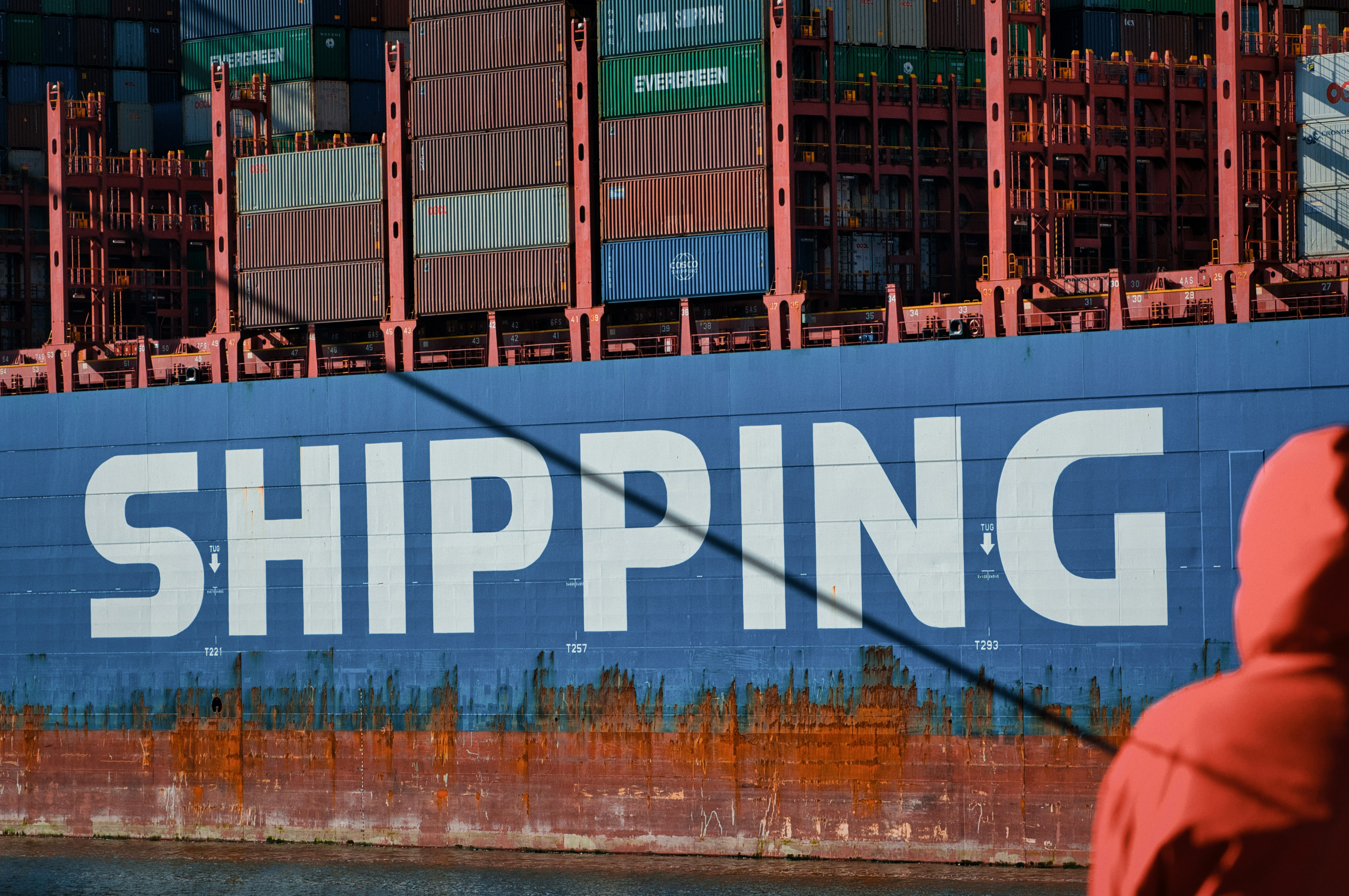
Freight and shipping in Lagos runs on three main modes. Sea freight moves containers through Apapa, Tin Can Island and Lekki Deep Sea Port. Air cargo moves urgent goods through Murtala Muhammed International Airport (MMIA). Road haulage moves bulk loads within Lagos and across Nigeria. Pick the mode by cargo size, deadline and budget. Then pick a provider that covers every stage you need.
The freight rate is rarely the full cost. Clearing, terminal charges, storage, trucking and final delivery can sit outside the quote. This guide shows how each option works, what to check, and how to verify a provider before you pay.
Key takeaways
- Sea freight suits containers and heavy loads. Air cargo suits urgent, light or high-value goods. Road haulage suits bulk moves within Nigeria.
- Lagos has three seaports. Confirm which port and terminal your cargo uses before you book.
- Ask for an itemized quote that separates freight, duty, terminal charges, storage, haulage and delivery.
- Confirm a freight forwarder’s registration with CRFFN, and use a licensed customs agent for imports.
- Plan the final delivery and empty container return early. Delays there cause demurrage and extra truck trips.
- Rates and port rules change often, so get every price and term in writing.
Freight and shipping options in Lagos at a glance
| Option | Best for | Lagos gateway | Speed | Check before booking |
|---|---|---|---|---|
| Sea freight (full container) | Heavy or high-volume imports and exports | Apapa, Tin Can Island, Lekki | Slowest | Terminal, free days, who clears |
| Sea freight (shared container) | Smaller importers who don’t fill a container | Port, then the consolidator’s warehouse | Slow, plus unloading time | Where goods are unloaded and who pays |
| Air cargo | Urgent, light or high-value goods | MMIA cargo terminals | Fastest | Chargeable weight and handling fees |
| Road haulage | Bulk loads within Nigeria | Port, factory or warehouse | Days for interstate trips | Truck type, call-up, unloading access |
| Waterway (barge) | Heavy cargo moving to or from the port | Lagos lagoon and jetties | Depends on route | Jetty access and onward truck |
| Courier or bus parcel | Documents and small cartons | Courier offices and bus terminals | Same day or next day | Coverage and ID for collection |
1. Sea freight: containers and heavy international cargo
Sea freight is usually the cheapest way to move large volumes across borders. It’s also the slowest. Lagos has three seaports: Lagos Port Complex in Apapa, Tin Can Island Port Complex, and Lekki Deep Sea Port. Our Lagos shipping port guide explains how each one works. The NIGERIAN PORTS AUTHORITY (NPA) lists port locations and terminal operators on its official website.
Lekki is growing fast. BUSINESSDAY reported in October 2026 that its 680-metre quay can berth two large container ships side by side. Not every shipping line calls at every port, though. Check the service your carrier uses in our guide to Lagos shipping lanes, or see our carrier pages for Maersk Nigeria and COSCO Shipping Lagos.
You have two main choices:
- Full container load (FCL): you book a whole container. It suits large shipments.
- Less than container load (LCL): your goods share a container with other cargo. It suits smaller importers, but ask where the container will be unloaded and who pays for that step.
Before you book, ask which terminal your cargo will land at and how many free days you get. Then ask who handles clearing and delivery. Our guides to Apapa customs clearing charges and Lagos port demurrage charges explain the costs that build up after arrival. Importing from Asia? Compare routes in our guide to the best shipping company from China to Nigeria.
2. Air cargo through MMIA
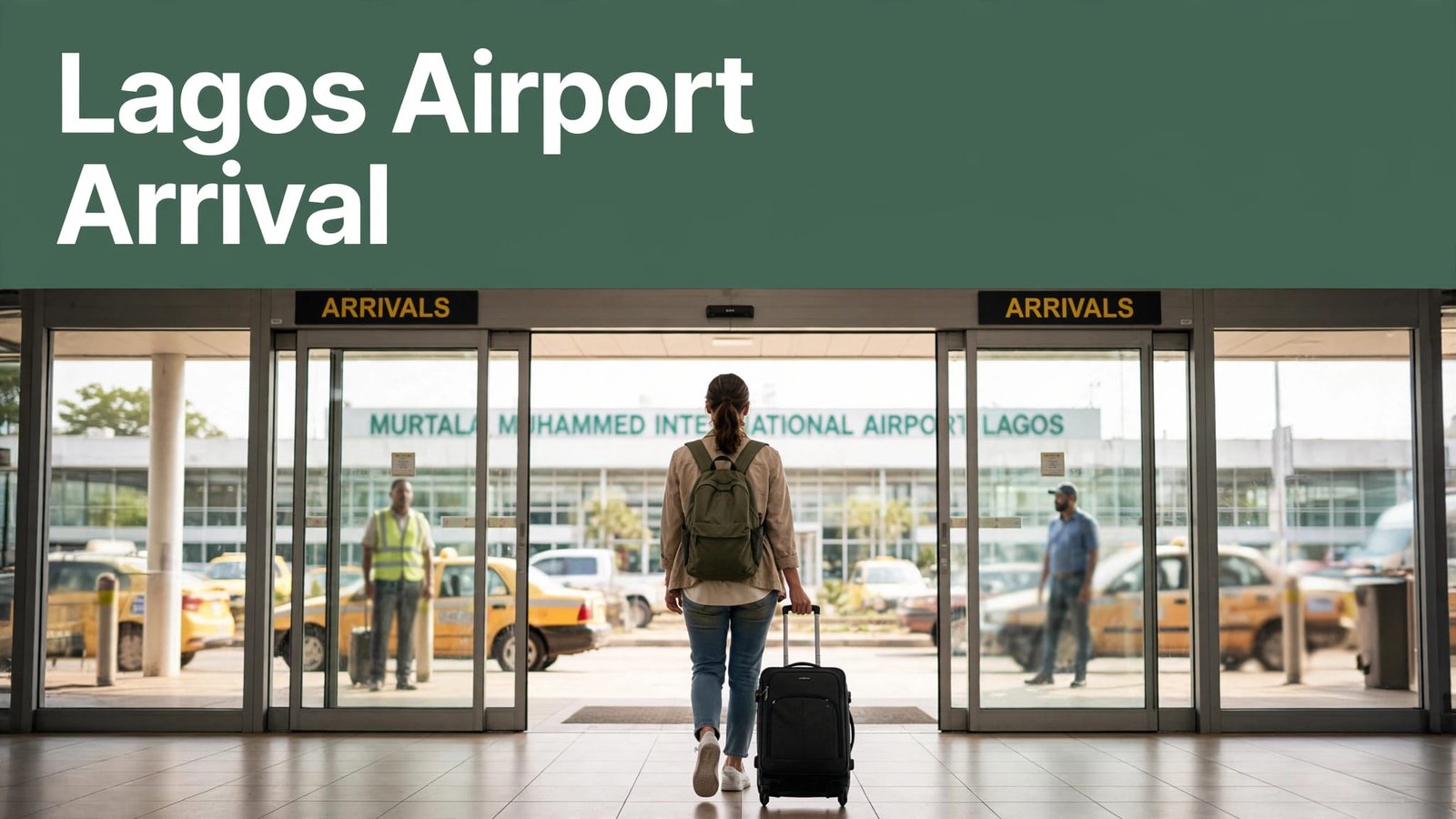
Air cargo suits urgent, light or high-value goods. It costs more than sea freight, so weigh the price against how much you gain by getting the goods sooner. Airlines usually charge by chargeable weight. That means the actual weight or the size-based (volumetric) weight, whichever is higher. Bulky but light cartons can cost more than you expect.
Local airport charges also apply. BUSINESSDAY reported that the FEDERAL AIRPORTS AUTHORITY OF NIGERIA (FAAN) and cargo agents at MMIA agreed on a revised cargo port charge of ₦15 per kg, up from ₦7. The report gave no start date, so ask your agent whether the new charge applies to your shipment. You can find airport information on the FAAN website.
Ask your provider which cargo terminal will handle your goods and who manages inspection. Also ask whether the quote ends at the airport or includes delivery. For route-specific advice, see our guides to cargo shipping from Lagos to the UAE and cargo shipping from Lagos to South Africa.
3. Road haulage: bulk loads in Lagos and across Nigeria
Road haulage moves pallets, building materials, machinery and bulk goods by truck, flatbed or tanker. Match the vehicle to your cargo. Then confirm loading, unloading access, route and delivery window. Compare providers in our guide to haulage companies in Lagos.
Trucks going into Lagos ports need an electronic call-up through the Eto system. THISDAY reported in July 2026 that since September 2025, an electronic barrier at the terminals only lets in trucks with a valid Eto ticket. A call-up alone doesn’t guarantee entry. The terminal must also be ready for your cargo. Our Lagos port truck call-up guide explains the booking steps and gate checks.
Special cargo needs special vehicles:
- Chilled or frozen goods: see refrigerated truck rental in Lagos and cold storage warehouses in Lagos.
- Vehicles: see car transport from Lagos to Abuja and shipping a car from Lagos to Eastern Nigeria.
- Running your own fleet: see how to lease a commercial truck in Lagos.
4. Waterway freight: barges for port-linked cargo
Barges can move heavy cargo across the lagoon and skip some road congestion near the ports. They still need a jetty at each end and usually a truck for the final leg. Our guide to waterway freight in Lagos explains when barges make sense.
5. Courier and bus parcels for small goods
You don’t need a freight company for a document or a small carton. A courier offers pickup, tracking and doorstep delivery. A bus parcel desk is often cheaper for interstate routes, but the receiver collects at the terminal. NIPOST also offers postal and parcel services through its official website.
Confirm the size and weight limits, packaging rules and coverage area. Ask what ID the receiver needs to collect. For more detail, read our guides to business logistics in Lagos, how courier, haulage and freight services work, and freight and shipping on Lagos Island.
6. Customs clearing: who does what
International cargo has to clear the NIGERIA CUSTOMS SERVICE (NCS) before release. Your duty depends on the goods, their value and their classification. You can find official Customs information on the NCS website.
Customs is moving more clearance work onto digital systems. BUSINESSDAY reported in October 2026 that the PTML command at Tin Can Island is a test site for reforms that include B’Odogwu, the new Customs clearance system. Ask your agent which system and steps apply at your command.
Keep these documents consistent with each other:
- Commercial invoice and packing list
- Bill of lading (sea) or air waybill (air)
- Form M, processed through your bank, for most commercial imports
- Any permits or certificates your goods need
Most importers use a licensed customs agent or freight forwarder for this step. Read our guide to freight forwarders in Lagos to learn what they do and how to choose one.
7. How to verify a freight provider before you pay
Fake agents and wrong bank details cause real losses. Before money moves:
- Ask for the forwarder’s registration with the COUNCIL FOR THE REGULATION OF FREIGHT FORWARDING IN NIGERIA (CRFFN), then confirm it with CRFFN directly.
- Visit or call a staffed office using contact details from the company’s official website.
- Pay only into a company account. Never pay into a personal account sent by message.
- Keep your receipt, booking confirmation and waybill.
Start your shortlist with our guides to logistics companies in Lagos, logistics companies and their locations, and the 12 types of logistic services in Lagos. LagosMove doesn’t run freight services. Confirm rates and terms with each provider.
8. Get an itemized quote
A useful quote shows what’s included and what isn’t. Ask the provider to list each of these:
- Freight charge (sea, air or road)
- Shipping line and terminal charges
- Customs duty and levies
- Agency or clearing fee
- Storage and demurrage terms
- Haulage and final delivery
- Insurance
- Container deposit, if any
Ask how long the quote is valid and which currency and exchange rate it uses. Compare at least two written quotes for the same shipment. Check whether you need extra cover in our guide to cargo insurance in Nigeria.
If a port charge looks wrong, you can raise it with the regulator. The NIGERIAN SHIPPERS’ COUNCIL is moving into the new Nigeria Ports Economic Regulatory Agency (NPERA) under a 2026 law. NPERA’s role covers port tariffs, service standards and protecting port users.
9. Plan the last mile and the empty container
Your cargo can land in Lagos and still be days from your warehouse. Ask whether the quote includes delivery from the port or airport. Confirm the truck can reach your unloading point, and share the receiver’s contact details.
For container imports, the shipping line tells you where to return the empty container. Return it to the wrong depot, or return it late, and you pay more. Read our guide to empty container return in Lagos before your cargo arrives.
Frequently asked questions
What is the difference between freight and shipping?
Freight usually means larger commercial cargo moved by sea, air, road or rail. Shipping is the wider term for moving goods of any size, including parcels. In Lagos, providers often use the two words to mean the same thing, so ask exactly what the service covers.
Which Lagos port will my container arrive at?
It depends on your shipping line and its terminal. Lagos cargo can arrive at Apapa, Tin Can Island or Lekki Deep Sea Port. Check your booking or bill of lading, and see the NPA terminal listings.
Do I need a registered freight forwarder in Nigeria?
CRFFN regulates freight forwarding in Nigeria. Ask any forwarder for its registration details and confirm them with CRFFN before you hand over cargo or money.
How much does air cargo cost from Lagos?
There’s no single public rate. Price depends on chargeable weight, route, airline and handling. BUSINESSDAY reported a revised FAAN cargo port charge of ₦15 per kg at MMIA. That’s one cost among several, so ask for a full written quote.
Can a truck enter Lagos ports without an Eto call-up?
Trucks generally can’t. THISDAY reported that the terminals’ electronic barrier only lets in trucks with a valid Eto ticket. Check the current rules in our truck call-up guide.
How can I avoid demurrage at Lagos ports?
Have your documents ready before the cargo arrives, start clearing early, book the truck call-up on time and return empty containers by the deadline. See our guide to Lagos port demurrage charges for more.
Conclusion
The best freight and shipping option in Lagos depends on what you’re moving, where it’s going and how fast it needs to arrive. Choose the mode first. Then confirm the port or terminal, the paperwork, the full itemized cost and the final delivery plan. Get every term in writing, verify the provider and pay only through official channels.
For a wider look at sea, air and road routes out of the city, read our guide to cargo shipping from Lagos.