Shipping a car from Lagos to Eastern Nigeria works through car carriers, haulage trucks, or driving it yourself, and cost depends on the vehicle, route, and season. If you’re relocating, sending a car to family in Onitsha, or moving stock to a dealer in Aba, the process is the same: match the option to the car, get the quote in writing, and keep the paperwork until the car is handed over. Verified figures come from the operators themselves, not from forwarded price lists on WhatsApp. Start with the options below, then work through the booking steps in order.
Key Takeaways
- Car carriers and haulage trucks move vehicles from Lagos to Enugu, Onitsha, Aba, Owerri, and Port Harcourt; bus parcel services do not take cars.
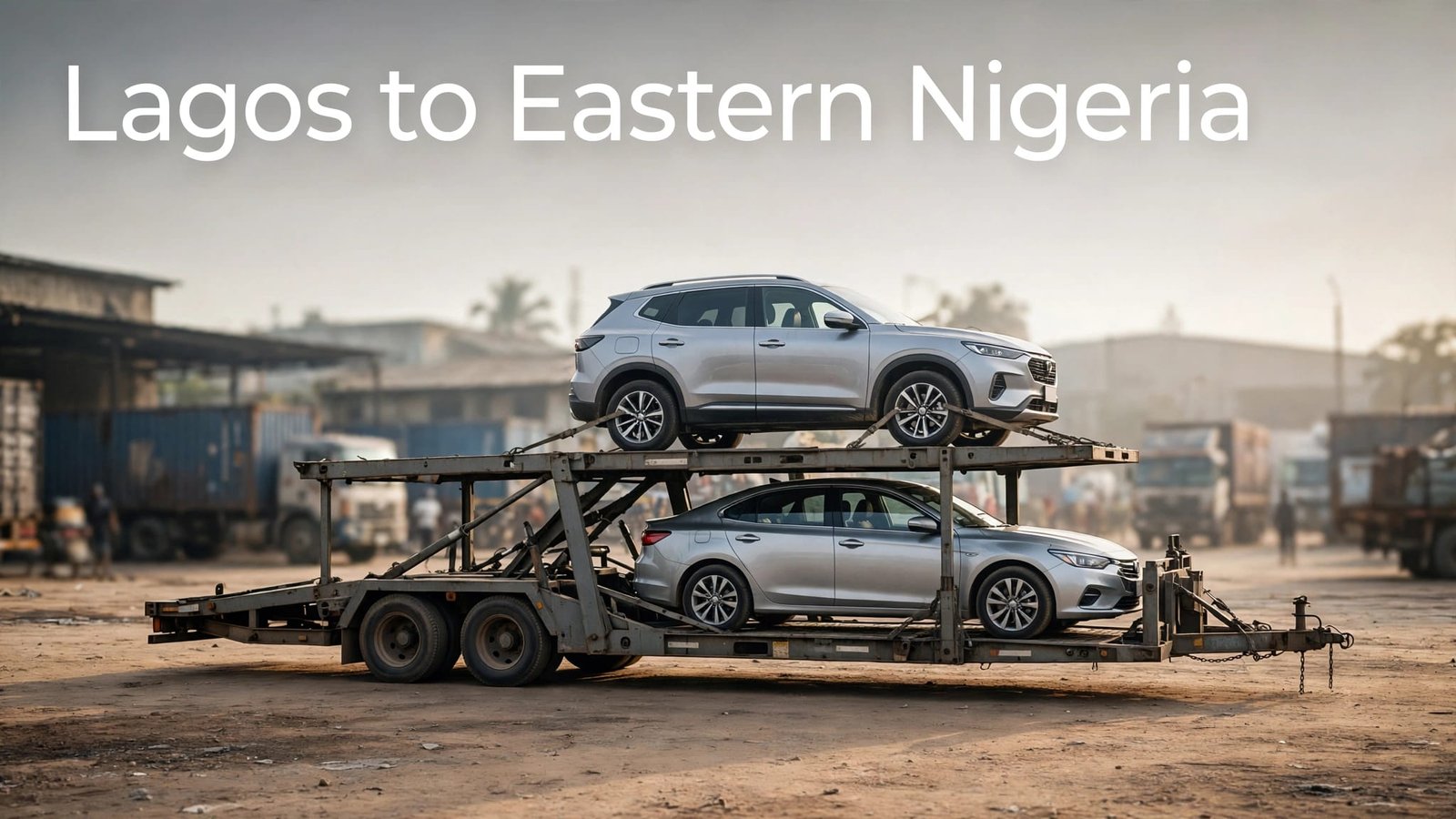
- Enclosed carriers protect luxury or new cars; open trailers cost less and suit most saloon cars and SUVs.
- No fixed public rate exists for this lane, so treat any figure as a planning estimate until a written, itemized quote covers it.
- Pay into a company account, collect a waybill or receipt number, and hold it until the receiver signs for the car.
- Record the car’s condition at pickup with photos and a signed handover note.
Your Main Options for Shipping a Car From Lagos to the East
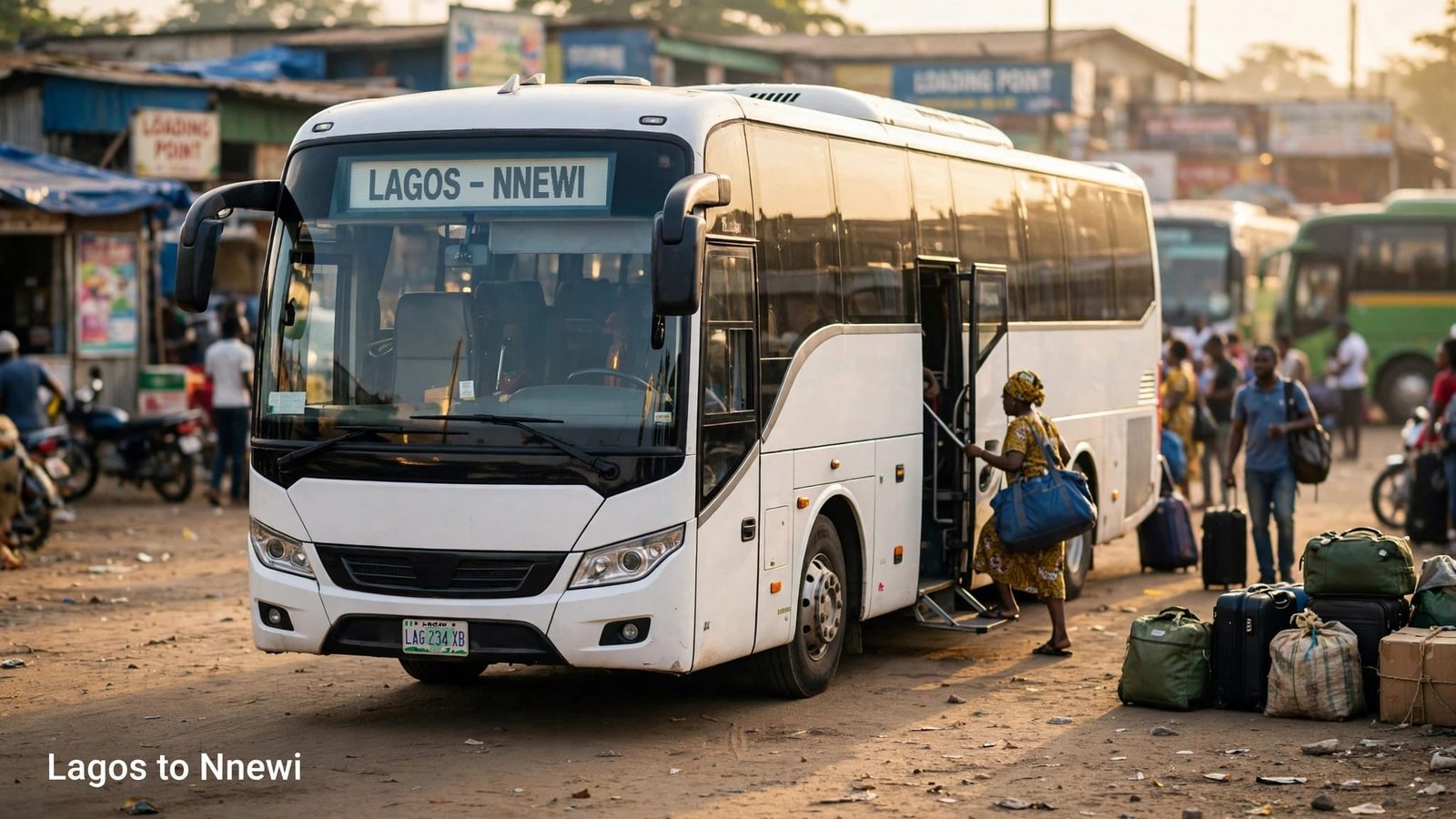
Three realistic methods move a car on this corridor: a dedicated car carrier, a haulage truck that carries vehicles alongside other cargo, and driving it yourself. Bus parcel desks and courier companies don’t accept cars, so rule them out regardless of what a park agent claims. Each option trades cost against protection and control.
| Method | Typical speed | Cost level | Main risk |
|---|---|---|---|
| Enclosed car carrier | Days, set by schedule | Highest | Limited availability on some routes |
| Open trailer or haulage truck | Days, set by loading | Moderate | Weather and road exposure |
| Driving it yourself | 10 to 13 hours on the road | Fuel, tolls, hotels | Wear, breakdown, road risk |

Photo by Roger Starnes Sr on Unsplash
Enclosed Car Carriers vs Open Trailers
An enclosed carrier seals the car inside a covered body, so it stays out of rain, dust, and flying gravel from Lagos to the East. Choose it for a new car, a luxury model, or a vehicle with fragile paint or bodywork. Availability is narrower and the price sits above open transport.
An open trailer is the common choice for everyday saloon cars and SUVs. Exposure to the elements is the trade-off, and most owners accept it on this route. A haulage truck that mixes vehicles with general cargo is the cheapest carrier option, but confirm how the car is secured and who loads it before you commit.
Should You Drive or Ship Your Car?
Driving gives you full control and costs nothing to a third party, but it adds mileage, fuel, tolls, hotels, and a full day on the road. The Lagos to Enugu or Onitsha corridor takes 10 to 13 hours in good conditions, and a bad exit from Lagos or one long stop pushes it higher. Breakdowns and accidents become your problem alone.
Shipping saves the wear on the car and the stress on you, for a fee set by the carrier. Use shipping when the car must arrive without added mileage, when one driver can’t make the trip, or when the vehicle’s roadworthiness is in doubt. Drive it when the car is cheap, the timing is flexible, and you want it in your own hands on arrival.
How to Ship a Car From Lagos to Eastern Nigeria: Step by Step
Work the process in order and most problems never start. Choose the delivery city first, because Enugu, Onitsha, Aba, Owerri, and Port Harcourt each attract different operators and schedules. Confirm the receiving point with the person collecting the car: a named motor park, a stated address, or an estate gate the truck can reach. Then request an itemized written quote covering collection, loading, transport, and delivery.
Prepare the car before pickup day. Wash it so existing scratches are visible, photograph the bodywork, wheels, glass, and interior, and note the mileage. Remove valuables and loose items from the cabin and boot. Hand over with documentation: the driver signs a handover note or waybill, and you keep a copy with the pickup condition record. Finally, arrange collection with the receiver, who should inspect the car against the pickup record before signing a clean receipt.
Documents and Details You Need Before Handover
Prepare a valid ID for the person releasing the car and for the receiver at the other end. Write down the vehicle details: make, model, colour, plate number, and current condition, including whether it starts and steers. Record the receiver’s full name and phone number and the exact delivery address. Keep the waybill or receipt number until delivery is confirmed, because it is the document that anchors any claim.
Questions to Ask the Carrier Before You Pay
Treat the first call as an interview. A serious operator answers these without hesitation:
- When does the delivery window start, at collection or at loading?
- What are the liability terms if the car is lost or damaged?
- Are personal items inside the car covered, and to what limit?
- How is the car loaded, and is it driven at any stage?
- Which company account receives payment, and who do I contact during transit?
Get each answer in writing, by message or on the booking note. A verbal promise disappears when a dispute starts.
How Much It Costs to Ship a Car From Lagos to Eastern Nigeria
No single fixed rate exists on this lane, and no dependable published rate has been verified. Two operators can quote differently for the same car on the same day, because each sets its own price. Treat any figure you read online, including here, as a planning estimate only.
Cost depends on five things: the vehicle’s size and type, whether it runs, the route and delivery point, the season, and the cover or declared value attached to the booking. A saloon that starts and steers costs less than a non-runner. Fuel prices and festive demand move rates around Christmas, Easter, and Sallah, so a price quoted in January won’t hold in December. Booking a week ahead during peak periods protects your rate before the surge reprices the lane.
What Changes Your Quote (and Hidden Fees to Watch)
Non-running cars need extra loading equipment, often a winch or a second handler, and that attracts a charge. SUVs and vans occupy more carrier space than a saloon, which raises the price. Far-out delivery points beyond the carrier’s normal drop zone attract distance charges.
Demurrage is the fee people miss. If the truck cannot reach the drop-off point, or the receiver isn’t there at the agreed time, waiting and return costs can apply. Confirm access to the delivery address when you book, not on delivery day. Get every fee in writing before money moves.
How to Choose a Reliable Car Transport Company in Lagos
Decide on four points in sequence: the car, the route, the timing, and the budget. The car decides the carrier type. The route decides which operators serve it. The timing decides whether you pay a peak-season rate. The budget decides between enclosed, open, and mixed haulage once the first three are settled.
Vet operators the same way regardless of type. Confirm the company’s full business name, physical address, and official phone number, and check recent vehicle-haulage experience. Carriers based around Apapa, Tin Can, Ojota, or Oshodi sit closer to departure logistics, which shortens collection and loading. Unverified intermediaries cause most complaints on this lane: a roadside agent who forwards your booking and vanishes after collection leaves you with no responsible party. Compare verified listings in the LagosMove transport company directory, then contact each shortlisted operator directly and confirm private-car handling separately, because a general freight business doesn’t always move cars.
Red Flags and Costly Mistakes to Avoid
Walk away from these patterns before you pay:
- Payment into a personal account instead of a company account.
- Verbal promises on liability with nothing written down.
- A quote that grows later through unexplained fuel levies.
- No waybill or receipt number issued at handover.
- A drop-off point confirmed only on delivery day.
Run this pre-payment checklist: written total price, named responsible company, company account details, waybill process, delivery window with its start point, and claim procedure with evidence requirements. Keep the answers with your booking terms. If one item is missing, resolve it before the deposit moves.
Frequently Asked Questions
Can I leave personal items inside the car?
Most carriers limit or exclude cover for personal items, because the car’s declared value doesn’t extend to its contents. Remove valuables, electronics, and documents before handover. Ask the operator what their terms say and keep the answer in writing.
How long does delivery take on this route?
Carriers on the Lagos to Eastern Nigeria corridor typically deliver within a few days of loading, set by their schedule and how quickly the truck fills. Rain, roadworks, and festive-season congestion extend that window. Agree on the delivery estimate and its start point before you pay.
Does the quote include door delivery?
Some operators deliver to a terminal or motor park only, and door delivery costs extra. Others include collection and delivery to your stated addresses in the total. Ask which applies to your quote, because the difference changes the final figure.
What if my car doesn’t start or steer?
Non-running cars need extra equipment and handling, and carriers charge for it. Some decline them entirely. State the car’s condition accurately when you request the quote, because a surprise at pickup delays loading and can void the agreed price.
Can a bus parcel service or courier take my car?
No. Bus parcel desks move cartons that ride with passengers, and couriers handle documents and parcels. A car needs a carrier with ramps, securing equipment, and a driver qualified to load it. Use a vehicle haulage operator instead.
Who is responsible if a subcontractor moves the car?
The company you booked remains responsible, but only if that responsibility is written into your terms. Ask at booking whether a third party will collect or transport the car, and record who handles damage claims. Keep that answer with the waybill.
Conclusion
Three habits prevent almost every problem on this route. Match the option to the car and the route, so a luxury vehicle gets enclosed transport and a saloon gets a fair open-trailer rate. Get a written, itemized quote that states the total price, the delivery window, and the liability terms. Keep the waybill until the receiver inspects the car and signs a clean receipt.
The next step is shortlisting carriers and confirming their current terms before money moves. Compare operators side by side on LagosMove, reach them directly, and put every answer in writing. A car that arrives as booked is the result of paperwork done early, not luck on the road.
Leave a Reply