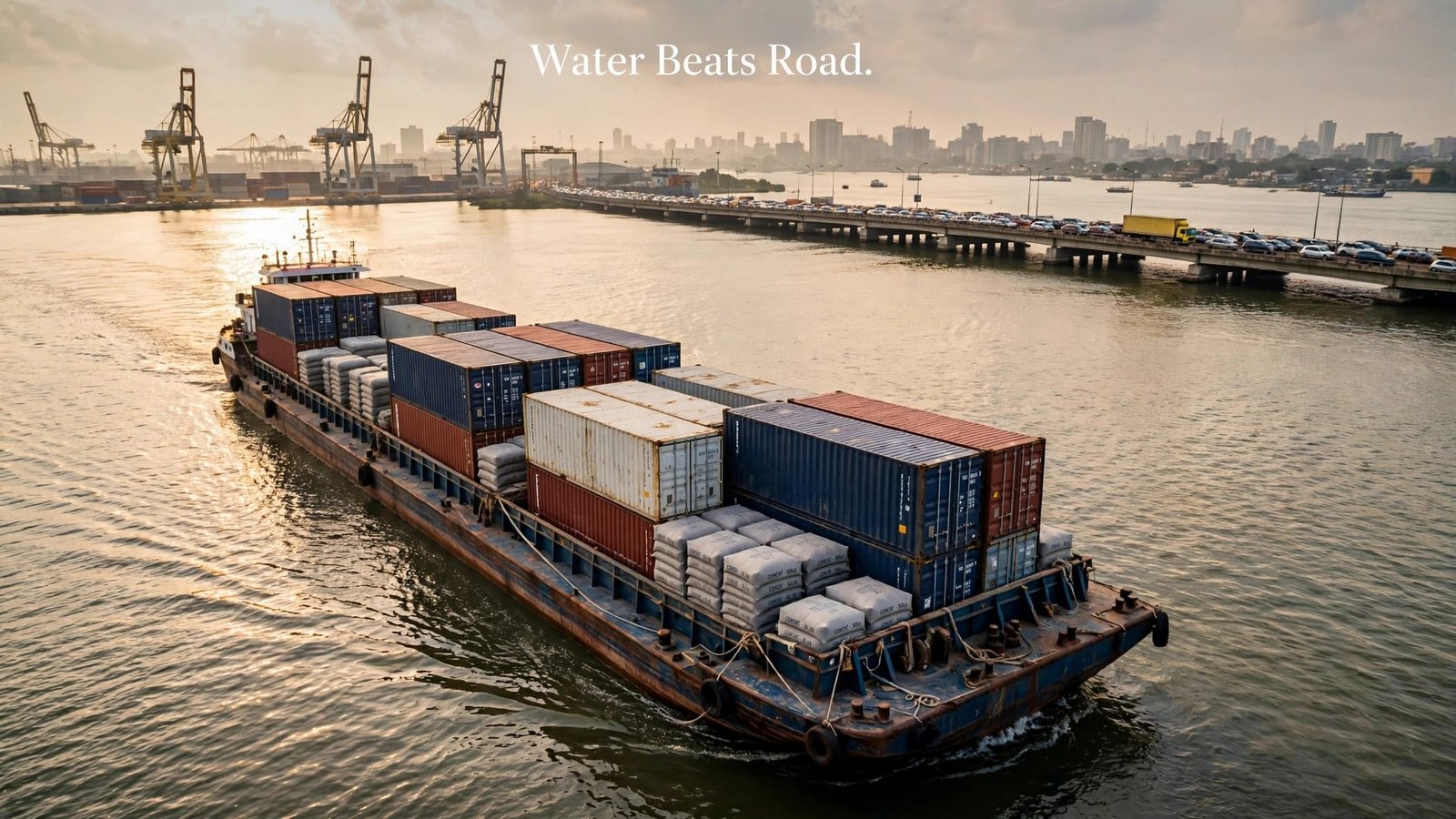
Waterway freight in Lagos beats road transport for heavy, port-linked cargo and for loads that move along the lagoon. Trucks can sit 12 to 24 hours at the Apapa gates while a barge clears the same cargo across the water. That gap is the whole argument.
We’ve watched this pattern for over two years of covering transport across 189 countries, and Lagos repeats it constantly: trucks idle in Apapa gridlock while barges move cement, containers, and fuel on the lagoon above them. The lagoon and its creeks run through the heart of the city, yet most businesses never consider them as freight channels. Importers, manufacturers, and distributors who do consider them often cut cost per ton and sidestep the worst road delays. Start with our Lagos logistics services guide if you want the full picture of every transport mode first. This guide focuses on when water wins.
Key Takeaways
- Use barges for heavy, port-linked, or non-urgent bulk cargo; use trucks for short runs and time-sensitive goods.
- Apapa and Tin Can Island congestion is the main cost driver water transport removes.
- Water freight is one leg of a journey; budget for road transport at both ends.
- Get a written quote per tonnage and route, and confirm current routes with the operator.
- Book through official channels only, and follow LASWA safety rules for passengers and crew.
Why Waterway Freight in Lagos Makes Sense for Certain Cargo
Lagos carries most of Nigeria’s container traffic through Apapa and Tin Can Island, and every container needs a truck to leave the port. The roads around those ports cannot absorb that volume, so trucks queue for days. NIGERIAN PORTS AUTHORITY data and port operator notices document the gate delays that follow.
The lagoon offers a different route to the same destinations. LAGOS STATE WATERWAYS AUTHORITY regulates and promotes water transport as part of the state’s multimodal transport push, alongside ferries for passengers. Freight has trailed passenger ferry services, but barge operators move cargo on the same waterways. Match the cargo, not the fashion: water suits heavy loads with flexible deadlines, and road suits everything else.
What Cargo Moves Best by Barge
Keep bulk, weight-tolerant cargo on the water. These categories fit best:
- Cement, aggregates, and construction materials bound for sites near a jetty.
- Containerized imports moving from Apapa or Tin Can Island terminals to inland offload points.
- Fuel and petroleum products moved by tanker barge.
- Bulk agro goods such as grain and sugar where delivery windows allow days, not hours.
Keep perishables, small parcels, and fragile goods on trucks. A carton of phone accessories gains nothing from a jetty handoff. Pallets or commercial cargo need a haulage firm or a barge, and the size test decides which.
The Roads Problem: Apapa Gridlock and Hidden Costs
Count the real road cost before comparing fares. Trucks held 12 to 24 hours at Apapa gates burn fuel while stationary, and drivers charge for the waiting time. Demurrage piles up daily on uncleared containers, and NIGERIAN PORTS AUTHORITY tariff schedules set those charges, which run into tens of thousands of naira per container per day after free time expires.
Add the secondary costs. A truck stuck in congestion ages tires, breaks down more often, and delivers late regardless of the driver’s skill. A slower barge trip that avoids the queue can price lower per ton once these hidden costs enter the calculation. Treat any figure you see, including ours, as a planning range: fuel prices and port access rules shift both sides of the comparison.
How Barge and Boat Freight Actually Works in Lagos
Water freight is one leg of a bigger journey, not a door-to-door service. Plan for six steps:
- Cargo is picked up or handed over at the origin terminal or warehouse.
- Loading happens at a jetty, usually by crane or manual crew arranged by the operator.
- The barge or boat runs the lagoon or creek route to the destination jetty.
- Unloading happens at the destination jetty with the same equipment question resolved in advance.
- A truck or van covers the last mile to the final address.
- The receiver confirms collection and signs off the cargo documents.
Confirm that the operator covers each step you need, and price the steps you arrange yourself. A cheap barge leg with an expensive last mile can cost more than one direct truck.
The Main Routes: Lagoon, Creek, and Port Corridors
Three corridors carry most freight movement. The port corridor links Apapa and Tin Can Island terminals with barge services running containers and bulk cargo toward Ogun State and the Ondo axis, where terminal operators and private barge firms have moved cargo to bypass road queues. The lagoon crossing connects the Lagos Island axis with Ikorodu, cutting out the Ikorodu Road bottleneck entirely. The Badagry Creek corridor runs west toward the border area, serving communities and traders along the lagoon chain.
Routes and access depend on terminal operators and jetty owners, and they change without notice. A corridor that ran last quarter may pause this quarter. Confirm the current route, the named jetty, and the loading schedule with the operator before you book anything.
Booking, Paperwork, and Safety Rules You Should Know
Work through the same checks you would apply to any haulage booking, plus water-specific ones. Get a written quote covering loading, the water leg, unloading, and the handoff point. Ask who supplies the loading crew and equipment, because a crane at one jetty does not guarantee one at the other.
Safety sits under LASWA rules. Confirm the vessel carries life jackets for every person on board and that the operator holds current safety compliance. Ask about insurance for cargo in transit, and get the liability terms in writing. When cargo arrives through the ports, use a licensed freight forwarder or customs agent for clearance before the water leg; NIGERIAN PORTS AUTHORITY and NIGERIA CUSTOMS SERVICE processes apply at the terminals regardless of how the cargo leaves. Pay into a company account, never a personal one, and keep your waybill and receipt until the receiver confirms collection.
Waterway Freight vs Road Haulage: Costs, Speed, and Trade-Offs
Compare the two modes on the same terms before you commit. Road haulage is quoted per trip, and the figure shifts with fuel prices, season, and truck size. Barge pricing depends on tonnage and route, and operators often negotiate it rather than publish a fixed list. Water is slower on the clock but can cut cost per ton and remove road-delay risk for heavy loads. See our freight and haulage options in Lagos for the road-side comparison in detail.
| Mode | Best For | Typical Speed | Cost Drivers | Booking Point |
|---|---|---|---|---|
| Road haulage | Bulk loads door to door | 1 to 3 days per interstate route | Fuel, truck size, season | Haulage company |
| Barge or boat freight | Heavy, port-linked, non-urgent bulk | Slower; tide and weather dependent | Tonnage, route, loading equipment | Jetty or barge operator |
| Air cargo | Urgent, high-value goods | Fastest | Weight | Airport cargo terminal |
The honest trade-off: water wins on cost per ton for heavy cargo and loses on speed and convenience. Choose it when the calendar allows and the weight justifies it.
What Barge Pricing Depends On
Three inputs drive the quote. Tonnage sets the base, because the operator prices capacity whether or not the barge fills. Route length and jetty access set the second variable, since a shallow or remote landing point adds transfer steps. Season sets the third, because rains raise water levels on some creeks and reduce them on others, and festive-season demand pushes all transport fares up. Request the quote in writing before any money moves, and hold the operator to the loading and unloading points named in it.
When You Should Still Use a Truck
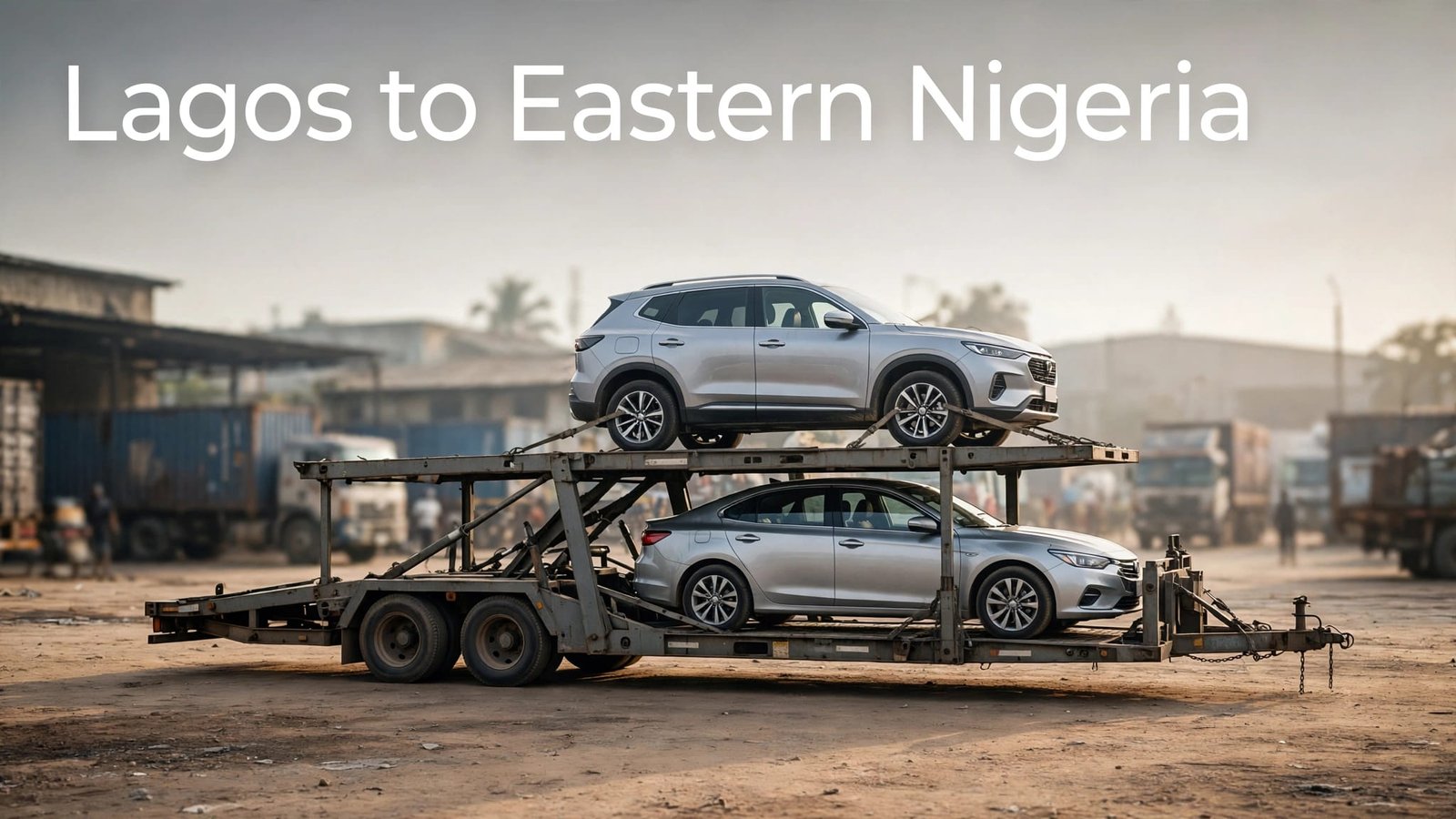
Road wins in four situations. Short intra-Lagos runs where origin and destination both sit far from a jetty favor a direct van or box truck. Time-sensitive goods that must arrive today belong on the road, full stop. Palletized loads needing direct door delivery skip the double-handoff a barge trip adds. Destinations with no nearby landing point remove the option entirely.
Good road operators schedule early-morning dispatch to beat Lagos traffic, and a 5 a.m. run that takes 45 minutes can swallow half a day at noon. Matching the provider to the job remains the golden rule; our guide on intrastate and bulk delivery within Lagos covers the road side of city moves.
Mistakes That Cost People Money on Lagos Waterways
Avoid these five errors, and each one has a direct fix:
- Assuming the barge covers door to door. Fix: price the last-mile truck before you compare quotes.
- Skipping the written quote. Fix: get loading, water leg, and unloading itemized on paper before paying.
- Ignoring tide and weather. Fix: build buffer days into the delivery window, especially in rainy season.
- Using unlicensed operators. Fix: confirm safety compliance under LASWA rules and ask for the operator’s registered business details.
- Forgetting the last-mile cost. Fix: name the final delivery address in the negotiation so the total covers it.
One pattern sits beneath all five: the cheapest headline quote usually hides a step someone forgot to price. Itemize every leg, then compare totals rather than fares.
Frequently Asked Questions
Can a barge collect my container directly from Apapa terminal?
Some barge operators service Apapa and Tin Can Island terminals under arrangements with terminal operators, but access is not automatic. Ask the operator which terminal it works with, what release documents it needs, and whether customs clearance must complete before loading.
How much does barge freight cost in Lagos?
There is no single published price list. Operators quote per tonnage and route, and most pricing is negotiated per trip. Request an itemized written quote for your cargo weight, the named jetties, and the last-mile delivery before you commit.
Do barges run on a fixed schedule like buses?
Most cargo barges run on demand rather than a fixed timetable, though some port-linked services follow regular rotations. Confirm the loading date, tide window, and estimated transit time directly with the operator, because both water conditions and schedules change without notice.
Is waterway freight in Lagos safe for my goods?
It is as safe as the operator you choose. Check the vessel’s condition, life jackets for everyone on board, cargo insurance, and the liability terms in the written agreement. LASWA sets the safety framework, and a compliant operator will state its status without prompting.
Can I move small parcels by boat in Lagos?
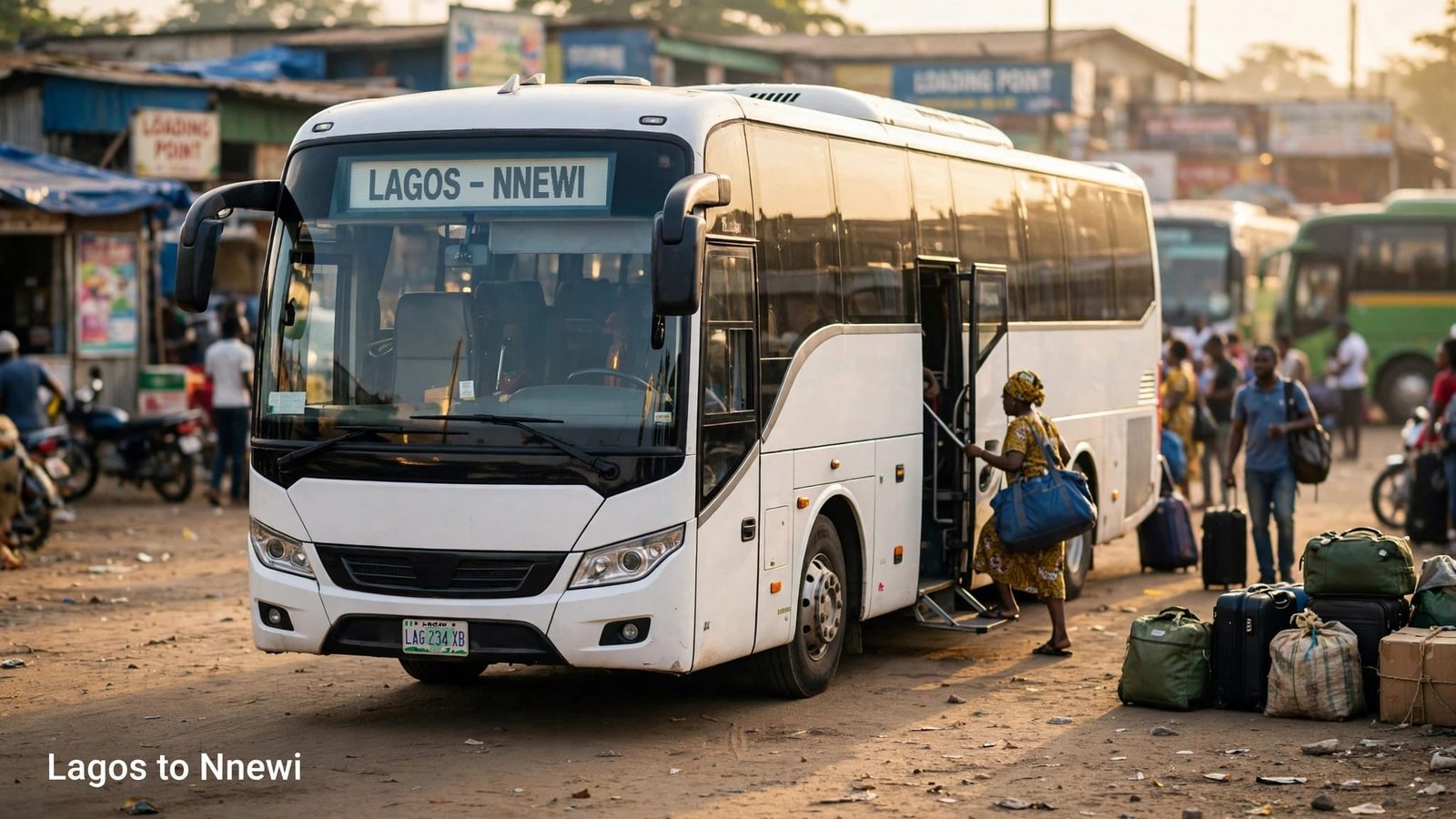
You can, but it rarely pays. Small parcels suit couriers and bus parcel desks, which handle door-to-door or terminal-to-terminal delivery at low cost. A boat trip adds jetty handoffs and last-mile fees that erase any saving on light cargo.
What happens if my cargo arrives damaged after the barge leg?
Liability depends on the terms in your written agreement, which is why that document matters more on water than on road. Confirm before booking who covers damage during loading, during transit, and during unloading, and keep your waybill until the receiver confirms collection.
Conclusion
Three habits prevent most waterway freight problems. Match the mode to the load: barges for heavy, port-linked, non-urgent cargo, trucks for speed and door delivery. Get the full cost in writing, itemized across every leg including the last mile. Confirm current routes and safety terms with the operator before paying anything.
Lagos waterways keep gaining capacity as the state invests in multimodal transport, and the gap between a truck idling at Apapa and a barge moving freely on the lagoon is not closing soon. Compare transport options across Lagos with our guides before you book, and put the water under the heavy loads where it works hardest.
Leave a Reply