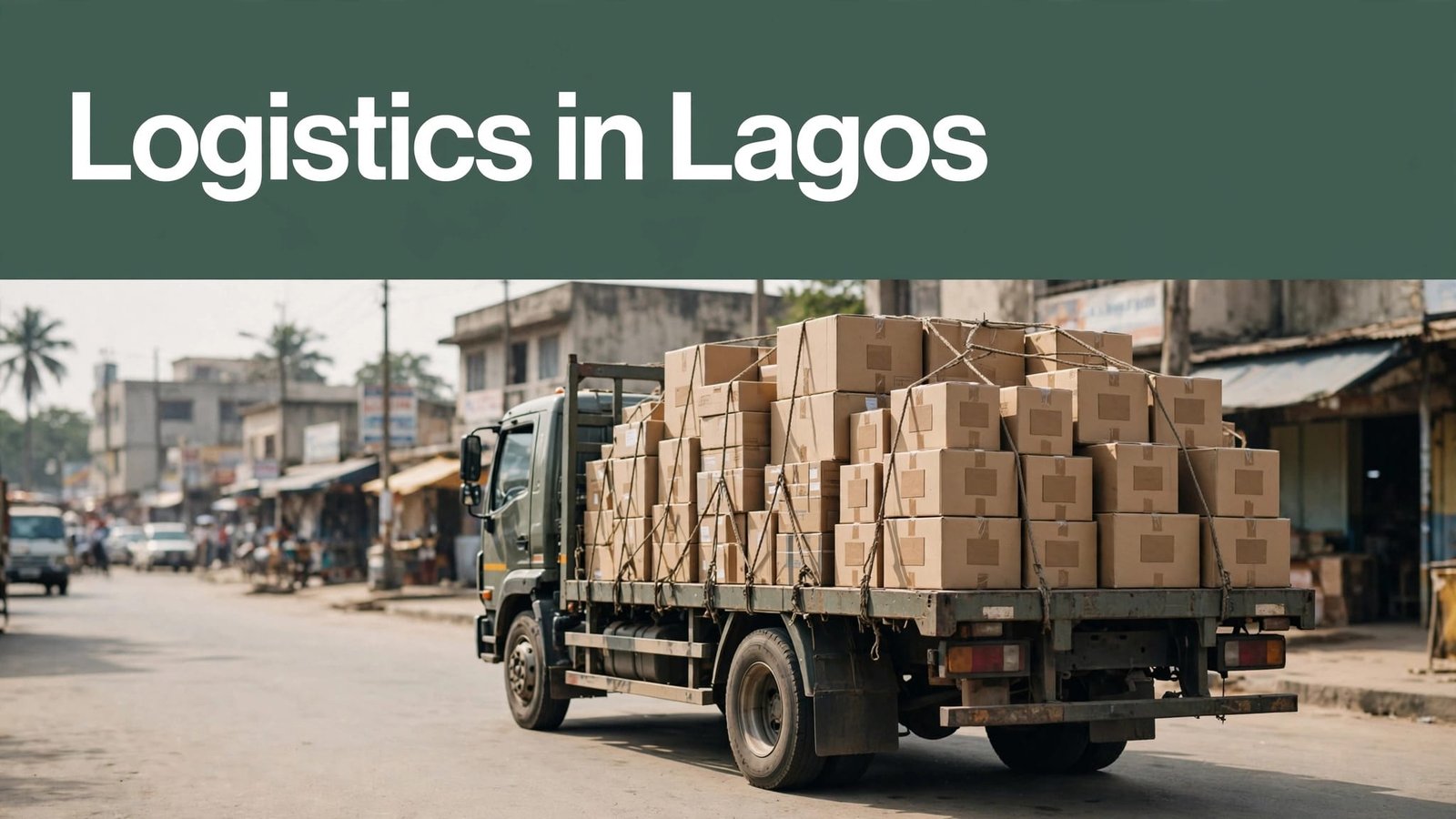
Logistic services move and store goods, but providers don’t all do the same job. In Lagos, a document going from Yaba to Ikeja, a container arriving at Apapa, and cartons heading to customers in Surulere need different vehicles, handling, and paperwork.
The right logistic services depend on what you’re shipping, where it’s going, and when it needs to arrive. Start by matching the shipment to the service, then confirm the provider’s coverage, full price, tracking, and responsibility for loss or damage. LagosMove helps you compare transport and logistics options, but you’ll need to confirm current terms directly with each provider. For a wider overview, see this Lagos logistics services guide.
1. Road freight and haulage
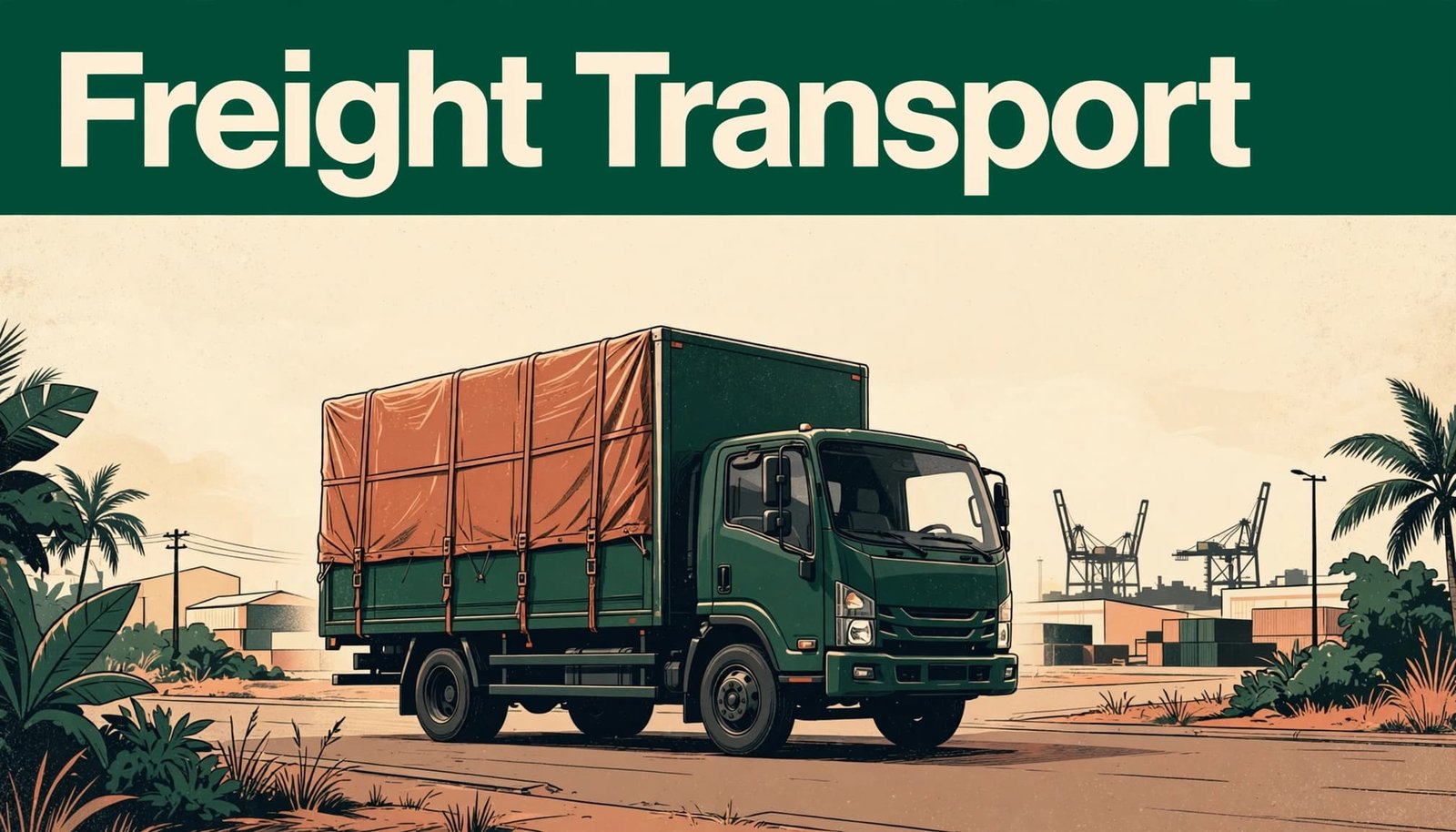
Road freight moves goods by truck or other road vehicles. It can cover a local delivery within Lagos, a regional run, or a longer trip to another Nigerian city. The right vehicle depends on the cargo, its size and weight, the loading arrangements, and the route.
Before booking, confirm the truck type, pickup and delivery locations, loading access, expected schedule, tracking options, and what happens if there’s a delay. For a business sending stock from Ikeja to retailers in Surulere or Yaba, delivery may be arranged as a one-off trip or as part of a wider distribution service. Don’t assume the quote includes loading, waiting time, or unloading. Get the full scope in writing.
2. Rail freight
Rail can carry freight along routes served by rail infrastructure, often as one part of a longer journey. A shipment may still need a truck at either end to move goods between a warehouse, station, or customer.
Check that rail service is available for your route and cargo, and confirm who arranges transfers. Ask how handoffs are tracked, when the goods are expected to arrive, and what transport covers the first and final legs. Rail isn’t a fit for every location or shipment, so compare the complete journey rather than looking at the rail segment alone.
3. Air freight
Air freight moves cargo by aircraft. It may suit goods with specific timing or handling needs, but the route, airport processing, available service, and onward delivery all affect the journey. Air transport doesn’t automatically mean a shipment will arrive sooner at its final destination.
When you request a quote, provide the pickup and delivery addresses, package dimensions and weight, contents, handling instructions, and required delivery date. Ask whether the service includes airport handling and delivery after arrival, and confirm who manages documents and any required customs steps. FAAN reported commissioning a cargo-processing facility at the General Aviation Terminal at Murtala Muhammed Airport in May 2025; that information applies to the facility and shouldn’t be taken as a description of every airport cargo process.
4. Ocean freight and freight forwarding
Ocean freight moves cargo by sea, often in containers. A shipment arriving in Lagos may also require port handling, customs-related support, and road transport to its final destination. The Nigerian Ports Authority lists the Lagos Port Complex, Tin Can Island Port Complex, and Lekki Deep Sea Port among ports in Lagos State. Its Lagos Port Complex information describes operations at that complex, but don’t assume every terminal or cargo process follows the same hours or schedule.
A freight forwarder can arrange or coordinate shipment stages on your behalf, depending on the agreement. Ask what the provider handles, which tasks fall to you, and whether its quote includes inland transport, documentation support, and port-related charges. If you’re bringing goods into Nigeria, confirm the route and service scope before committing. This guide to sea and air freight from China to Nigeria explains common shipping options for cargo that enters through Lagos.
5. Intermodal and multimodal transportation
Intermodal transportation uses more than one transport mode on a journey. For example, goods could move by road to a rail station, travel by rail, then transfer to a truck for delivery. The exact combination depends on the route and service available.
Multimodal transportation also uses multiple modes, but a provider may arrange the journey under one service agreement. The term alone doesn’t tell you who is responsible at each stage. Ask for the modes, transfer points, service scope, contact arrangements, and tracking method. Clear responsibility for handoffs matters, especially when several companies handle one shipment.
6. Less-than-truckload (LTL) shipping
Less-than-truckload shipping generally means your shipment uses only part of a truck’s capacity. A provider may combine it with other shipments, so the trip can involve terminal handling or additional transfers before delivery.
To get a useful quote, provide the shipment’s dimensions, weight, packaging, pickup and delivery addresses, and any special handling needs. Confirm whether the provider collects from your location or expects you to drop off at a depot. Ask how the shipment is identified and tracked while it moves through the network.
7. Full truckload (FTL) shipping
Full truckload shipping generally refers to using a truck’s capacity for a shipment or shipper, subject to the provider’s terms. It can suit larger loads or shipments that need a dedicated vehicle, but the provider must still match the truck to the cargo and access conditions.
Confirm the vehicle type, loading method, delivery window, route, and any waiting or loading fees. In Lagos, narrow access roads, operating hours, and loading space at pickup or delivery can affect the plan. Share those details before the truck is dispatched, not after it arrives.
8. Parcel, courier, and urgent delivery
Parcel services carry individual packages through a courier network or another delivery service. A provider may offer pickup or drop-off, labels or waybills, tracking, and delivery confirmation. The features differ, so check what comes with the service you’re booking.
For a small parcel moving within Lagos, a dispatch rider may fit better than a truck. For an interstate package, compare a courier with other route options based on delivery needs, tracking, and collection arrangements. If you need same-day or urgent delivery, give the provider the ready time, deadline, package details, and a contact person. Confirm the actual service commitment, cutoff time, operating days, and what happens if your plan changes. Online sellers can compare e-commerce delivery options in Lagos.
9. First-mile pickup and last-mile delivery
First-mile pickup is the initial movement of goods from your business, supplier, or another starting point into a logistics network. A smooth pickup depends on a clear address, a ready shipment, the right loading access, and a contact person who can release the goods.
Last-mile delivery is the final movement to the recipient. It may include appointment scheduling, recipient updates, and proof of delivery, depending on the provider. Give the driver accurate directions and any access instructions. For a commercial address, confirm the receiving hours and contact details before the goods leave the warehouse.
10. Warehousing, fulfillment, and inventory management
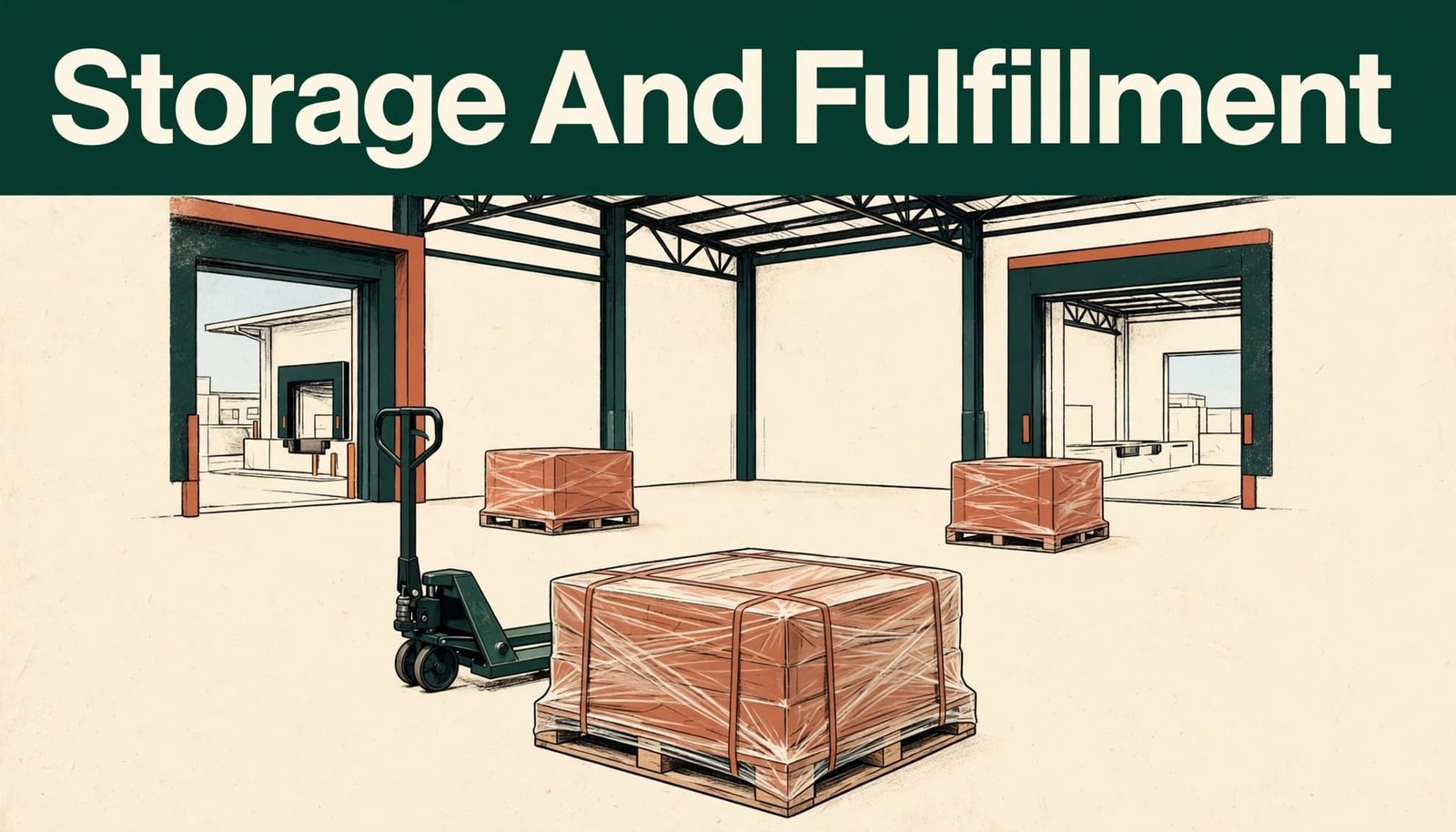
Warehousing gives you a place to hold goods before they’re distributed or sold. Services may include receiving stock, storage, inventory records, and dispatch. Some providers also handle fulfillment, which can include processing orders, picking items, packing them, and preparing them for delivery.
Ask how storage is charged, what conditions the facility provides, and how often inventory records are updated. Confirm which fulfillment tasks are included in the base fee and which cost extra. A third-party logistics provider may combine warehousing, order preparation, delivery, returns, or reporting under one agreement, but the services vary. If you ship only a few parcels a week, a standard courier may be simpler than a full warehouse and fulfillment contract.
11. Cross-docking and distribution
Cross-docking transfers goods from incoming transport to outgoing transport, with limited or no long-term storage. It can help move stock through a facility, but it depends on careful coordination between arrivals, sorting, and departures.
Ask how shipments should be labeled, where transfers take place, and how the provider handles missed connections or late arrivals. Distribution then moves goods in planned batches to shops, customers, or other destinations. If one company coordinates several stages, confirm which ones it performs directly and which it assigns to partners.
12. Specialized handling, returns, and shipment records
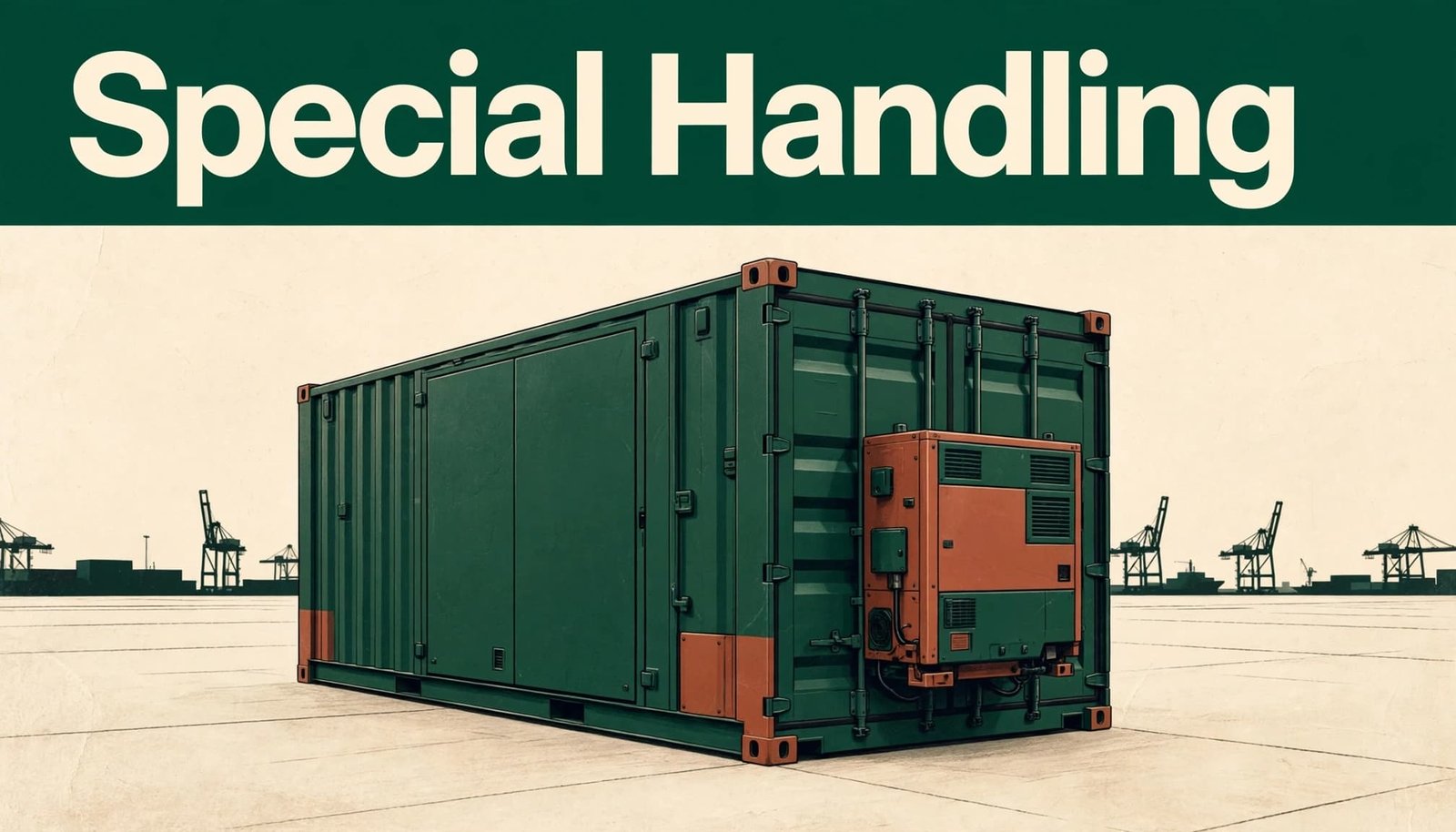
Some goods need more than standard pickup and delivery. Cold-chain logistics coordinates the handling and movement of products that require temperature control. Requirements depend on the product and the shipper’s instructions, so ask about equipment, monitoring, records, handling procedures, and contingency plans.
Hazardous materials and oversized or heavy cargo need qualified providers familiar with the relevant goods and route. Classification, packaging, documents, permits, and handling requirements vary. Share accurate shipment details and confirm who is responsible for each step. For large or complex project cargo, ask how the provider plans equipment, routes, schedules, and handoffs.
Reverse logistics covers goods moving back for return, inspection, repair, or another next step. Set out return eligibility, collection arrangements, destination, and status updates before you need them. For every service, ask what records you’ll receive, such as a waybill, tracking reference, delivery confirmation, or other shipment documents.
How to compare logistic services in Lagos
Before choosing a provider, write down what you’re shipping, how it’s packed, where it’s going, and when it needs to arrive. Then compare services using the same details. A quote is only useful when you know what it covers.
Use this checklist when you contact providers:
- Does the provider serve your pickup and delivery locations?
- Is the vehicle or service suitable for the shipment’s size, weight, and handling needs?
- What is the full price, including pickup, transfer, storage, waiting, and other possible charges?
- What delivery window or service commitment applies?
- How can you track the shipment, and what proof of delivery will you receive?
- What are the provider’s terms for loss, damage, insurance, and claims?
- Which services does the provider handle directly, and which are assigned to another company?
- What paperwork do you need to provide, and who handles each document?
For imports, confirm customs responsibilities with the provider and check current requirements for your goods and route. The Nigeria Customs Service valuation and tariff guidance explains that tariff classification follows the Harmonised System and its General Rules of Interpretation. Don’t rely on a product’s everyday name to determine duty, and don’t treat a provider’s estimate as a guarantee of clearance or cost.
The Nigerian Ports Authority also publishes port tariff information. Check current charges and confirm which apply to your shipment with the relevant service provider. For a practical view of business needs, compare the logistics companies and services in Lagos that fit your type of cargo.
Conclusion
Logistic services work best when the provider matches the shipment. Use a courier or dispatch service for parcels, freight and haulage for larger loads, and warehousing or fulfillment when you need ongoing stock support. For international cargo, confirm the forwarding, documentation, customs, and inland delivery responsibilities before you book.
Compare providers using the same shipment details, get the full quote in writing, and keep your waybill or tracking reference until the receiver confirms delivery. Those checks help you choose logistic services that fit your route and reduce avoidable disputes.
Leave a Reply