Lagos uses the Nigerian Naira (NGN, ₦), divided into 100 kobo. It’s a cash-and-transfer city, and foreign cards often fail at ATMs or point-of-sale terminals. Carry physical naira and know your backup options before you land.
That single detail trips up more visitors than traffic ever does. You’ll see card machines in malls and hotels, then find street vendors, beach gates, and danfo drivers who want small notes only. Getting money right here is mostly preparation.
This guide covers exchanging money, paying for transport and food, spotting common scams, and budgeting a realistic day in Lagos. Start with the naira, and the city gets easier fast.
Key Takeaways
- The naira (NGN, ₦) is the only currency accepted for daily spending; exchange at banks or licensed BDC operators, never street changers.
- Cash rules Lagos. Carry small notes because danfos, beach gates, and street vendors rarely take cards.
- Foreign cards often fail at ATMs and POS terminals, so set up a Nigerian transfer or wallet backup before you arrive.
- Budget for the full journey, not just the headline fare; extras like luggage, tips, and the ride home add up fast.
- Confirm every payment goes to a company account, never a personal one, before money leaves your hands.
Understanding the Nigerian Naira: Notes, Coins, and How Locals Use Them
The naira (NGN, ₦) is the only currency you’ll use in Lagos. It splits into 100 kobo, though you’ll almost never see a kobo coin in daily life. Prices come in whole naira, and the ₦ symbol appears on price tags, ride-hailing receipts, and market boards.
The Notes You’ll Actually Handle
Nigeria redesigned its notes in recent years, so you’ll see both old and new versions in circulation. The higher denominations dominate everyday trade because inflation has pushed small change out of common use.
| Note | Color |
|---|---|
| ₦1000 | Brown/cream |
| ₦500 | Pink/mauve |
| ₦200 | Green |
| ₦100 | Blue/purple |
| ₦50 | Blue/green |
Coins exist in ₦1, ₦2, and lower values, but vending kiosks and conductors treat them as collectors’ items, not money. Don’t expect to receive coins in change. Most prices round to the nearest ₦5 or ₦10, and when change is scarce, vendors may hand you sweets, phone credit, or nothing at all.
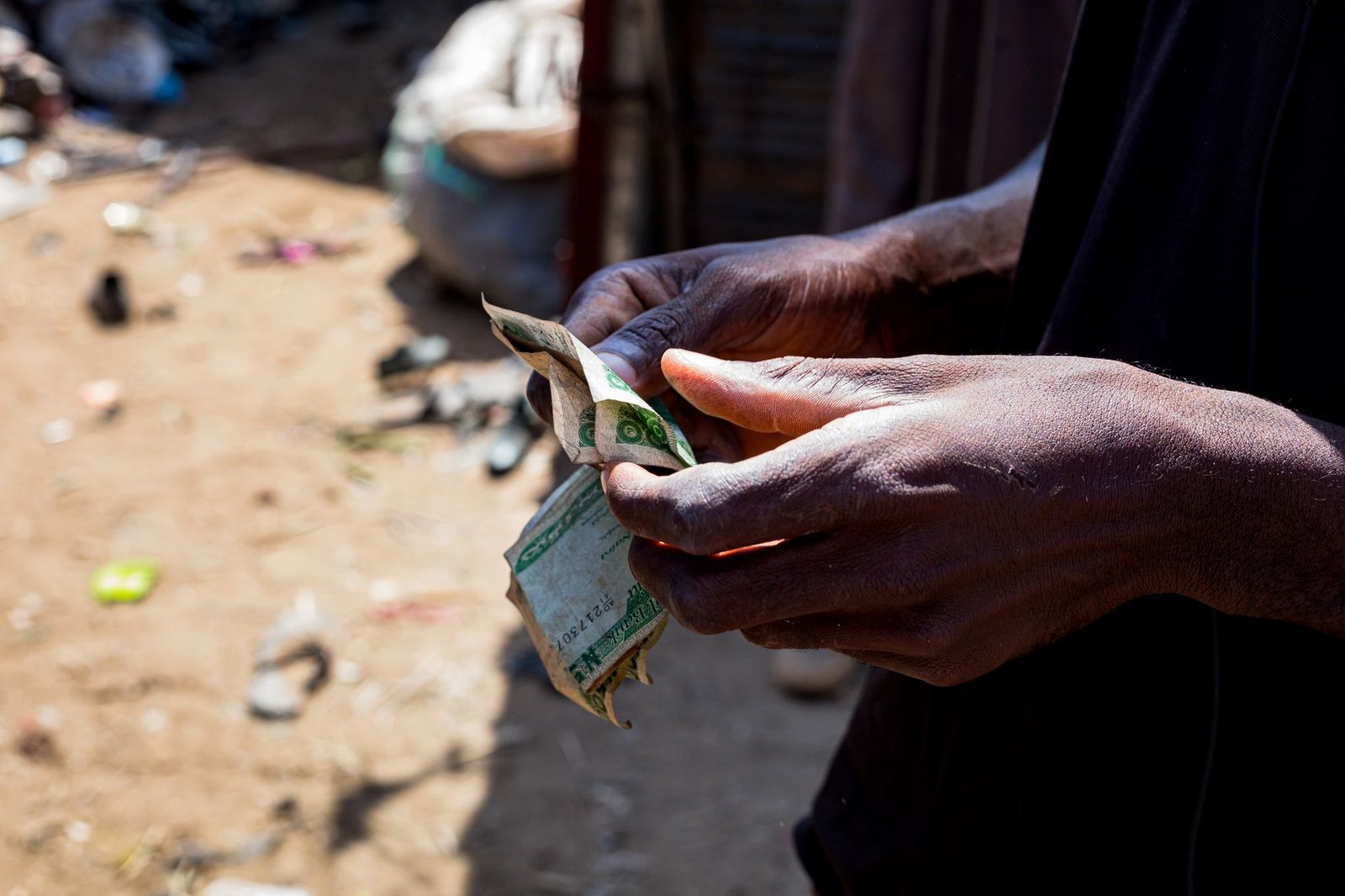
Photo by MUHAMMAD MUKTAR
Two Money Realities Run Side by Side
Lagos operates on two payment tracks at once. Street vendors, danfo conductors, beach gates, and suya spots run on cash-first rules, and small notes matter most there. Meanwhile, banks, shops, and apps move money through naira transfers and mobile payments. POS agents on street corners, plus wallets like OPay and Moniepoint, handle a huge share of daily transactions for residents.
Check Your Notes Before You Accept Them
Naira notes pass through thousands of hands and get worn fast. Tears, heavy creases, and faded ink are normal, but badly damaged notes can be rejected at terminals and some shops. Glance at each large note before you pocket it, and refuse anything half-torn. Holding clean ₦500 and ₦1000 notes makes every transaction smoother.
How to Exchange Money in Lagos Safely
Lagos gives you four ways to turn foreign cash into naira: banks, licensed bureau de change (BDC) operators, airport counters, and street changers. The rates differ, and the risk differs too. Naira rates move often, so check the current rate online before you change any serious amount. A five-minute check protects you from a bad quote.
Should You Change Money at Murtala Muhammed Airport?
The airport counter wins on convenience and loses on price. You land tired, you need naira for a taxi or transfer, and the counter is right there. That convenience costs you, because airport rates usually sit well below what city BDCs offer.
The smart play is to change a small amount at the airport, just enough to cover your first taxi, transfer, and a meal. Then change the rest in the city, where licensed bureau de change operators on spots like Allen Avenue or Wuse-style BDC rows compete harder and quote better rates. Banks exchange foreign currency too, though queues and paperwork can slow you down.
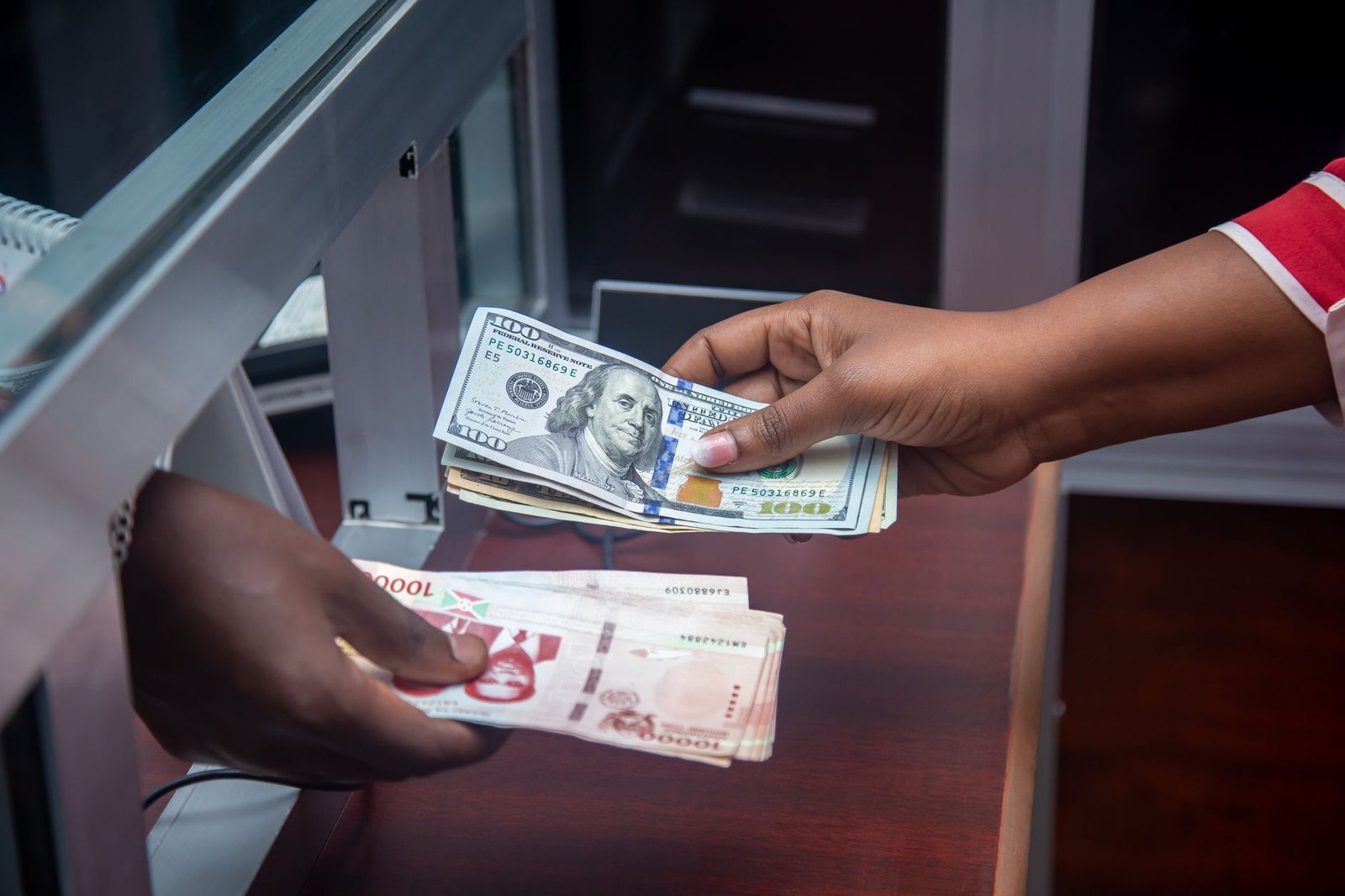
Photo by Audy of Course
Before You Hand Over Any Cash
Street changers quote tempting rates, and some are outright scammers. Even honest ones can shortchange you in a fast-moving crowd. Use licensed exchange offices or bank counters, and count everything in front of the teller before you pocket it. Here’s your pre-exchange checklist:
- Check the current naira rate online before you agree to anything.
- Use a licensed BDC or bank, never someone you meet on the street.
- Count the naira in front of the teller, out loud if you have to.
- Keep your receipt until you’re sure the notes are valid.
- Carry a bank card that works internationally as a backup.
Do that, and exchanging money in Lagos becomes routine instead of a gamble.
Using Cards, ATMs, and Mobile Payments in Lagos
Lagos takes cards, but only in certain places. Hotels, supermarkets like Shoprite, and upscale restaurants on the island process card payments without drama. Step outside those zones and the rules change fast. Danfo drivers, market women, and beach gate attendants want cash, and no card machine is coming to save you. Know where each payment method works before you leave your hotel.
Getting Cash from ATMs Without the Headaches
Use ATMs attached to bank branches or inside malls. Standalone machines in odd corners run out of cash and attract skimming devices. Bank-attached machines like those at GTBank, Zenith, Access, and First Bank branches are your safest bet, and security staff are usually nearby.
Watch the limits. Nigerian ATMs often cap withdrawals per transaction, and your home bank adds its own daily cap on top. A foreign card that worked yesterday can fail today due to network issues, so never withdraw your full budget in one trip. Split it across a few days and keep the rest secure.
The Cowry Card for BRT and Rail
If you plan to ride BRT buses or the Blue Line rail, get a Cowry Card. It’s a reusable contactless card sold at BRT terminals for a small fee, usually between ₦500 and ₦1,500 for first-time purchase. You tap in at the gate, the fare deducts automatically, and you tap out at your destination. Cash is being phased out on major BRT corridors like Ikorodu Road, so a funded card saves you from standing at the wrong queue. Top up at terminal recharge points or through linked mobile wallets before peak hours, when recharge queues get brutal between 6:30 a.m. and 8:00 a.m.
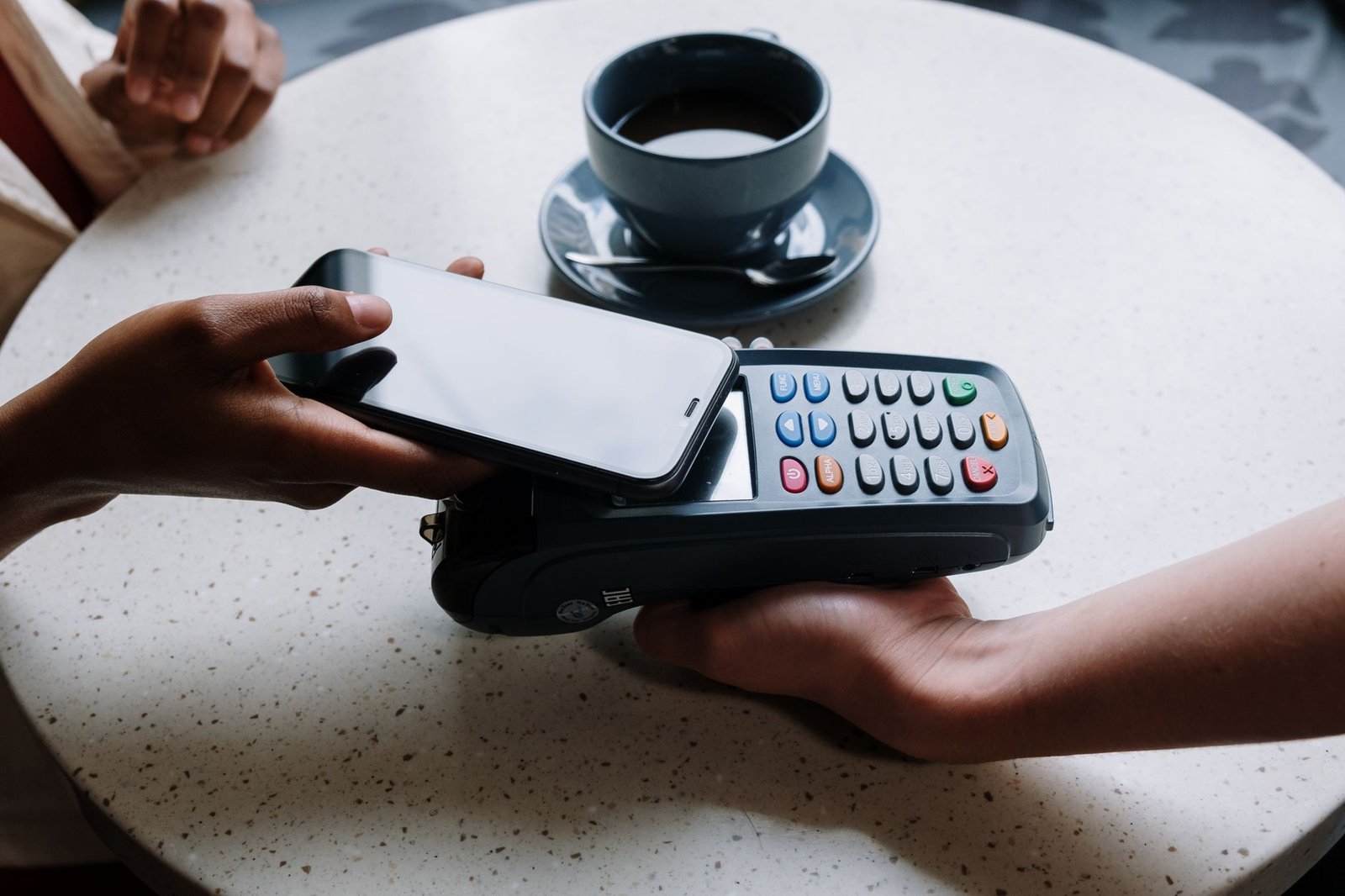
Photo by cottonbro studio
Ride-Hailing Apps and Why They Work Here
Uber and Bolt are your card-friendly transport options. Both apps accept international cards linked to your account, and the fare is settled in-app, so no cash changes hands. This makes them the easiest way to move around without carrying stacks of naira, especially for airport runs where there is no rail link to Murtala Muhammed Airport.
Mobile Wallets: Powerful, but Mostly Off-Limits to Visitors
Apps like OPay, Moniepoint, and PalmPay move most of the money Nigerians spend daily. POS agents use them on street corners, and vendors prefer them over cash for larger amounts. The catch for visitors: full access usually requires a Nigerian SIM, BVN, and local bank account. Unless you’re an expat with those sorted, treat wallets as something you’ll observe rather than use, and keep your cash and card strategy doing the heavy lifting instead.
What Things Cost in Lagos: A Real Budget Guide
Lagos prices move with demand, season, and location, so treat every figure here as a planning number, not a fixed rate. That said, you can build a realistic daily budget from current published fares and typical meal prices. The biggest lesson? Budget for the whole journey, not just the headline fare. A cheap danfo ride means nothing if you need an expensive taxi to finish the trip.
Sample Daily Budget for a Visitor
Here’s what a typical day in Lagos might cost, pairing budget transport with one comfortable meal:
| Expense | Typical Cost | Notes |
|---|---|---|
| Airport transfer or ride-hailing | ₦10,000 to ₦20,000 | Short Ikeja runs sit at the bottom; VI or Lekki runs cost more, especially at night |
| BRT fare | ₦450 to ₦960 | Ikorodu to Mile 12 at ₦450; Ikorodu to TBS at ₦960 (March 2026 LAMATA table) |
| Danfo or shared bus | Lower than BRT for short hops | Fares aren’t posted, so ask before you board |
| Meal at a local spot | Budget-friendly | Rice, beans, or suya from a busy neighborhood joint |
| Mid-range restaurant meal | Moderate to high | Island locations like VI and Lekki price higher than the mainland |
| Water and snacks | Small change | Buy from supermarkets or reputable shops |
| Mid-range hotel | Varies by area | Ikeja and Yaba cost less than Victoria Island or Ikoyi |
Prices change often, especially hotel rates between February and December, so confirm with the hotel or operator for your exact dates.
Keep Small Notes Handy
Carry ₦100, ₦200, and ₦500 notes for tips, street vendors, and beach gates. Conductors and attendants rarely have change for anything larger, and a ₦1000 note can stall a simple purchase. Before any BRT trip, check the current LAMATA fare table so you’re matching published prices, not an older figure you found online.
Money Mistakes That Cost You in Lagos (and How to Avoid Them)
Most money losses in Lagos follow the same pattern. Someone pays before confirming who they’re paying. That one skipped step drains more wallets than any clever scam ever could. Fix it, and you’re already ahead of most travelers.
The rule is simple: treat every offer as unverified until the company itself confirms it. Whether it’s a taxi booking, a hotel rate, or a bus ticket, confirm the provider through its own channel before money moves. A booking is only real when it comes from a channel that stays consistent, answers questions, and hands you a reference before payment.
Red Flags to Watch Before You Hand Over Any Payment
Some warning signs should stop a transaction cold. Pause the moment you notice any of these:
- The message says only “Lagos” or “Lagos airport” with no terminal, gate, or pickup point named.
- Payment instructions change after you’ve already received an account number.
- Someone pressures you to pay instantly because the fare is “about to vanish.” Real rates don’t disappear in an hour.
- The money goes to a personal bank account instead of a company name, no matter how good the price looks.
- A forwarded screenshot is offered as proof of a confirmed booking. Screenshots are easy to fake.
One red flag means verify further. Two or more means walk away and rebook elsewhere.
If your confirmation never arrives, don’t pay a second time. Call the operator’s published support line and ask them to confirm the booking directly. Then keep your receipt, booking reference, and confirmation message saved on your phone, plus one offline copy. Network service fails at the worst moments, and a saved record settles any argument at the gate. The same habit applies everywhere: split your cash between two pockets, avoid flashing large notes, and get every full price, including hotel taxes and service charges, in writing before you confirm.
Frequently Asked Questions
You’ve got the naira basics, the exchange rules, and the budget math. A few questions always come up before travel day, so here are straight answers to the ones readers ask most.
How much cash should I carry in Lagos?
Carry enough small notes to cover a full day: transport, food, tips, and entry fees. Most of that fits in ₦5,000 to ₦10,000 worth of ₦100, ₦200, and ₦500 bills. Keep the rest of your budget in your hotel safe or split between two pockets.
Can I use US dollars or euros directly in Lagos?
No. The naira is the only currency accepted for everyday spending. Shops, taxis, and vendors won’t take foreign cash, so exchange at a bank or licensed bureau de change soon after you land. A few hotels may quote in dollars, but they’ll settle in naira.
What do I do if an ATM swallows my card?
Don’t panic, and don’t walk away. Note the bank name and branch, then visit the branch during banking hours to recover it. If the branch is closed, call the number printed on the machine or use a different card. This is why you carry a backup card and never withdraw your whole budget in one trip.
Is it safe to accept naira transfers from strangers?
Treat any transfer request with suspicion until you confirm the receiver. Send money only to a company account you verified through an official website or published line, never a personal account. If someone switches account numbers mid-conversation, walk away.
Do I need to tip in Lagos, and how much?
Tipping is appreciated but not mandatory. Round up a taxi fare, add ₦500 to ₦1,000 for restaurant service, and tip hotel porters a few hundred naira per bag. Small notes make tipping painless, which is one more reason to keep them handy.
What happens if I run out of cash on a weekend?
Banks may be closed, but ATMs at malls and major branches still dispense cash, and POS agents on street corners can process card-funded withdrawals for a small fee. Ride-hailing apps also let you settle fares on a card, so you can still move around while you restock your notes.
Conclusion
Money in Lagos comes down to a few habits that protect your budget every single time. Carry small naira notes for danfos, beach gates, and street food. Check the current exchange rate before you change any real amount, and use a licensed BDC or bank counter, not a street changer. Pay with cards only where they clearly work, like hotels, malls, and ride-hailing apps. Send money only through official channels to a company account, and keep every receipt until your trip ends.
Your transport budget deserves the same care. Fares shift with traffic, season, and route, so plan the full door-to-door cost before you travel. LagosMove’s Lagos transportation guide breaks down current fares, terminals, and routes so you can budget with real numbers, not guesses.
Get these basics right, and the naira stops being a puzzle. You spend less time worrying about payment and more time enjoying the city.

Leave a Reply