Lagos is hot and humid year-round, with two seasons: a dry season from roughly November to April and a rainy season from May to October. If you want reliable travel days, visit during the dry season.
Weather shapes your plans here, but so does traffic. A downpour from May to October can flood lanes on the Lekki-Epe Expressway or around Ojota and Mile 2, adding an hour or more to any route. Even in the dry months, afternoon heat is real, and midday plans outdoors need care.
This guide breaks down what each season means for your trip, what to pack, and how to plan around rain, heat, and Lagos traffic so weather doesn’t catch you off guard.
Key Takeaways
- Dry season (November to April) gives you the most reliable days; the rainy season (May to October) brings flash flooding that can add an hour or more to trips through Ojota, Mile 2, and Ajah.
- Check the forecast on the morning of travel, not the week before, and add a buffer hour when heavy rain is likely.
- Pack cash in small notes, a compact umbrella, sun protection, and a power bank; most beach gates and vendors don’t take cards.
- Leave between 4:30 a.m. and 6 a.m. for trips beyond your neighborhood; after that, traffic builds fast.
- Never drive through water you can’t see the surface of, and keep your phone charged with your ride confirmed before dark.
Understanding Lagos Weather: Two Seasons, One Humid Climate
Lagos sits on the Gulf of Guinea, and that location shapes everything. The city runs on a tropical climate with two seasons and almost no temperature swing. Expect highs in the high 20s to low 30s Celsius every month of the year. You will never need a winter coat here. What changes your plans is rain, not cold.
Here’s the year at a glance:
| Month | Season | Typical Temp | Humidity |
|---|---|---|---|
| November – February | Dry (harmattan Dec-Feb) | 24-32°C | Moderate |
| March – April | Dry, heating up | 27-34°C | Rising |
| May – July | Rainy, heaviest rains | 25-30°C | Very high |
| August | Short dry break | 25-30°C | High |
| September – October | Rainy, tapering | 25-31°C | High |
Humidity stays high no matter the season. That’s the “one climate” part of the equation.
The Dry Season (November to April): The Easiest Time to Plan
These months give you clearer skies and more predictable days. Roads stay drier, beaches stay open, and boat trips run on schedule. If your trip involves the Lekki-Ajah corridor or ferry crossings, this is when those plans hold up best.
One thing to know: from December to February, harmattan blows in. Dry, dusty air from the Sahara brings haze and cooler mornings, especially early in the day. Flights occasionally shift when visibility drops. It’s usually mild, but check conditions if you’re flying early.
The Rainy Season (May to October): What Rain Really Means for Your Trip
Rain in Lagos rarely lasts all day. The pattern is heavy afternoon downpours, often with dry mornings. Lagos State publishes a seasonal rainfall prediction each year, and the 2026 forecast projected above-normal rainfall, so check the current one before you rely on any dates.
The real risk is flash flooding. Lanes on the Lekki-Epe Expressway, around Ojota, Ajah, and Mile 2 can close for hours. Add a buffer hour whenever heavy rain is in the morning forecast, and never drive through water when you can’t see the road surface.
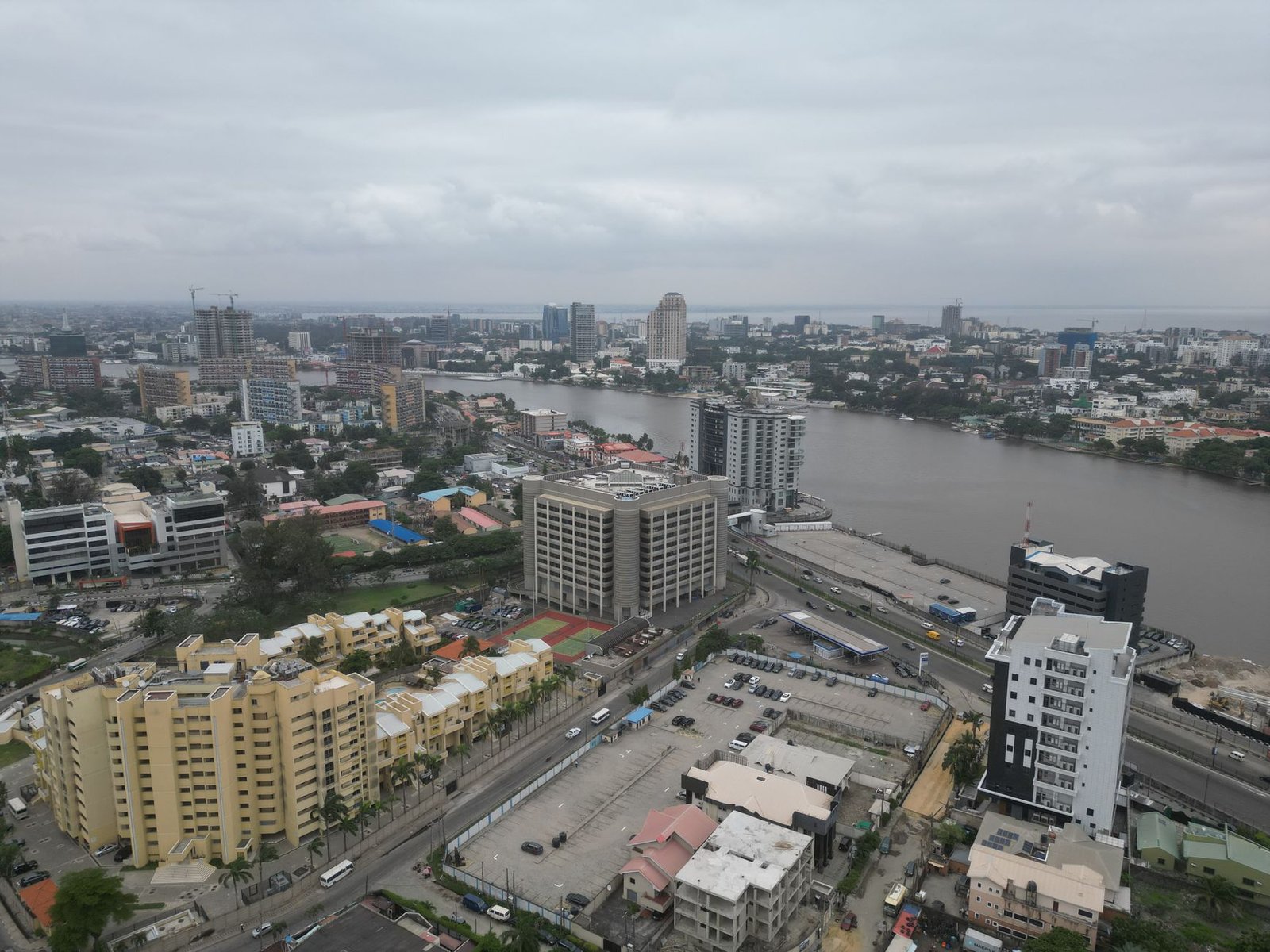
Photo by Taiwo Samson
How Lagos Weather Affects Your Travel Plans
Forecasts are interesting. Your departure time, boat ticket, and beach plans are what actually change. This is where the climate report turns into real decisions: when you leave, whether you wait, and what you ask before you pay. Lagos rewards travelers who treat weather as part of the route, not a footnote.
Traffic, Flooding, and Your Departure Time
Rain plus rush hour is the worst combination Lagos can throw at you. Each is manageable alone; together they multiply. A 40-minute run on Ikorodu Road or the Lekki-Epe Expressway can swallow two hours when afternoon downpours flood lanes and every commuter moves at once. Apapa routes, already choked with truck traffic, lock up even faster in standing water.
The fix is simple and cheap. Check the forecast on the morning of travel, not the week before. If heavy rain is in the morning forecast, add at least one extra hour to every drive and shift your departure earlier. If storms look certain, move the trip. And follow the rule that saves lives here: never drive through water you can’t see the surface of.
Ferry Schedules, Beach Days, and Outdoor Activities
Boats are the most weather-sensitive part of any Lagos trip. Heavy rain and rough lagoon water delay or cancel transfers to Tarkwa Bay and other island beaches, and schedules thin out without warning. Ask the operator three questions before you board: what happens if the trip is canceled, whether your ticket carries a refund or reschedule, and how they’ll notify you.
Swimming has its own rules. The Atlantic along Lagos runs strong currents, and it gets rougher after storms. Stay where lifeguards and other swimmers are, and stay out of the water at night or right after heavy rain. On Tarkwa Bay, the sheltered lagoon side stays calm enough for kids, while the ocean side is for confident swimmers only. Confirm the return boat time before you commit; getting stranded at dusk is a mistake you only make once.
Best Time to Visit Lagos for Your Kind of Trip
There is no single best month for Lagos. There is only the best month for what you came to do. A beach traveler and a business visitor trade off different things, and the calendar treats them differently. Here’s the honest match-up.
| Trip Type | Best Time | What You Trade Off |
|---|---|---|
| Beach trips | November to March | Cooler harmattan haze; water can be choppy |
| Cultural tours | November to March | Higher heat, but reliable travel days |
| Business travel | January to October, midweek | Avoid December’s rate spikes and traffic |
| Felabration | October | Rainy season delays, bigger crowds, higher rates |
| Detty December | Late November to early January | Peak prices, packed venues, heavy traffic |
Beach and outdoor plans hold up best in the dry months, when boat transfers and beach roads run on schedule. Cultural tours benefit from the same window; daytime visits to galleries and museums are low-risk year-round, but drier roads mean fewer delays. Business travelers should aim midweek outside December and Easter, when hotel demand spikes and flights full of late-arrival guests push rates up. Felabration lands mid-October, so pack for rain and book Ikeja rooms early that week. Detty December is its own animal, and it deserves a closer look.
Should You Travel During Detty December?
From late November through early January, Lagos runs at full volume. Concerts, parties, weddings, and homecoming flights fill every venue and every road. The city is genuinely at its best, if you like a city that never sleeps.
The cost is real. Hotel rates can jump 50% or more from their February levels, and venues book out weeks ahead. Traffic runs heavier than usual, especially around event clusters on the Island.
If you’re coming, book accommodation and flights by October. Add buffer time to every movement, and reserve tables and tickets in advance. The reward for that planning is Lagos at its liveliest, and many travelers think it’s worth every naira.

Photo by David Iloba
What to Pack for Lagos Weather, Season by Season
A smart Lagos bag is small, but it has to cover two threats: sun and sudden rain. The good news is that the same core kit works almost year-round. You adjust a few items depending on whether you arrive in the dry months or the wet ones. Here’s how your bag changes by season.
Dry Season Packing (November to April)
The dry months are forgiving, but the sun is not. Think breathable light clothing in cotton or linen, comfortable walking shoes with grip, and a hat, sunscreen, and sunglasses. Harmattan dust from December to February can dry out your skin and throat, so add lip balm and moisturizer, plus a light layer for cooler mornings. Water stays non-negotiable; a reusable bottle saves you buying sachets all day. Insect repellent matters less in these months but keep a small bottle if your evenings run outdoors.
Rainy Season Packing (May to October)
Rain changes the kit. Your compact umbrella becomes the single most useful item you own, and a light rain layer beats a bulky jacket in Lagos humidity. Choose footwear that dries fast and grips wet pavement; flooded gutters and slick tiles are real hazards. A power bank matters more now, because charging points and network coverage drop when storms roll in. Insect repellent earns its place too, since mosquitoes thrive in standing water. Keep your phone and any valuables in a dry bag or zipped pocket.
The Cash Rule (Every Season)
One item never leaves your bag, whatever the month: cash in small notes. Beach gates, parking attendants, boat operators, and market vendors are largely cash-first, and card machines fail more often than you’d expect. Bring more than the day should cost, broken into ₦500 and ₦1,000 notes. One dress note: religious sites and upscale evening venues expect modest, smart attire, so confirm the dress code before you book and pack one outfit that covers it.
Common Weather Mistakes Travelers Make in Lagos
Most weather problems in Lagos trace back to the same five habits. Here they are, with the fix for each.
- Ignoring the rainy season. From May to October, flash flooding can close the routes you counted on. Plan buffers from May onward.
- Checking forecasts a week early. Screenshots go stale. Look at the forecast on the morning of travel instead.
- Budgeting only the base fare. Entry fees, food, and the ride home stack up. Price the whole day, and carry extra cash.
- Driving through water of unknown depth. If you can’t see the road surface, don’t enter. Turn around.
- Leaving mid-morning. A 9 a.m. start meets both traffic and heat. Leave between 4:30 a.m. and 6 a.m. instead.
How to Check Lagos Weather Before You Go
A forecast from last week is worthless by travel day. Lagos weather moves fast, and a sunny screenshot from Tuesday tells you nothing about Friday’s flooding risk. Check conditions the same morning you leave, then build your plan around what you actually see.
Use the Right Forecast Sources
Start with the Nigerian Meteorological Agency (NiMet), which publishes daily forecasts and seasonal climate predictions for the whole country. Its seven-day outlook shows where heavy rain will land and when.
Lagos State also releases a seasonal rainfall prediction each year, and the 2026 edition projected above-normal rainfall. That kind of document helps you plan a month ahead, not a morning. For hour-by-hour calls, standard apps like Google Weather, AccuWeather, or Windy work well for Lagos. Cross-check two sources when a big plan is at stake, like a boat transfer or an early interstate departure.
Make It a Travel-Morning Habit
Here’s the routine that keeps you ahead of the rain:
- Open a forecast app when you wake up, before you commit to a departure time.
- Look at rain timing, not just rain chance. A 60% chance at 4 p.m. may not touch your 7 a.m. drive.
- Add a buffer hour if heavy rain is likely, and shift earlier if it lines up with rush hour.
- Confirm your route afterward. Flooded lanes on the Lekki-Epe Expressway, Ojota, or Mile 2 change everything.
A forecast checked on Tuesday is a guess by Friday. Check the morning of travel, every time.
Weather planning pairs naturally with route planning. Our Lagos transportation guide covers how each corridor behaves in bad weather, so you can match your departure time to both the sky and the traffic.
Frequently Asked Questions
These are the questions readers still ask after planning around Lagos weather. Short answers, straight up.
Can I still visit Lagos during the rainy season?
Yes. Rain rarely lasts all day; most of it falls in heavy afternoon bursts. Plan outdoor activities for mornings, add buffer time to every drive, and confirm boat schedules the day you travel.
What month has the least rain in Lagos?
January is usually the driest month, followed closely by December and February. Expect hazy harmattan air in those months, but roads and boat schedules stay reliable.
Does rain cancel beach trips in Lagos?
Light rain rarely closes a beach, but heavy weather pauses water sports and roughens the Atlantic surf. Check the beach’s official page that morning and ask about refunds when you buy your ticket, not after the rain starts.
Is harmattan a problem for travelers?
Usually mild. The dusty haze can bother your throat and skin, and early flights occasionally shift when visibility drops. Pack moisturizer, lip balm, and a light morning layer.
How early should I leave to beat rain and traffic together?
Between 4:30 a.m. and 6 a.m. if your trip goes beyond your neighborhood. That puts you past the worst of the morning rush before downpours flood lanes around Ojota, Ajah, and Mile 2.
Do I need to reconfirm bookings when weather looks bad?
Always. Fares, ferry times, and venue hours change fast, and old screenshots go stale. Contact the operator through its official channel on travel day and get the updated plan in writing.
Conclusion
Lagos rewards travelers who plan around the weather instead of against it. Pick the season that fits your priorities, check the forecast on the morning of travel, and leave buffer time for traffic and rain. That single habit beats every other tip in this guide.
If you’re heading out during the wet months, book boat transfers with a clear reschedule policy and carry more cash than the day should cost. If you’re coming in December, lock in your accommodation early.
Want help with the rest of your trip? The LagosMove guides on getting around Lagos cover BRT, ferries, ride-hailing, and airport transfers, so your routes hold up in any season.



Leave a Reply