Here’s the short answer: to travel into or out of Lagos, you need a valid ID or passport, the right visa or ticket, proof of where you’re staying, and enough money to cover your trip. That’s it at the core.
Nigerian citizens need a government-issued ID for domestic flights and a passport for international ones. Foreign visitors need a passport with a valid visa, plus accommodation details and proof of funds at immigration.
The details are where people slip up. One wrong letter in a name, an expired passport, or a missing hotel address can hold you up at check-in or the immigration desk. This guide, from LagosMove, an independent information platform (we’re not an operator or booking agent), walks you through every requirement step by step. Start with the documents list below.
Key Takeaways
- Nigerians flying domestically need a valid government ID (national ID, passport, driver’s license, or voter’s card) that matches the name on the ticket exactly.
- International travel from Lagos requires a passport valid for at least six months, the correct visa, and proof of accommodation or funds at immigration.
- Nigerian citizens enter Ghana visa-free under ECOWAS rules, but you must still carry your Yellow Fever vaccination card with your passport.
- Keep your ID, ticket, medication, and money in hand luggage, never in a checked bag.
- Confirm terminal, gate, and check-in cutoffs with your airline before travel day, and leave generous buffer time for Lagos traffic.
Lagos Travel Requirements at a Glance
Here’s the whole list before we get into details. What you need depends on who you are and where you’re going, but it all fits on one page. Nigerian residents flying within the country need a valid government ID and a ticket. International travelers need a passport, a visa if required, proof of accommodation, and evidence of funds. That’s the core. Everything else is confirmation and timing.
Quick checklist you can copy:
- Passport valid for at least six months (international) or a government ID (domestic)
- Visa for foreign visitors, or an e-visa approved before departure
- Confirmed ticket with your name spelled exactly as it appears on your ID
- Address and confirmation of where you’re staying
- Cash or a bank card showing you can cover the trip
- Yellow Fever vaccination card for cross-border and many international trips
Foreign visitors should pay attention to the visa route. Nigeria now runs an e-visa application system through the Nigeria Immigration Service, alongside visa-on-arrival for eligible nationals. Rules and eligibility shift, so verify your category on the official portal before you book anything. Don’t rely on a blog post (including this one) as your final word on visa policy.
One rule catches almost everyone: the name on your ticket must match your ID letter for letter. “Emeka” on your passport won’t fly next to “Emmanuel” on a ticket. Check the spelling at booking, not at the airport.
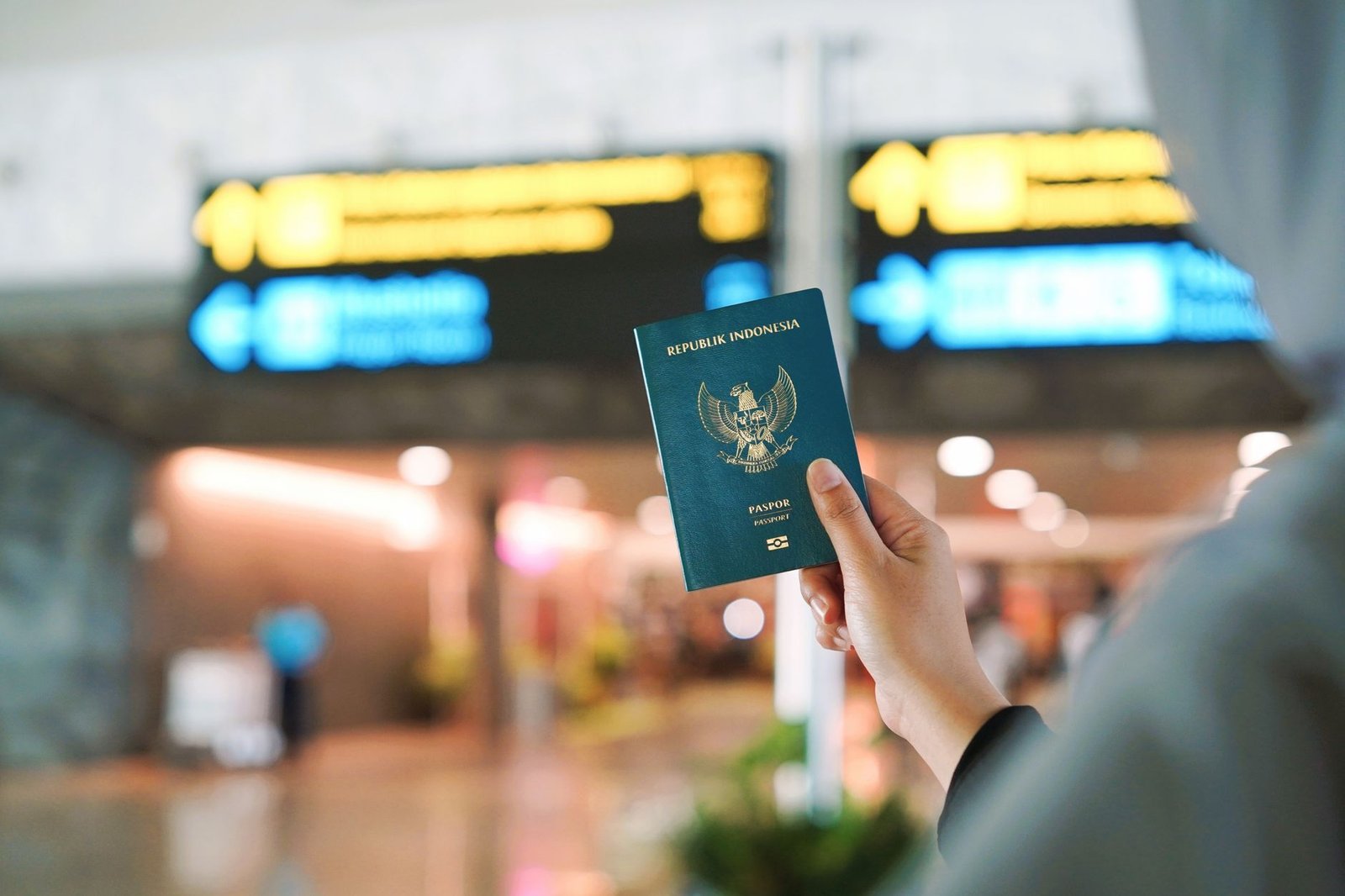
Photo by Yazid N
Keep every one of these documents in your hand luggage. A passport in a checked bag is a problem you created for yourself.
What Documents Do You Need for Travel to Lagos?
The document you carry depends on who you are and how you’re arriving. A British tourist flying into MMIA needs very different paperwork from a Nigerian flying Lagos to Abuja. Get this part right first, because everything else in your trip builds on it. Here’s the breakdown by traveler type.
International Visitors: Passports, Visas, and Entry Rules
Start with your passport. It should be valid for at least six months beyond your travel dates, and it needs to be in good condition. A water-damaged or torn passport can get you refused at the border, and airlines can deny boarding before you even leave home.
Next is the visa. Nigeria runs an e-visa system through the Nigeria Immigration Service, plus visa-on-arrival for eligible nationalities. Apply before you fly. The approval comes by email, and you should print it or save it offline, because airport Wi-Fi has a habit of failing when you need it most.
Be ready for a few extras at immigration:
- A Yellow Fever vaccination certificate, especially if you’re arriving from an endemic country
- An onward or return ticket
- Proof of funds or a hotel booking
- The address where you’re staying in Lagos
Rules change without much notice, so confirm your category on the official portal and with your airline before booking. Don’t rely on forum advice from 2023.
Nigerian Citizens and Domestic Travelers
Flying within Nigeria is simpler. You need one valid government ID: national ID card, international passport, driver’s license, or voter’s card. The name on that ID must match your ticket letter for letter. Check-in staff will verify it, sometimes twice.
Interstate bus travel is more relaxed. Most operators don’t ask for ID, just a confirmed ticket and your booking reference. Keep that reference saved offline on your phone, because mobile data fails at the worst moments. A screenshot of your e-ticket and payment receipt settles any argument at the counter. A forwarded screenshot from someone else doesn’t.
Business Travelers, Expats, and Minors
A tourist visa won’t cover business meetings or contract work. Business travelers need a business visa, and anyone taking up employment in Nigeria needs a work permit and residence documentation. Companies hiring foreign staff also work within expatriate quota rules administered by immigration authorities, so confirm the current requirements with the Nigeria Immigration Service before you commit to anything.
Minors carry extra paperwork. If a child is traveling with one parent, immigration may ask for a birth certificate and a consent letter from the absent parent. Carry both, especially on international routes. Families flying domestically should also bring proof of age for infants, since airlines charge reduced fees for children under two on an adult’s lap.
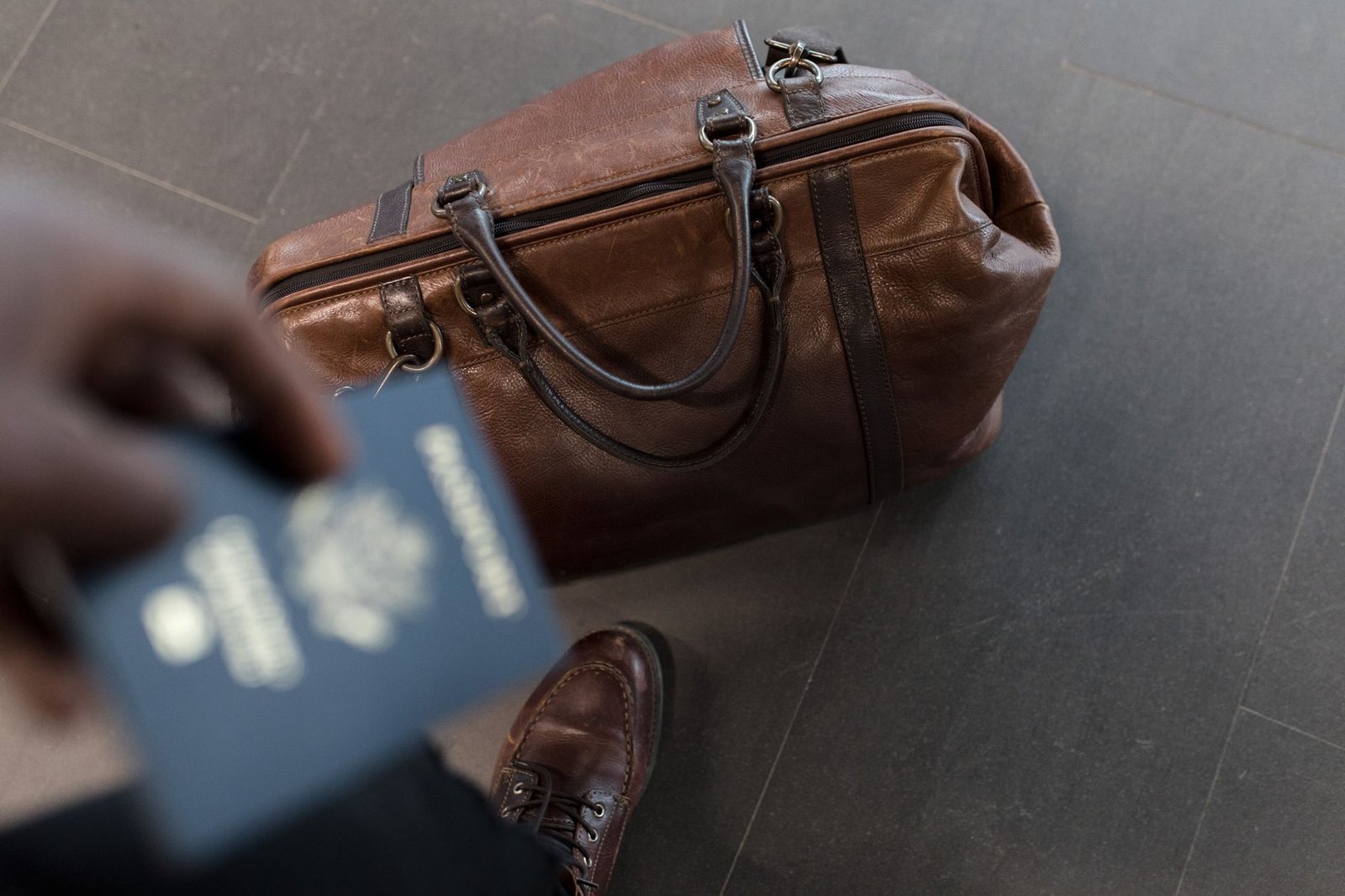
Photo by nappy
One habit covers every traveler type here: verify first, pay second. Confirm your documents against the official source for your route, then book.
Getting Into Lagos: Airport, Road, and Ferry Entry Points
Lagos has three main doors: the airport in Ikeja, the road borders in the west, and the lagoon and port routes. Each one checks different documents, so know your entry point before you travel.
Arriving at Murtala Muhammed Airport
Landing at MMIA? Immigration comes first. Have your passport, visa or e-visa approval, and Yellow Fever card ready. Some international counters now use e-gates, but officers still direct most arrivals to a desk. Collect your bags, then clear customs before you reach the arrivals hall.
Book domestic flights with your terminal in mind. Murtala Muhammed is four buildings, not one: the international terminal (MMIA), the older MMA1, the standalone MMA2, and the General Aviation Terminal. Your airline booking decides which one you use, not your guess. Confirm the terminal with your airline before travel day, because assignments shift with construction and relocations.
Crossing Into Lagos by Road
Driving in from Ghana, Togo, or Benin Republic means checkpoint after checkpoint. ECOWAS citizens can use an ECOWAS travel certificate or passport, but carry your ID inside the vehicle, not in the boot. Officers at Seme and Idiroko will ask for it.
Expect three checks on the route: exit immigration in the country you’re leaving, entry immigration into Nigeria, and customs at the border post. Vehicle papers matter too, so drivers should carry registration and insurance. Keep documents in a folder within arm’s reach. Verify current border requirements with the Nigeria Immigration Service before you set out, since rules and operating hours change.
Coming In by Ferry or Sea
International arrivals by sea clear passport control at the port, same as the airport. Crew and passengers show passports and any required visas before stepping onto Lagos soil.
Domestic ferry users have it easy. On the Lagos lagoon routes, you just need a ticket from the operator and your regular ID if asked. Buy through official channels like LagFerry, keep the receipt on your phone, and confirm departure times that morning, since weather can shift schedules fast.
Money, Health, and Safety Requirements Travelers Often Miss
Passports and tickets get all the attention. What actually strands travelers at Murtala Muhammed is the boring stuff: cash that won’t work, a missing Yellow Fever card, or a booking paid into the wrong account. None of these take long to fix in advance. All of them are painful to fix at the terminal.
Cash, Cards, and Currency Rules
Nigeria is still a cash-heavy country, and Lagos rides on the naira. Cards work in hotels, supermarkets, and bigger restaurants, but street food, okada, keke, and plenty of taxi drivers want cash. POS failures and network downtime are normal, not the exception, so a card-only plan will fail you at the worst moment.
Carry a sensible mix. Keep small naira notes (₦100, ₦200, ₦500) for transport and tips, because nobody has change for ₦5,000 at 6 a.m. Pack a backup card on a different network than your main one, and keep some US dollars or pounds for emergencies.
One rule catches visitors coming through customs. Large amounts of currency, declared by Nigeria’s Central Bank (CBN) guidance, must be declared when entering or leaving the country. Check the current threshold on the CBN website before you fly, because the figure changes. A declaration takes minutes; an undeclared wad of cash can cost you the whole amount.
Health Certificates and Vaccinations
The Yellow Fever card is the one document immigration officers and health screening desks actually ask for, especially if you’re arriving from an endemic country. Get vaccinated at least ten days before travel so the certificate is valid, and keep it with your passport, not in a checked bag. Nigerian citizens traveling internationally need it too.
Malaria is a year-round reality in Lagos. If you’re visiting, ask your doctor about prophylaxis before you fly, and pack repellent. If you’re staying longer, think about travel or health insurance that covers private hospitals in Ikeja and on the Island, where most expats and business travelers end up.
Safety Checks Before You Set Out
Most Lagos airport losses come from one skipped step: confirming who you’re paying before your money moves. Our booking safety guidance boils down to a short checklist you can run in ten minutes the night before travel:
- Confirm your exact terminal (MMA1, MMA2, or international) with your airline, not just “Lagos airport.”
- Save your booking reference, ticket, and driver contact offline, plus a screenshot for weak networks.
- Share the terminal name and a nearby landmark with your driver. “Send me your location” beats a street name guess every time.
- Pay only through official channels. Never send money to a personal bank account, and treat a forwarded screenshot as worthless proof.
- Decline anyone at arrivals offering rides or demanding a fee “for FAAN.” The airport authority doesn’t collect money that way.
- Keep your phone, wallet, ID, and medication in hand luggage, not the boot.
Run that list in order and the arrivals hall loses its surprises. A ten-second plate check and a saved booking reference prevent more trouble than anything else you’ll do today.
How to Prepare for a Smooth Trip to Lagos
Documents get you in. Preparation gets you moving. Lagos rewards travelers who plan the boring parts in advance, because traffic, weather, and queues punish anyone who leaves things to the last minute. Work through this section in order and you’ll arrive ready.
Build Your Timeline Backwards
Start from your departure or arrival time, then work backwards. If your bus reports at 5:30 a.m. and you’re coming from Lekki or Victoria Island, you may be crossing to the Mainland in the dark. A drive that takes 40 minutes at midday can stretch past two hours during rush hour, and rain makes it worse.
Leave generous buffer time for traffic, rain, road works, and public holidays. Aim to reach an interstate terminal 60 to 90 minutes before a busy departure, and add more on weekends or school breaks. Flying? Give yourself at least 90 minutes for domestic flights and more for international ones. Avoid tight appointments during Lagos rush hours entirely.
Run a Final Check the Night Before
The night before travel, spend ten minutes on verification. Confirm the exact terminal, park, gate, and reporting time through your operator or airline, because old screenshots and forwarded messages go stale fast. A ticket that only says “Lagos” settles nothing.
Then pack with intention:
- Charge your phone fully and pack a power bank.
- Keep ID, cash, medication, charger, ticket, and booking reference in hand luggage.
- Screenshot your e-ticket and receipt for weak network moments.
- Save your driver or operator contact offline.
Pay only through official channels, never a personal bank account, no matter how attractive the fare looks. Confirm fares, luggage rules, and rescheduling terms before money moves, then keep every receipt and booking reference until the trip ends.
One last habit that saves the most trouble: reconfirm the key details on travel day itself. Routes, pickup points, and schedules change, and a two-minute check beats a wasted trip across Lagos any morning.
Frequently Asked Questions
You’ve read the full guide. These are the questions travelers still ask right before travel day, answered short and direct. Rules and airline policies change, so confirm live details with your airline or the Nigeria Immigration Service before you move.
Can I check in online for a Lagos to Abuja flight?
Some airlines offer it and some don’t, and the rules shift by route. Check your airline’s app or website before travel day. Treat any e-boarding pass as a supplement, because you’ll still pass through physical ID and security checks at the terminal.
What ID do I need to fly domestically in Nigeria?
One valid government ID is enough: national ID card, international passport, driver’s license, or voter’s card. The name on the ID must match your ticket exactly, letter for letter. Carry the same ID you used when booking, because check-in staff will verify it.
What happens if my flight is delayed or canceled?
Call the airline’s published support line first, not the agent you booked through. Ask for rebooking options in writing, and keep your booking reference and payment receipt until the matter closes. If the delay stretches overnight, ask about accommodation; policies vary by carrier and fare class.
Are cheaper tickets harder to change?
Yes, usually. Lower fares often carry stricter change fees and shorter reschedule windows, so read the conditions before you pay. If your plans are still fluid, a slightly higher fare with flexible terms can cost less overall than one expensive change.
Is December a safe time to book Lagos to Enugu?
The route itself is reliable, but December is the busiest season on eastern corridors. Seats sell out weeks ahead and fares climb as availability drops. Book early, confirm your departure terminal, and expect fuller airports than usual.
Can I send parcels ahead without flying myself?
Some airlines and couriers accept unaccompanied parcels on domestic routes, and several operators run cargo services alongside passenger flights. Ask about weight limits, packaging rules, and pickup arrangements before you hand anything over, and label larger items with your name and phone number.
Conclusion
Lagos entry is simpler than most people fear. Once your documents are in order, the rest is timing and confirmation.
Carry three things: a valid ID or passport, the correct visa or ticket for your route, and confirmed travel details saved offline. Match your ticket name to your ID letter for letter, pay only through official channels, and reconfirm your terminal on travel day.
For the next steps, our Lagos bus terminals guide helps you pick the right departure point, our fare guides cover current routes, and our airport transfer guide walks you through pickups at MMA1, MMA2, and the international terminal. Sort the documents early, and Lagos moves on your schedule.



Leave a Reply