You board a danfo at Ikorodu Garage, and the fare the conductor calls out is nothing like the one you remembered. That gap is normal. Danfo fares on Lagos roads move with fuel prices, traffic, time of day, and demand, and no official body publishes them. This guide breaks down what danfo fares actually cost, corridor by corridor, on Agege Motor Road and Ikorodu Road. Fares change often, so treat every figure here as a planning range and confirm the current price at the park before you board.
Key Takeaways
- Danfo fares on both corridors are charged per leg, not per route, so your total depends on where you join and drop.
- LAMATA’s March 2026 fare table (13% increase effective March 2, 2026) regulates BRT and BRI buses, not danfos.
- Use BRT prices, such as Ikorodu to TBS at ₦960, as a benchmark for what the corridor should cost.
- Night rides after about 8 p.m., rain, and fuel spikes push informal fares above their daytime level.
- Budget for the full journey, including first and last connections, not just the main leg.
What Sets Danfo Fares on Agege and Ikorodu Road
There is no single fare for either corridor. Danfo pricing depends on the stretch you ride, the hour, fuel costs, and how many passengers are competing for the same vehicle. Regulated buses follow published tables; danfos do not.
LAMATA publishes route-based fares for BRT and standard BRI services. Its March 2026 table, effective March 2, 2026 after a 13% increase, lists Ikorodu to Mile 12 at ₦450 and Ikorodu to TBS at ₦960. Those figures bind regulated operators only. Danfo drivers treat such adjustments as a signal and often revise informal fares on the same corridor within days.
Follow one rule at the park: agree the fare before you board, and ask other passengers if the quoted price sounds inflated. A driver cannot renegotiate a fare you confirmed at the door.
How Danfo Pricing Works Corridor by Corridor
Danfo fares are charged stop to stop. A ride from Ojota to Maryland prices differently from a full run from Ikorodu Garage to TBS, even on the same vehicle. The conductor collects per leg, so each additional stop adds another charge.
Short drops cost proportionally more per kilometre. Three short legs on one corridor can total more than a single longer BRT ride covering the same distance. Plan around this when your journey needs two or three transfers.
The conductor sets the working price at the loading point. He calls the fare, collects payment, and adjusts for demand. When vehicles are scarce or rain slows loading, the call changes within minutes.
The Real Cost Pieces: Base Fare, Night Rates, and Extras
Every danfo trip carries four possible charges. Know each one before you budget.
- Base fare for the leg, quoted per passenger at the loading point.
- Night rates after about 8 p.m., when buses thin out and drivers raise the ask.
- Rain and fuel surcharges, applied informally when weather stalls traffic or petrol prices climb.
- Luggage charges for oversized bags, negotiated separately from the seat fare.
Keep small naira notes ready. Conductors rarely give change for large notes quickly, and waiting for ₦1,000 in change at a busy park wastes more time than the fare itself.
Ikorodu Road Danfo Fares by Corridor: What Each Leg Costs
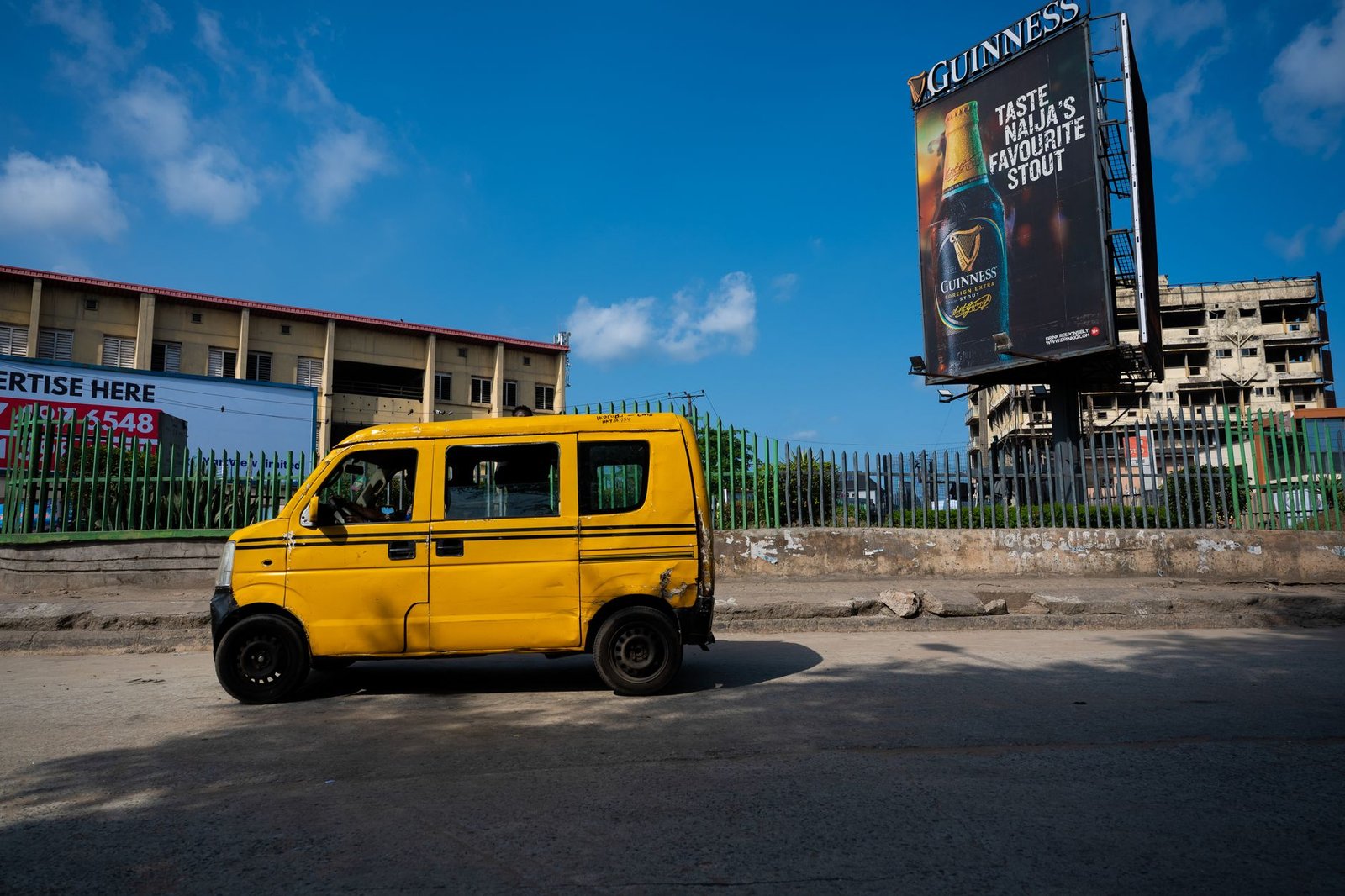
Photo by Omotayo Tajudeen
Ikorodu Road runs from Ikorodu Garage through Mile 12, Ketu, Ojota, and Yaba toward TBS and CMS. Danfo fares float around the regulated BRT benchmark on the same corridor. On LAMATA’s March 2026 table, the BRT charges ₦450 from Ikorodu to Mile 12 and ₦960 from Ikorodu to TBS, so treat those figures as the floor for the equivalent danfo stretch.
Use these planning ranges for the common legs:
| Leg | Typical danfo range (daytime) |
|---|---|
| Ikorodu Garage to Mile 12 | ₦400 to ₦700 |
| Mile 12 to Ketu | ₦150 to ₦300 |
| Ketu to Ojota | ₦200 to ₦400 |
| Ojota to Yaba | ₦300 to ₦600 |
| Yaba to TBS or CMS | ₦200 to ₦400 |
A full-route danfo ride from Ikorodu Garage to the Island usually totals more than the ₦960 BRT fare once the legs accumulate. The ranges shift with fuel prices and demand, so treat them as baselines rather than quotes.
Mile 12 to TBS: Leg-by-Leg Ranges and Where Fares Jump
Fares on this stretch climb at three predictable points. Mile 12 junction holds traffic most mornings, and drivers factor the delay into the ask. Ketu market days crowd the loading points and shorten supply. The final stretch into Lagos Island passes through Yaba and CMS traffic, where conductors quote their highest daytime figures.
Compare two approaches before you commit. A full danfo ride from Mile 12 to TBS typically runs ₦700 to ₦1,200 in daytime traffic and can take well over an hour at peak. A BRT on the same corridor charges a published fare and uses dedicated lanes, then you complete the connection by danfo or keke. The mixed option often costs the same or less and moves faster, especially between 6:30 a.m. and 9:30 a.m.
Agege Motor Road Danfo Fares: Agege to Oshodi and Beyond
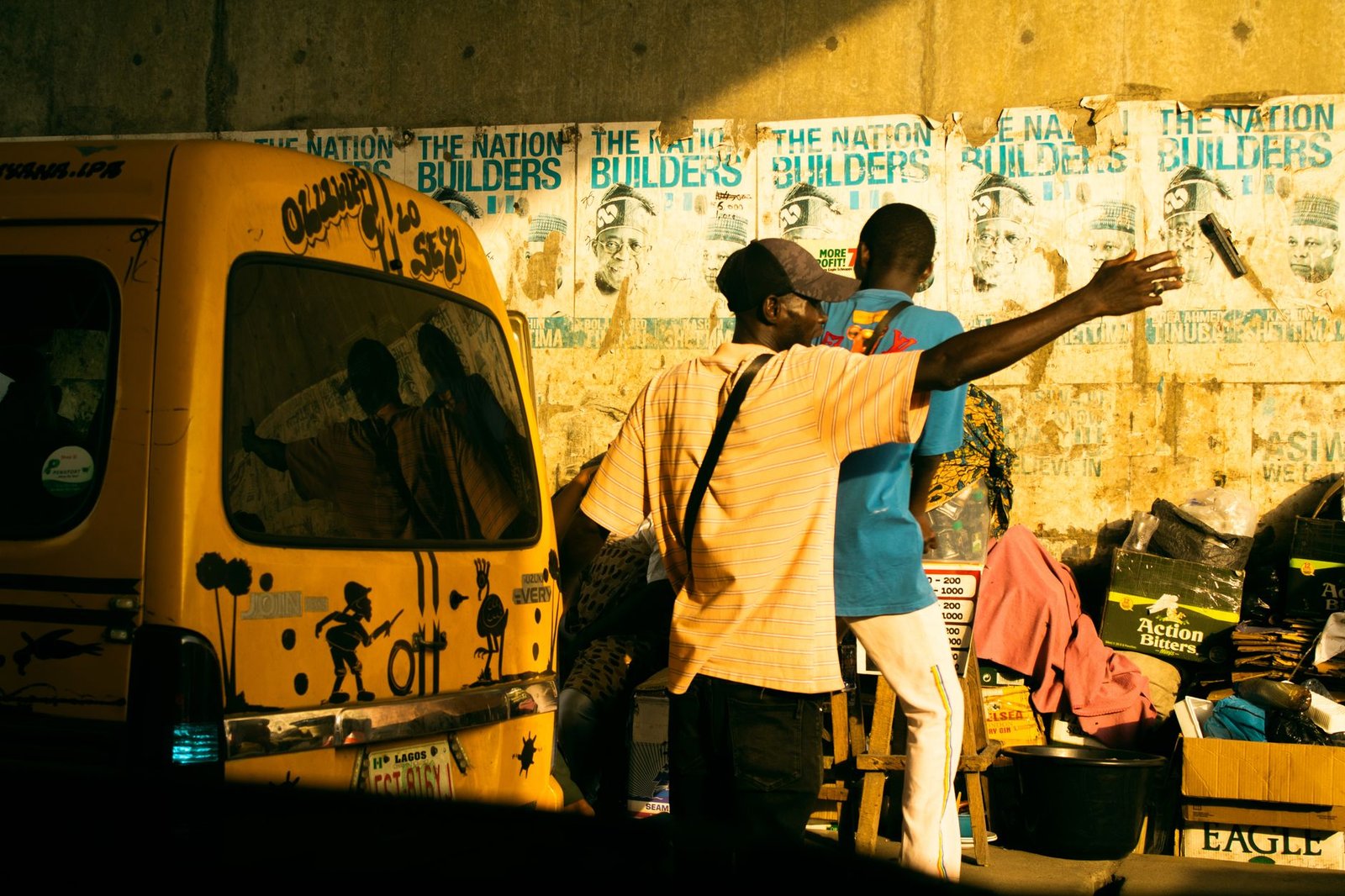
Photo by Ademola Adeola
Agege Motor Road carries traffic from the Lagos-Abeokuta Expressway end through Agege, Oshodi, and toward Ikeja and the mainland connectors. Two choke points set the pricing pattern: the Abule Egba interchange and the Oshodi loop. Congestion at either end pushes both fares and travel time up at peak hours.
Use these planning ranges for the common legs:
| Leg | Typical danfo range (daytime) |
|---|---|
| Agege to Oshodi | ₦300 to ₦600 |
| Oshodi to Ikeja | ₦200 to ₦400 |
| Ikeja to Maryland | ₦200 to ₦400 |
| Maryland to Yaba or Ojota connectors | ₦300 to ₦600 |
For comparison, LAMATA’s March 2026 list prices the BRT at ₦680 from Oshodi to Abule Egba and ₦1,080 from Abule Egba to CMS or TBS. Danfo pricing on parallel legs sits close to those figures at peak and drops below them mid-morning.
Peak-Hour Pricing on Agege Motor Road
Budget roughly 30% to 50% above the daytime ranges for trips between 6:30 a.m. and 9:30 a.m. or 4:30 p.m. and 8:00 p.m. Oshodi’s interchange alone can add 30 to 60 minutes at those hours, and conductors price the delay into the fare. If your schedule allows, ride between 10 a.m. and 3 p.m. and pay closer to the base figures.
When a Danfo Beats the BRT or Rail on These Routes
Pair a regulated service for the long stretch with a danfo for the last leg. The Red Line rail corridor runs about 27 kilometres between Agbado and Oyingbo, so it suits trips with stations at both ends. The BRT serves the Agege and Ikorodu corridors on dedicated lanes with published fares and Cowry Card payment.
Choose a full danfo ride in three cases. Carry luggage, travel late at night after BRT hours (listed as 6:00 a.m. to 10:00 p.m. on LAMATA’s named corridors), or need a direct route with no transfers. In each case, the higher danfo fare buys fewer stops and a shorter total journey time.
Run the numbers on the whole trip, not one leg. A ₦400 danfo from Ikeja to Maryland plus a ₦600 leg to Yaba can cost less than one regulated ride plus two paid connections, or cost more. Only the full-chain total answers the question.
How to Cut Your Commuter Costs on Both Corridors
Apply five practices and your monthly spend drops without changing your route.
- Travel outside the 6:30 a.m. to 9:30 a.m. and 4:30 p.m. to 8:00 p.m. rush windows whenever your schedule allows.
- Keep small naira notes so you pay the agreed fare without waiting for change.
- Confirm the fare with fellow passengers before boarding; the queue knows the current price better than an old list.
- Use a Cowry-funded BRT or rail ride for the longest leg, then a danfo for the connection.
- Budget for the full journey, including the walk, keke, or first danfo at both ends.
Track your weekly spend for one month. The total reveals which corridor and hour combination actually costs you the least, which is rarely the option that looked cheapest per leg.
Which Corridor Costs You Less for the Same Trip
Comparing corridors fairly requires matching distance, service type, and connections. A cheaper leg on Ikorodu Road can cost more in total if it forces two transfers, while a pricier direct danfo on Agege Motor Road can undercut the combined fare of a BRT ride plus a keke plus a second danfo.
Measure three things for each option: the sum of every leg, the waiting time at each transfer point, and the walking distance at both ends. The lowest total, not the lowest base fare, is your real commuter cost. On most days, a regulated service for the long haul plus one informal connection wins on both corridors; on late nights and luggage days, the full danfo ride wins.
Frequently Asked Questions
Do danfo fares change during the day?
Yes. Base fares apply for most of the day, then night rates start after about 8 p.m. Rain and fuel price spikes add further informal charges. Ask the conductor the fare before you board, at any hour.
Is the Cowry Card valid on danfos?
No. The Cowry Card covers regulated services such as BRT buses, BRI routes, and the Blue and Red Line trains. Danfo conductors collect cash only, so carry naira notes for the informal legs of any journey.
Why does a short danfo trip sometimes cost more per kilometre than a long one?
Conductors charge per leg, and short legs carry the vehicle’s fixed cost across fewer passengers and fewer kilometres. Three short hops on one corridor often total more than a single longer ride covering the same road.
How do the March 2026 fare increases affect danfo fares?
The 13% increase effective March 2, 2026 binds BRT and BRI services only. Danfo drivers set their own prices, but they typically adjust upward within days of a regulated increase, using the published table as a reference point.
What is the cheapest way to travel from Ikorodu to Lagos Island?
Ride a BRT for the main corridor leg, where the published fare runs ₦960 from Ikorodu to TBS on the March 2026 table, then complete the final connection by danfo or keke. The mixed option usually beats a full danfo ride on both price and time.
How much should I budget daily for commuting on these two corridors?
A round trip with one transfer each way typically falls between ₦1,500 and ₦3,000 in daytime conditions, depending on your legs and the hour. Add 30% to 50% for peak-hour or night travel, and keep a small buffer for rain.
Conclusion
Danfo fares on Agege Motor Road and Ikorodu Road are route-based, leg-based, and moving. Fuel prices, traffic, rain, and the hour all shift what a conductor quotes, and no official table covers them. Use the BRT fares on the same corridor as your benchmark, budget for the full journey rather than one leg, and agree the fare before you board. Treat this corridor breakdown as your planning baseline, keep a small buffer for fare changes, and the daily ride stops eating your budget by surprise.


Leave a Reply