The best time to visit Lagos is the dry season, roughly November to March. Rain is lighter, roads behave better, and beach days actually go to plan.
The rainy season, from about May to October, is a different story. Heavy downpours and flash flooding can stall traffic on the Lekki-Epe Expressway and around Ojota for hours, so a simple outing can swallow half your day.
Timing in Lagos is about more than weather, though. It shapes your traffic, your crowds, your hotel bill, and which festivals you catch. Below, you’ll find a clear month-by-month breakdown, plus practical advice on when to leave home, when prices spike, and how to plan around both.
Key Takeaways
- The dry season (November to March) is the best time to visit Lagos, with lighter rain, passable roads, and beach days that go to plan.
- The rainy season (May to October) brings flash flooding that can stall traffic on the Lekki-Epe Expressway, Ajah, and Ojota for hours; check the forecast on travel day, not before.
- December and Easter push hotel prices up sharply across the city, and fares for interstate buses climb as seats fill fast, so book early.
- Leave home between 4:30 a.m. and 6 a.m. on Saturdays to beat the rush; a 9 a.m. start can swallow your whole morning.
- Carry cash in small notes, since beach gates, vendors, and parking attendants rarely take cards.
Understanding Lagos Weather: Dry Season vs Rainy Season
Lagos runs on two weather patterns, and almost every travel decision you make here depends on which one you’re in. The dry season, roughly November to March, brings lighter rain and more predictable days. The rainy season, from about May to October, brings heavy downpours that can reshape your whole itinerary in an afternoon. Neither season makes the city unlivable, but each one demands a different plan.
The Dry Season (November to March): Why Most Travelers Pick It
This is when Lagos behaves. Beach days at Landmark, Elegushi, and Tarkwa Bay go to plan because the Atlantic stays calmer and rain rarely interrupts an afternoon. Ferries run on schedule more often, since lagoon crossings face fewer weather cancellations.
Road travel gets easier too. Flash flooding is rare, so routes like the Lekki-Epe Expressway and the Ojota corridor don’t drown in a downpour. Evenings feel comfortable, which is when the city’s waterfront spots and outdoor restaurants shine.
One thing catches visitors off guard: the Harmattan. Between December and January, dust from the Sahara drifts over the city, and hazy skies can soften your sunrise photos and irritate sensitive eyes. It’s a mild trade-off, but worth knowing before you go.
The Rainy Season (May to October): What Actually Changes
Rain doesn’t stop Lagos. It just changes your math.
Flash flooding is the big one. Heavy rain can close lanes around Ajah, Mile 2, and Ojota, adding an hour or more to trips that look simple on a map. The Atlantic surf turns rough, water sports pause, and ferry cancellations happen more often.
The fix is buffer time. Check the forecast on the morning you travel, add an extra hour to every estimate, and never drive through water you can’t see the surface of. If your dates land in this window, you’ll also find lower prices and thinner crowds, which some travelers prefer. Pack for it, and the season works.
Best Time to Visit Lagos by Month: A Practical Breakdown
Each month in Lagos has its own personality. Weather shifts, prices move, and the city’s calendar fills and empties in predictable rhythms. Here’s a quick view before we zoom into the two most eventful stretches.
| Month | Weather | Crowds | Best For |
|---|---|---|---|
| December | Dry, Harmattan haze | Peak | Festivals, beach parties, nightlife |
| Jan-Mar | Dry, hotter | Low | Beaches, sightseeing, calmer trips |
| April | Transition, first rains | Low | Budget travelers |
| May-Oct | Heavy rain | Low | Indoor culture, lower rates |
Treat the table as a starting point. Prices and rain patterns shift year to year, so confirm details for your exact dates.
December in Lagos: Festive Energy, Crowds, and Higher Prices
December is the month people love and fear in equal measure. Concerts, beach parties, and Detty December homecomings fill the city with energy you won’t find any other time. The downside is real too. Hotel rates in Ikeja and Victoria Island can jump 50% or more, traffic swallows entire mornings, and venues oversell.
If December is your window, book everything early. Accommodation, tables, and transport all fill weeks ahead. Carry more cash than usual, arrive earlier than you think you need to, and expect longer waits for rides every night of the week.
Visiting During Festivals: Felabration, Detty December, and Event Season
Lagos rewards travelers who plan around events. Felabration, held in October around Fela Kuti’s birthday, turns Ikeja into a week of nightly concerts and street parties. Expect crowds, booked-out hotels, and ride demand that spikes every night.
New Year beach events along the Lekki corridor draw huge crowds, so confirm entry details before you go. For arts and culture, venues like Terra Kulture and Nike Art Gallery run shows and exhibitions year-round.
One habit saves every festival trip: confirm lineups close to your travel dates. Schedules shift, and an old screenshot of an event poster goes stale fast.
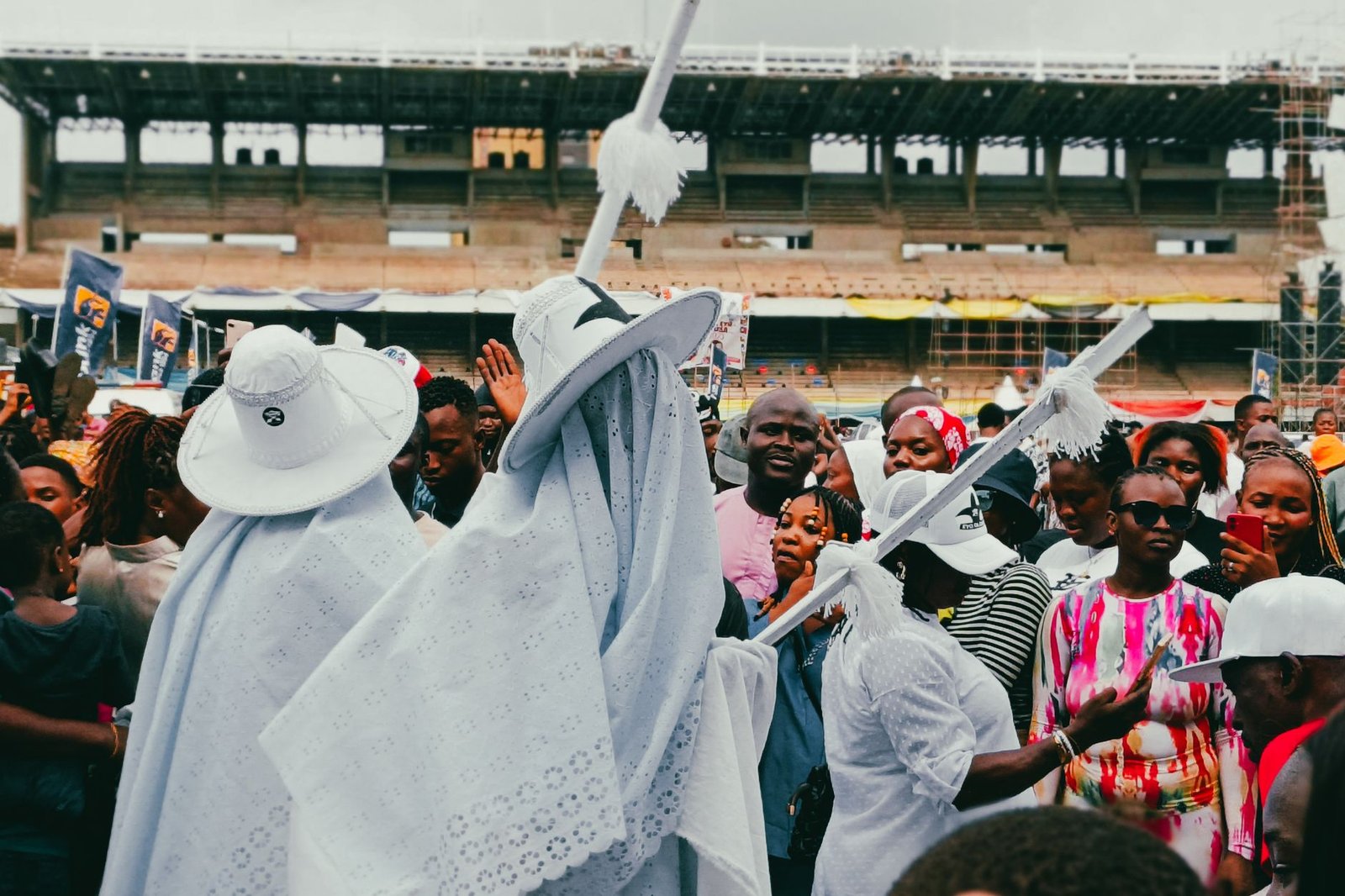
Photo by Tolulope Ogunbiyi
Choosing Your Timing by Trip Type: Beaches, Business, and Family Visits
There’s no single best time to visit Lagos, only the best time for what you’re coming to do. A beach weekend and a boardroom trip need different calendars. Match your dates to your purpose and the city works with you instead of against you.
For Beach Days and Outdoor Activities
Dry season weekdays are your best bet. Plan a Tuesday or Wednesday morning between November and March, and you get calm water at Tarkwa Bay and Ilashe, ferries that actually run on schedule, and the canopy walkway at Lekki Conservation Centre without slippery trails underfoot.
Leave early anyway. A 7 a.m. arrival puts you ahead of both the heat and the traffic on the Lekki corridor, and you’ll have the sand almost to yourself. Save Saturday for the party beaches if that’s your scene, but arrive before noon or you’ll spend your morning in a queue.
For Business Travelers
Business trips work year-round, because meetings don’t care about the weather. Traffic does the damage instead. Weekday rush runs from about 6:30 a.m. to 9:30 a.m., then builds again from 4:30 p.m. to 8:00 p.m., so schedule meetings outside those windows or on the same side of town as your hotel.
Rainy season adds another layer. A downpour can double a 40-minute airport run, so pad your transfer buffer between May and October. If your flight matters, stay in Ikeja the night before rather than gambling on a dawn crossing from Lekki.
For Family Visits and Relocation Scouting
December and the dry-season school holidays suit family visits best, since kids can actually play outside and roads mostly cooperate. The trade-off is money and queues, because December prices climb sharply and popular spots fill fast.
Scouting Lagos for a longer stay? Visit once in the rainy season too. You should see the city at its most challenging, flooded streets and all, before you commit to it.
How Traffic, Costs, and Crowds Shift With the Season
Weather is only half the picture in Lagos. The season you pick changes what you pay, how long you sit in traffic, and how many people you share the city with. Rain plus rush hour is the cruellest combination here: a downpour landing on Ikorodu Road or the Lekki corridor at 5 p.m. can double a trip that looked easy on a map. December flips the problem. The roads stay dry, but hotels in Victoria Island and Ikeja push rates up sharply, interstate bus seats sell out early, and ride-hailing fares surge every evening.
The rainy season works in reverse. Rates soften, attractions empty out, and queues shrink. You trade comfort for savings, and for many budget travelers that trade is worth it.
Here’s the comparison at a glance:
| Factor | Dry Season (Nov-Mar) | Rainy Season (May-Oct) |
|---|---|---|
| Weather | Light rain, Harmattan haze | Heavy downpours, flash flooding |
| Crowds | Peak in December, busy in Jan | Thin, shorter queues |
| Prices | Highest around December | Lower hotel and travel rates |
| Transport | Ferries and roads more reliable | Delays, cancellations, extra buffer needed |
Getting Around Lagos in Each Season
Your transport choice should follow the weather. Ferries are most dependable in the dry months, when the lagoon is calm and cancellations are rare. From May to October, treat every crossing as weather-dependent and check before you set out.
Ride-hailing hurts most when rain and December demand overlap. A surge can triple a normal fare, so time your trips or accept the hit. Airport transfers between May and October need an extra hour built in; a flooded lane near Ojota or Ajah doesn’t negotiate. For routes, fares, and terminal details, the LagosMove transportation guide breaks down your options before you leave home.
Final Planning Checklist: Before You Book Your Lagos Trip
A few minutes of preparation separates a smooth Lagos trip from a stressful one. Run through this before you pay for anything.
Your packing checklist:
- Cash in small notes, since beach gates, vendors, and parking attendants rarely take cards
- A power bank, because long traffic days drain your phone fast
- Sun protection: sunscreen, a hat, and sunglasses for the dry months
- A compact umbrella for sudden downpours between May and October
- Water shoes if your trip includes beaches like Elegushi or Tarkwa Bay
The mistakes that cost travelers the most:
- Checking the forecast a week early. Weather in Lagos shifts fast, so look again on the morning you travel and adjust your plan then.
- Budgeting only the base fare. Add terminal transport, luggage charges, food on the road, and a buffer for delays before you compare options.
- Booking through unofficial channels. Never send money to a personal bank account or trust a forwarded screenshot as proof of a ticket.
- Ignoring the return trip. A plan that works at 9 a.m. can fall apart if your journey home lands inside the 4:30 p.m. to 8:00 p.m. rush.
Timing is the whole game in Lagos. Pick your dates around the season, leave early, confirm every fare and booking close to travel day, and the city rewards you. Skip those checks and even a short outing can swallow a day. Plan around Lagos instead of hoping it cooperates, and it usually does.
Frequently Asked Questions
A month-by-month guide covers the big picture, but most trips raise a few specific questions on the way out the door. Here are the ones readers ask most, answered straight.
Is Lagos worth visiting during the rainy season?
Yes, if you plan for it. Hotel rates drop, attractions empty out, and you’ll see the city at its most honest. The trade-off is time: build an extra hour into every journey, keep outdoor plans flexible, and shift museum, gallery, and market days to wet afternoons.
How far in advance should I book a December trip?
Book six to eight weeks early, minimum. Rooms in Ikeja and Victoria Island sell out fast, interstate bus seats fill by mid-December, and prices climb as departure dates get closer. Waiting until the week of travel means paying peak rates for whatever is left.
What should I do if heavy rain hits on a day I’ve planned outings?
Shift, don’t cancel. Move outdoor stops to another day and swap in indoor options like Terra Kulture or Nike Art Gallery. Check the forecast that morning, not the week before, and add an extra hour to any drive through flood-prone corridors like Ajah, Mile 2, or Ojota.
Is Harmattan dust a problem for travelers?
It’s mild for most people. Between December and January, Sahara dust brings hazy skies and dry air, which can bother sensitive eyes or mild respiratory issues. Carry eye drops and drink more water than usual, and it won’t slow you down.
How much cash should I carry per day?
Carry more than your plan needs, in small notes. Beach gates, vendors, parking attendants, and okada riders rarely take cards, and a day that “should” cost a few thousand naira grows with entry fees, food, and the ride home. Price the whole day, then add a buffer.
Which single month gives the best balance of weather and price?
Late January through early March. The rains have stopped, the December crowds and pricing have faded, and beaches and ferries run reliably. You get most of the dry season’s benefits at a noticeably lower cost than a December trip.
Conclusion
The dry season, from November to March, is the safest bet for most visitors. Rain is lighter, roads behave, and your beach and ferry plans hold up. That said, Lagos rewards good planning in any season, so timing matters less than preparation.
Keep three levers in your hand. Pick the season that matches your purpose, whether that’s beaches, business, or Detty December. Plan around traffic and rain, especially the 4:30 p.m. to 8:00 p.m. rush and the May to October downpours. Then confirm fees, opening hours, and bookings close to travel day, since old screenshots go stale fast.
When you’re ready to plan the details, our guides on getting around Lagos, where to stay, and airport transfers cover every leg of the trip.



Leave a Reply