Yes, a logistics business in Nigeria can be profitable. Your results depend on the service you choose, the customers you keep, and how well you control operating costs. A delivery route that works in Ikeja may not work the same way across Lagos, let alone in another state.
Repeat demand matters more than a busy first week. Before you buy a bike, truck, or warehouse space, work out who will pay you, what you’ll move, and what each job will cost.
Key Takeaways
- A logistics business can make money when you match a clear service to customers who ship regularly.
- Lagos offers work in city delivery, interstate parcels, business distribution, storage, and port-linked freight, but each needs a different setup.
- Fuel, repairs, delays, failed deliveries, and empty return trips can erase the profit in a busy day.
- Check registration, courier licensing, tax, and activity-specific rules before accepting work.
- Price each route using your own costs, then track what you earn after every job.
Is a Logistics Business in Nigeria Profitable? What Drives the Answer
Profit is possible, but there isn’t one margin you can apply to every operator. A bike carrying documents across Surulere has different costs from a truck serving Apapa. Even two riders covering the same area can earn different amounts if one spends half the day returning empty.
For your logistics business in Nigeria, the useful question is simple: What remains after you deliver and pay the full cost of the job? Demand helps, but route planning, pricing, and reliable service decide whether that demand pays.
Where Lagos and other Nigerian cities create demand
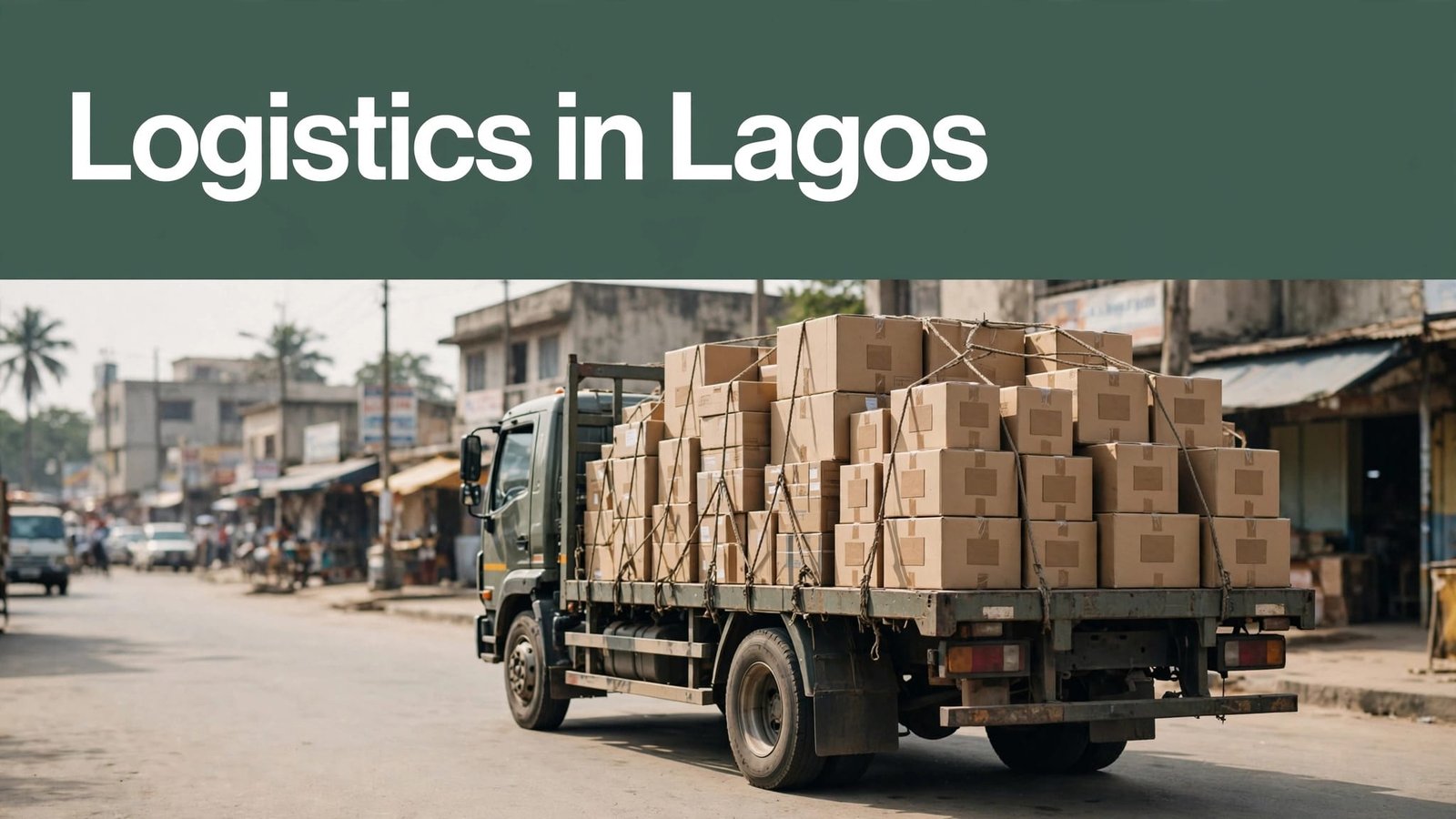
Online sellers need orders delivered. Offices send documents. Shops restock branches, while wholesalers move cartons to other states. Some businesses also need storage, packing, and delivery handled together. Around Lagos ports, importers and their service providers need freight moved and held.
These are different customers, not one market you can serve with one vehicle. A rider working a compact Yaba and Surulere route needs different skills and equipment from a firm moving containers near Apapa or Tin Can Island. Compare the actual jobs available in your area before choosing your service.
If online stores are your likely customers, look closely at the e-commerce delivery services in Lagos they already use. Their need for updates, returns, and proof of delivery may shape what you offer.
The costs that can reduce your profit
Fuel is only the start. Add vehicle purchase or lease payments, repairs, tires, insurance, staff, phone costs, rent, power, and the cost of keeping equipment safe. Warehousing brings storage and handling costs. Port-facing work can bring waiting time and delays.
In Lagos, traffic can turn a short-looking trip into a poor-paying job. A failed delivery may mean another journey without another full fee. Crossing between the Mainland and Island also needs a realistic time allowance.
Build estimates for your routes and your service, not somebody else’s advertised earnings. Record empty trips and payment delays too. Both affect how much cash you have to run the next job.
Which Logistics Business Model Fits Your Budget and Customers?
Start narrow. A small logistics business in Nigeria can focus on one customer group and one kind of shipment. Trying to offer urgent bike delivery, interstate parcels, storage, and trucking at once spreads your money and attention too thin.
| Service | Likely customers | Main operating demand |
|---|---|---|
| City dispatch | Shops, offices, residents | Riders, route planning, delivery updates |
| Formal courier | Sellers, firms, individuals | Shipment records, tracking, wider coverage |
| Storage and fulfillment | Sellers holding stock | Secure space, inventory and packing |
| Haulage and port work | Traders, importers, manufacturers | Vehicles, loading plans, freight coordination |
The best fit is the one you can run reliably at a price customers will pay.
Courier, dispatch, and last-mile delivery
A dispatch rider usually handles small, time-sensitive city jobs. You might take scheduled deliveries for shops in Ikeja or accept individual requests by phone. An app-based operation adds booking and rider coordination, but it still has to account for late pickups, disputes, and time between jobs.
A formal courier service needs clear shipment records, delivery terms, and suitable coverage. Customers sending goods beyond Lagos may expect a waybill, tracking reference, and an answer when something goes wrong. These differences matter more than the name you put on the business.
Before you accept shipments, check the current licensing rules with NIPOST’s Courier and Logistics Regulatory Department (CLRD). Don’t assume a small fleet, an app, or CAC registration removes that obligation.
Warehousing, fulfillment, haulage, and port logistics
Storage and fulfillment can suit sellers who need stock received, counted, packed, and sent out. Here, a missing item or poor inventory record can cost more than a late ride. Check how you’ll handle security, returns, and power before committing to space.
Haulage moves heavier or larger loads and calls for stronger vehicle planning. Port-linked work adds schedules, documentation, and possible waiting time. Your exact approvals depend on the activity: carrying goods, handling cargo, and customs-related work aren’t interchangeable.
For a clearer comparison of how logistics services work in Lagos, match the shipment’s size and destination to the service first. Then assess the equipment you would need to supply it.
How to Start a Logistics Business Without Buying Too Much Too Soon
You don’t need to serve all of Lagos on your first day. You need a service you can explain, a route you can manage, and customers who have a reason to use you again.
Choose a clear service, customer, and delivery area
Write down three things: what you’ll move, who will pay, and where you’ll deliver. “Documents for offices between Yaba and Surulere” gives you a firmer starting point than “anything, anywhere.” Ask potential customers how often they ship, where deliveries fail, and what records they require.
Then test the route at the times your customers need it. A Mainland delivery plan can change when you add an Island drop-off or several collections. Set a service area you can cover without making promises traffic will break.
Look for shipments you can group. Regular pickups in one area can cut empty travel, while clear address checks can reduce failed attempts. Those savings are useful only if customers accept the delivery window you offer.
Register, get the right approvals, and plan your finances
Use the Corporate Affairs Commission (CAC) to check the registration route for your business. If your work involves courier or logistics delivery, confirm the applicable CLRD license category and current requirements directly with NIPOST. The department lists International, National, Regional, and Special SME categories, so don’t assume every operator applies on the same terms.
Check tax obligations with the relevant federal and state authorities, including FIRS or the Nigeria Revenue Service as current official guidance directs. If foreign investors are involved, ask the Nigerian Investment Promotion Commission (NIPC) about registration. For port or customs-facing work, confirm the rules with the Nigerian Ports Authority (NPA) and the authority responsible for your exact activity.
Keep registration and approval costs separate from your working cash. You’ll still need money for fuel, maintenance, and routine bills while waiting for customers to pay. If you’re also weighing passenger transport or haulage, compare the practical steps for starting a road transport business in Nigeria without treating any published estimate as your final budget.
How to Price Jobs and Check the Details Before Launch
A full order book doesn’t tell you whether your logistics business in Nigeria is making money. The answer sits in the gap between the fee you collect and the cost of completing the work.
Price each job and track the numbers that matter
Before quoting, account for fuel, rider or driver pay, maintenance, loading, insurance, waiting time, failed attempts, and overhead. A warehouse operator must also count handling and storage. For deliveries, decide when an extra wait or a second attempt brings an extra charge, then put it in your terms.
Keep records by route and customer. Compare the amount invoiced with money received, direct job costs, and unpaid balances. This helps you spot a customer whose frequent urgent requests look attractive but leave little after costs.
Written terms protect both sides. State what you accept, the delivery area, the expected window, and what happens if an item is lost or damaged. Give a receipt or waybill where appropriate, and keep proof of delivery. Those records help settle questions without relying on a phone conversation nobody can verify.
Verify current rules and business details before launch
Check CAC, NIPOST CLRD, the relevant tax authority, NPA, and NIPC as your planned work requires. License categories, fees, and procedures can change. A business-procedure reference for Nigeria can help you identify questions to ask, but confirm the answers with the responsible agency before you pay or operate.
Company websites can show where a provider says it works. They can’t tell you what every logistics business earns. If you’re checking a partner or competitor, confirm its stated service area, contact channel, and terms directly. Confirm first, commit money second.
What Makes Repeat Work Worth Pursuing?
One-off jobs can fill gaps in your day. Regular work gives you a better chance to plan pickups, staff, and routes. That doesn’t mean you should accept every standing agreement. A fixed fee for deliveries that keep expanding across Lagos can leave you carrying the extra cost.
Offer a clear delivery window, not a promise you can’t keep during bridge traffic. Tell customers when an item is collected, when plans change, and when the receiver gets it. If the job needs a signature or photo, agree on that before pickup.
Approach businesses whose shipments fit your service. An office sending documents around Ikeja needs a different arrangement from an online seller managing returns. Ask each one what went wrong with past deliveries. Then quote for the work they describe, including the awkward parts such as collection waits and failed drop-offs.
As volume grows, check whether each regular customer still pays for the time and equipment they use. A dependable logistics business earns trust by delivering as agreed. It stays profitable by knowing what that promise costs.
Frequently Asked Questions
Can you start a logistics business with one motorcycle?
You can begin with a focused local delivery service if one bike suits the items and routes you plan to cover. Budget for safety equipment, repairs, insurance, and time when the bike is off the road. Check the applicable licensing rules before accepting third-party shipments, and find customers before assuming the bike will stay busy.
Which logistics service is easiest to start?
That depends on your money, skills, and access to paying customers. A compact local delivery route may need less equipment than haulage or a warehouse. It’s only the easier choice if you can run it legally, deliver reliably, and charge enough to cover your costs.
Do logistics companies need a NIPOST license in Nigeria?
Courier and logistics operators should check the current CLRD requirements for their exact service and operating area before taking shipments. The department’s guidance says a valid license is required regardless of business size or transport mode. CAC registration alone isn’t a substitute for checking courier licensing.
How can you win steady logistics customers?
Start with businesses that ship repeatedly within the area you can cover. Give them clear prices, dependable delivery windows, accurate updates, and proof of delivery. Direct outreach may open a conversation, but keeping an account depends on how you handle the ordinary jobs and the ones that go wrong.
What makes a logistics business lose money?
Underpricing is a common cause, especially when quotes leave out fuel, repairs, waiting, and return trips. Failed deliveries, weak route planning, lost shipment records, and delayed customer payments add pressure. Review jobs individually so a busy month doesn’t hide routes that cost you more than they bring in.
Conclusion
A logistics business in Nigeria can make money when your service fits your resources and customers keep using it. The cost of each completed job matters more than the number of calls you receive.
Before you invest in a vehicle or warehouse, map the shipments you could serve and price the full route. Confirm the rules, test the demand, and let those numbers guide your next move.
Leave a Reply