The New Afrika Shrine is the iconic Lagos music venue in Ikeja where Fela Kuti’s Afrobeat legacy lives on. His family runs it, live bands play most nights of the week, and the annual Felabration festival draws fans from around the world each October.
If you’re planning your first visit, you probably have questions: Is it safe at night? What does it cost? How do you get there from the Island or the airport? Those are fair questions for any Lagos night out, and the answers matter more here than at most venues.
The Shrine isn’t a typical club. It’s part concert hall, part cultural landmark, with an energy that flows freely once the band starts. This guide covers its history, what a night there actually feels like, how to get there, what you’ll pay, safety tips, and where to stay nearby.
Key Takeaways
- The New Afrika Shrine sits in Ikeja, a short drive from Murtala Muhammed Airport, and the Kuti family runs it.
- Live Afrobeat bands play most nights, and Femi or Seun Kuti headline the big shows.
- Entry fees stay affordable, but most nights are cash payments at the gate.
- Felabration fills the venue every October, so book accommodation early.
- At night, use a verified ride-hailing driver and keep valuables out of sight.
What Is the New Afrika Shrine Lagos? History and Meaning Behind the Venue
The New Afrika Shrine is a large open-air music venue and cultural center in Ikeja, built as a bigger replacement for Fela Kuti’s original Shrine after soldiers destroyed it. It sits within the Ikeja City Hotel complex in Alausa, close to the airport and the Ikeja GRA hotel corridor, and it holds live Afrobeat shows most nights of the week.
Fela Kuti, the Original Shrine, and Why It Was Rebuilt
Fela Kuti opened the original Shrine in Surulere in the 1970s. It was a club, but it was also something more dangerous: a stage for his politics. From that stage, he criticized Nigeria’s military governments in songs and in speech, night after night, in front of a crowd that came to dance and stayed to listen.
The government answered in 1977. Soldiers raided the Kalakuta Republic, Fela’s compound next to the Shrine, beat residents, and threw his mother, Funmilayo Ransome-Kuti, from a window. She died from her injuries the following year. Fela responded the way he knew how: he held a mock funeral, delivered his mother’s coffin to the Dodan Barracks in Lagos, and kept playing.
He died in 1997 from AIDS-related complications, and hundreds of thousands lined the streets of Lagos for his funeral. Three years later, his children opened the New Afrika Shrine in Ikeja, a larger venue built to carry on what the original one did.
That history is why the venue means more than music. It’s still a stage where musicians speak plainly about Nigeria, and the crowd answers back. When you visit, you’re not walking into a themed bar. You’re walking into a place that survived a raid, a dictatorship, and its founder’s death, and never stopped hosting a show.
The original Shrine was destroyed in a 1977 army raid; the New Afrika Shrine opened in Ikeja in 2000 and has run as a family-led venue ever since.
Who Runs It Today: Femi, Seun, and Made Kuti
Fela’s sons run the place now, and they don’t just manage it; they headline it. Femi Kuti, the eldest, plays there regularly with his own band and has carried the Afrobeat sound (with the “afro” restored) onto international stages for decades. Seun Kuti leads Egypt 80, the band his father used to front, and keeps Fela’s political edge sharp in his lyrics.
The third generation is already on stage. Made Kuti, Femi’s son, performs his own material and represents the newest branch of the family line.
The long-standing tradition is the Sunday show, where Femi plays with the Positive Force band and the venue fills with families, expats, and regulars. Treat that as the pattern, not a promise: lineups change, tours pull the Kutis abroad, and guest artists show up unannounced. Confirm the current schedule on the Shrine’s official channels or a reliable local listing before you build a night around a name.
What to Expect at the New Afrika Shrine: Music, Crowd, and Atmosphere
The New Afrika Shrine Lagos is an open-air venue with a big stage, a big sound system, and a crowd that shows up ready to dance. When the horns kick in, the whole compound moves together. Expect warm air, cold drinks, and a mix of Lagos regulars, tourists, and expats sharing the same floor.
Timing matters more than you’d think. Shows often start later than advertised, and the venue only fills up well after dark. If you arrive at 9 p.m., you’ll catch the warm-up. Come after 11 and you’ll walk into the thick of it. Dress casually; nobody is checking outfits at the gate. Bring cash, because most payments at the bar and gate run on naira, not cards. And pace yourself with water, because Lagos nights here run long and hot.

Photo by David Iloba
Best Nights to Visit and What the Lineup Looks Like
Sundays are the classic night. Femi Kuti has long played the Sunday show with his Positive Force band, and the crowd reflects it: families, longtime fans, first-timers, and a healthy share of visitors. If you want the quintessential Shrine experience in one night, that’s the one to build your week around.
Other weekdays rotate between Seun Kuti and the Shrine’s house bands, and the energy shifts with the lineup. Seun’s shows carry a sharper political edge. House band nights feel looser and more local, often with guest singers jumping on stage.
One rule applies to all of it: confirm the schedule before you go. Tours pull the Kutis overseas, political events and festivals occasionally take over the venue, and lineups change with little notice. Check the Shrine’s official social media pages or a reliable local listing on the day itself. A night planned around a name that isn’t playing is a wasted ride across Lagos.
Felabration: the Festival Worth Planning Around
If you can pick any week to visit, pick the one in October. Felabration is the annual festival held around Fela Kuti’s birthday, and it turns the Shrine into a week-long celebration of his life and music. You get nightly concerts, guest artists, symposiums on his politics, and street parties spilling into the neighborhood around Ikeja.
The crowd changes too. International visitors fly in for it, diaspora returnees fill the compound, and the shows run bigger and later than any regular weekend. It’s the venue at full volume.
That popularity comes with a cost, so plan ahead:
- Book accommodation weeks in advance, since Ikeja hotels fill up during festival week.
- Arrange transport early, because ride demand spikes every night of the festival.
- Expect bigger crowds at the gate and longer waits than a normal Sunday.
If your trip lands outside October, don’t worry. The Shrine runs its regular shows all year, and the Sunday tradition holds even when nothing special is on. Felabration is the peak, but it isn’t the only good night.
How to Get to the New Afrika Shrine in Ikeja: Routes, Transport, and Safety
The New Afrika Shrine sits inside the Ikeja City Hotel complex along the Airport Road and Obafemi Awolowo Way axis in Alausa. That location works in your favor: it’s a short drive from Murtala Muhammed Airport and a straightforward trip from most of the mainland. The real variable is traffic. A 20-minute run from Victoria Island at midday can take 90 minutes at rush hour, so build buffer time into any plan that ends with you making it to the venue before the headliner.
Getting There by Ride-Hailing, Taxi, or Public Transport
For a night visit, Uber, Bolt, or a trusted taxi is the calmest option. Your driver takes you straight to the venue gate, you avoid walking through unfamiliar streets after dark, and you have the same comfort on the way home. If you’re staying in Ikeja GRA or near the airport, the trip is short and inexpensive even with surge pricing.
Daytime trips open up cheaper choices. BRT and danfo buses run along the Airport Road corridor toward Oshodi and Ikeja, and you can connect with a short keke ride to the Alausa area. That works fine in daylight with light luggage. After the show, though, skip public transport entirely. Buses thin out late at night, and waiting for one near the venue is not a risk worth taking.
One detail saves you confusion: confirm the exact drop-off point with your driver before you set off. Tell them the Ikeja City Hotel complex gate in Alausa, not just “the Shrine.” Drivers know the complex, and the gate is where you want to be dropped and picked up.
Safety Tips for a Night at the Shrine
A night at the Shrine is generally relaxed, but the same habits that protect you anywhere in Lagos at night apply here. Before you head out, run through this list:
- Keep valuables, cash, and ID in a small bag that stays on your body, not a backpack you set down.
- Carry only the cash you need for the night; most gate and bar payments are in naira anyway.
- Confirm your ride details, plate number, driver name, and vehicle, before you enter the car.
- Save the venue location offline so you can navigate or share it even if your data drops.
- Travel with company when you can, and arrange your return trip before the show ends, because ride demand spikes when the band finishes.
That last point matters most. Leaving the venue at 2 a.m. with thousands of others creates a scramble for drivers and surge pricing to match. Book your return ride while you’re still inside, or agree on a pickup time and spot at the complex gate with your driver on arrival. A little planning at the front end makes the whole night easier.
Costs, Entry, Food, and Where to Stay Near the Shrine
A night at the New Afrika Shrine won’t strain your wallet, but it helps to know where the money goes. Between the gate, the bar, and a ride home, a full night costs far less than a similar outing in most Lagos clubs. Here’s what to budget and where to sleep nearby.
Entry Fees, Drinks, and Spending Money
Entry is typically affordable compared to upscale Lagos venues. Regular weeknights can be modest, and some shows run free or close to it. Prices climb during Felabration in October and on nights when Femi or Seun Kuti headline, since those shows draw the biggest crowds.
Bring cash in naira. Most gate and bar payments don’t run on cards, and you’ll want small notes for drinks, food, and tips. A night of beers and a plate of grilled fish won’t cost much by Lagos standards, but arriving cashless leaves you watching the show from outside.
One habit worth keeping: treat any price you read online as a starting point. Gate fees change with the lineup and the season, so confirm current costs on arrival or through the Shrine’s official channels the day you go.
Food and drinks are sold on site. Expect Nigerian staples like grilled fish, suya, and jollof, alongside local drinks and the usual bottled options. Tables around the compound seat groups on a first-come basis, so arrive early if you want a spot near the stage. Parking exists within the Ikeja City Hotel complex, though a ride-hailing car still beats driving yourself after a long night.
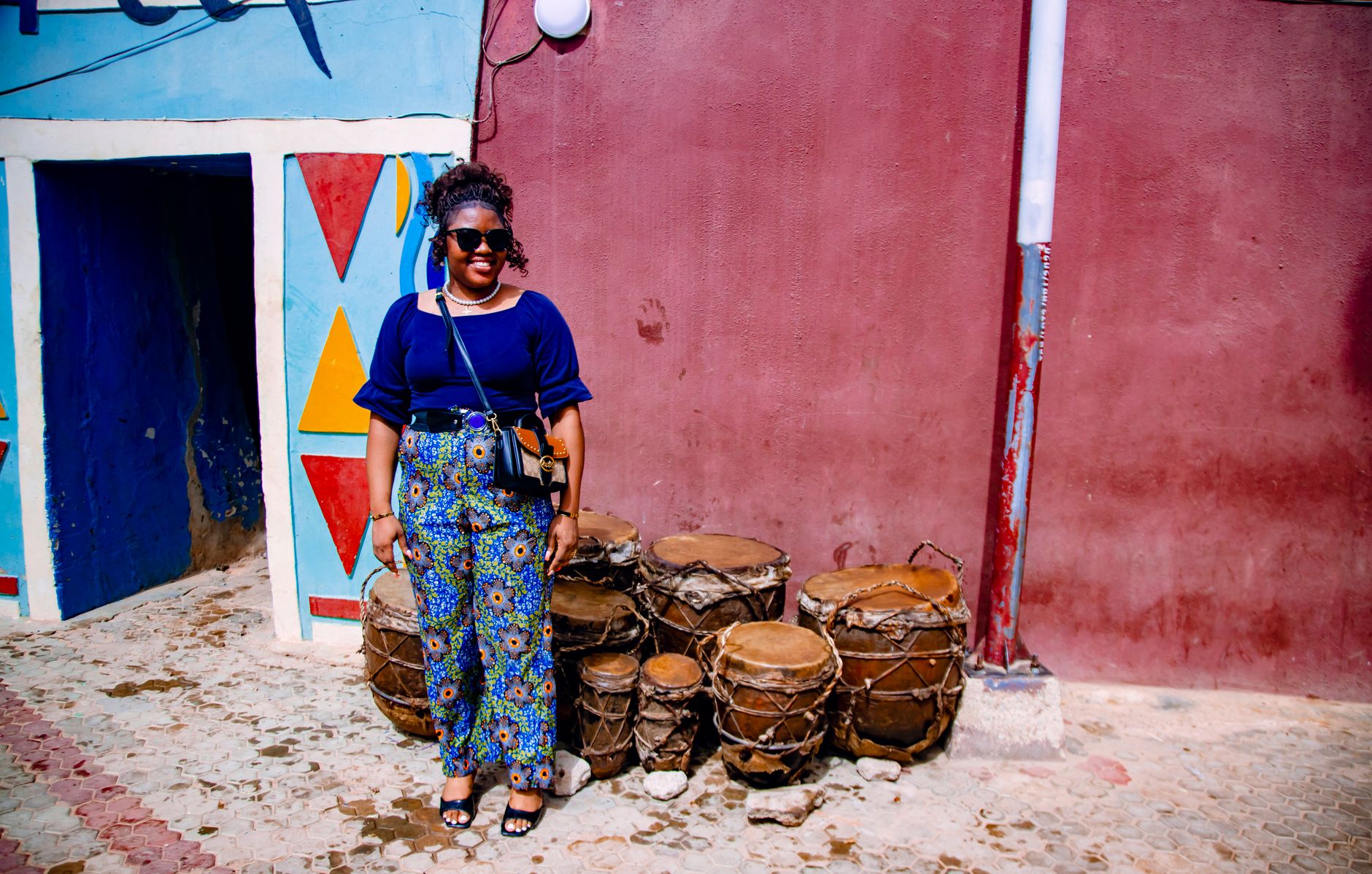
Photo by Bobest
Hotels and Shortlets Close to the Venue
The good news is that the Shrine sits in one of the best-served hotel areas in Lagos. Ikeja GRA, Alausa, and Airport Road all hold solid options, and each puts you within a short taxi ride of the venue. That matters twice: you avoid a long cross-town trip after midnight, and if you’re flying out of Murtala Muhammed Airport the next morning, your hotel and the terminal sit minutes apart.
Mid-range hotels in Ikeja GRA balance price and comfort, while shortlets in Alausa suit longer stays with kitchens and more space. Either way, book ahead during Felabration and December, when rooms around Ikeja fill fast and rates climb with demand.
For a deeper comparison of areas, prices, and booking checks, see our guide on where to stay in Lagos or our breakdown of Lagos shortlet options. Sleep close, walk out late, and the whole night stays easy.
Frequently Asked Questions
You’ve read the full guide, but a few details always come up right before the night out. Here are the questions we hear most from first-time visitors to the New Afrika Shrine, answered short and straight. Details shift with each event, so confirm anything time-sensitive through the venue’s official channels before you go.
Can I bring children to the Shrine?
Weekday and Sunday shows can work for older kids, especially early in the evening, since the crowd on Sundays often includes families. Big headline nights and Felabration run late, loud, and very crowded, which most young children won’t enjoy. Use your judgment, keep them close, and leave before the venue hits peak capacity if you’re out with kids.
Can I take photos and videos inside?
Yes, and most people do. Snap freely with your phone, but be considerate: ask before filming individuals up close, and keep expensive cameras out of sight when you’re not using them. Professional shoots and commercial filming need permission from the venue, so reach out through their official channels first.
Is it safe to visit the Shrine alone as a woman?
Many women visit solo, especially on Sundays, and the crowd is generally welcoming. Stick to the habits that work anywhere in Lagos at night: sit near other groups, keep your drink within sight, and book your return ride before the show ends. A solo night is easier if you stay in one of the nearby Ikeja hotels rather than crossing town late.
What happens if it rains?
The Shrine is largely open-air, so heavy rain can pause or shorten the show. Lagos rain often passes within an hour, and the crowd usually waits it out under the covered sections. During the rainy season between April and October, check the weather and the venue’s social pages on the day, since outdoor events sometimes shift.
How late do shows actually run?
Later than you’d expect. The venue fills after 11 p.m., headliners often start near midnight, and big shows run until 3 a.m. or later. Don’t schedule anything important the next morning. If you’re flying out the next day, the venue’s closeness to the airport corridor works in your favor, and our Lagos airport guide covers the terminals and transfer options nearby.
Do I need to understand Yoruba or Pidgin to enjoy the show?
Not at all. The music carries the night, and Fela’s lyrics mix Yoruba, Pidgin, and English. If a spoken segment goes over your head, ask a neighbor; Shrine regulars are used to visitors and usually happy to explain what was said.
Conclusion
A night at the New Afrika Shrine is one of the most authentic cultural experiences Lagos offers. You hear Fela’s music played live by his own family, in the city where it was born. Few venues anywhere match that.
Three habits make the night smooth. Confirm the lineup and venue details before you leave home. Use a verified ride-hailing driver for the trip there and back. Keep your valuables close and your cash in naira.
That’s it. Plan the small things, and the music takes care of the rest.
Want more help getting around the city? Browse our guides on Lagos transportation, airport transfers, and where to stay in Lagos before you head out.



Leave a Reply