Tarkwa Bay is a calm, man-made island beach at the mouth of Lagos harbour. You reach it by a short boat ride from jetties like Tarzan and Falomo near Victoria Island and Lagos Island, and the trip takes only minutes on the water.
If your goal is a simple, stress-free beach day without the traffic crawl, this is the easiest escape in the city. No gridlock, no honking, just sand and open water.
This guide covers how to get there, what it costs, what to do once you land, and how to plan your visit so nothing catches you off guard.
Key Takeaways
- Tarkwa Bay sits at the mouth of Lagos harbour, and boats from Tarzan or Falomo jetties get you there in minutes.
- You pay two fares on most trips: the boat ride and a small landing or entrance fee at the beach, so carry extra cash.
- Confirm the boat fare, jetty, and return time before you leave home, because prices and schedules shift.
- Leave early to beat queue at the jetties, especially on weekends and public holidays.
- Travel light, charge your phone fully, and check the weather, since rough water can disrupt boat schedules.
Tarkwa Bay Beach Guide: What to Know Before You Go
Before you book a boat or pack a cooler, it helps to understand what Tarkwa Bay actually is. It’s not a resort with a gate. It’s a working island with a history tied to Lagos harbour, and that shapes everything about your visit. Here’s the orientation you need.
Where Tarkwa Bay Sits and Why the Island Exists
Tarkwa Bay sits right at the entrance to Lagos harbour, sandwiched between the lighthouse on one side and the open Atlantic on the other. From the sand, you can see ships waiting to enter the port and the lighthouse standing guard on the breakwater.
That breakwater is the reason the beach exists at all. Engineers built it to shelter the harbour entrance from ocean waves, and over time, dredged sand settled against it and formed the wide, calm beach you see today. What started as an engineering byproduct became one of Lagos’s favourite escapes.
This is a living village, not a fenced-off resort. A small residential community lives here year round, including families who fish and, notably, some of Nigeria’s earliest surfers who ride the waves off the breakwater. Treat the place with the respect you’d show any neighbourhood.
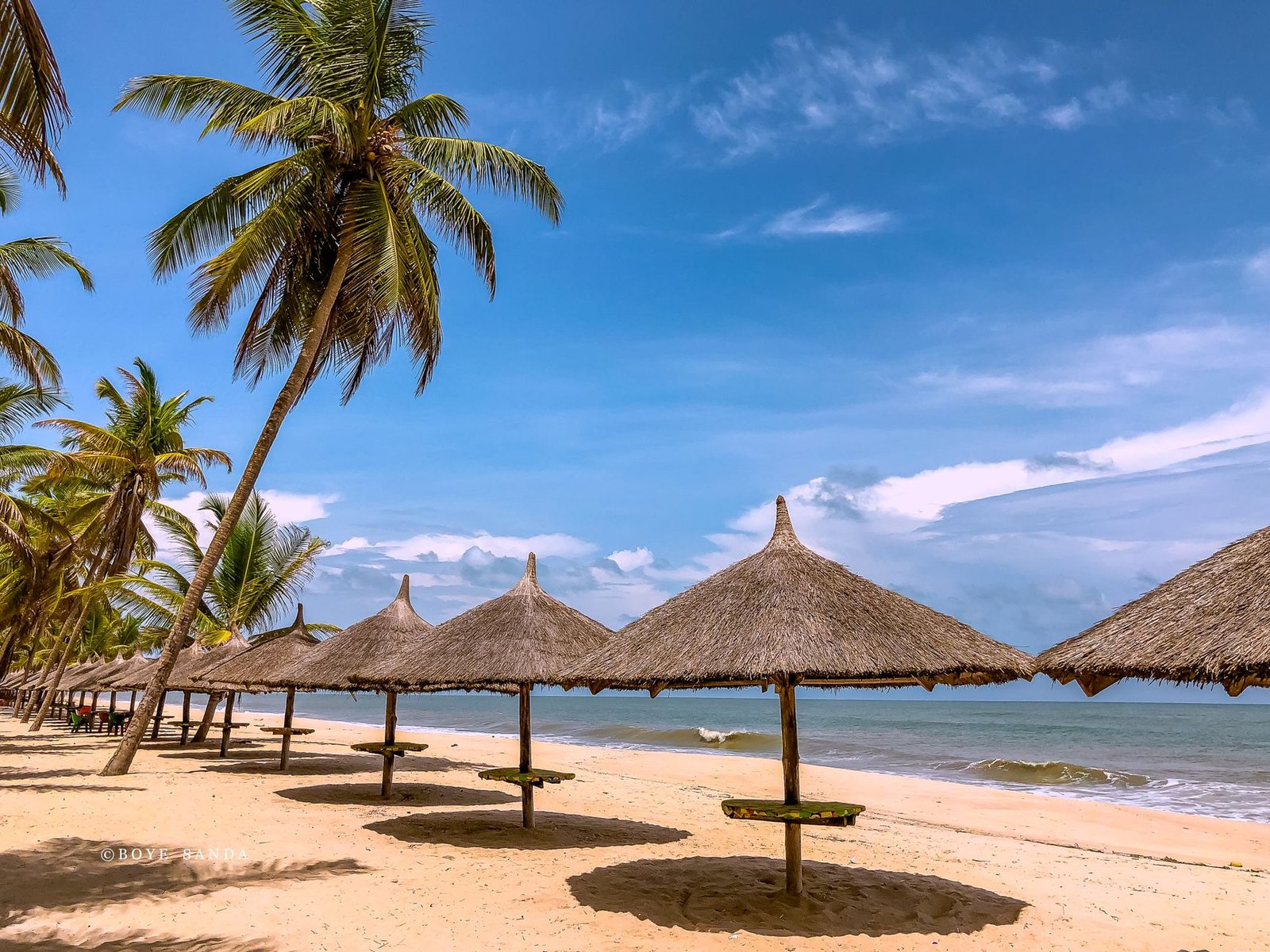
Photo by Boye Sanda
How Tarkwa Bay Compares With Landmark and Elegushi Beaches
Wondering if the boat trip is worth it? The honest answer depends on what you want from a beach day. Here’s how Tarkwa Bay stacks up against the two big city beaches:
| Factor | Tarkwa Bay | Landmark / Elegushi |
|---|---|---|
| Access | Boat only from a jetty | Drive straight up |
| Crowds | Quieter, even on weekends | Busy, packed on Sundays |
| Facilities | Basic: sheds, food vendors, rentals | Developed: loungers, clubs, pools |
| Vibe | Wild sand, open ocean, local community | Music, loungers, city energy |
If you want convenience, food variety, and a social scene, Landmark or Elegushi deliver. If you want calm water, softer sand, and space to breathe, Tarkwa Bay wins every time.
One caution: fares, boat schedules, and landing fees change often, so confirm details on the day before you set out.
How to Get to Tarkwa Bay: Jetties, Boat Rides, and Fares
There’s no bridge to Tarkwa Bay and no road that leads there. The lagoon is the highway, and a boat is your only ticket in. The good news is that the crossing is short, the jetties are easy to reach from most of the Island, and once you know your departure point, the whole trip feels simple.
Main Departure Points: Tarzan Jetty, Falomo, and Other Options
Most visitors board from one of two jetties on the Island side of the lagoon. Tarzan Jetty, near the Law School and the Victoria Island waterfront, is the busiest departure point for beachgoers. Falomo Jetty, close to the Falomo Bridge end of Ikoyi, sits handy if you’re coming from Ikoyi or the Lagos Island axis. Boats from Lagos Island and the Marina area also run the route when demand is there.
So which one suits you? If you’re staying around Victoria Island or Lekki, Tarzan usually makes the most sense. If you’re closer to Ikoyi or the older parts of Lagos Island, start with Falomo and see what’s running that day.
Here’s the habit that saves every LagosMove guide from grief: departure points and times shift. A jetty that ran boats all day last month may thin out this week. Before you leave home, confirm the exact jetty, the meeting spot, and the departure time with the operator directly, not from a screenshot or an old blog post. If you want the bigger picture on water transport across the city, our Lagos ferry and water transport guide breaks down the main jetties and crossings.
Shared Boats vs Private Charters: Which One Fits Your Trip
You have two ways to cross, and the right one depends on your group size and budget.
A shared boat is the default for solo travelers and couples. You pay per person, wait for the boat to fill, and follow the operator’s schedule. It’s cheaper, but you don’t control the timing. On busy weekends the wait is short; on quiet weekday mornings you might stand around a while.
A private charter makes sense when you’re traveling as a group of four or more. You split one fare between you, and the boat leaves when you’re ready. That flexibility is worth real money on a day trip, because you set your own return time too.
Whichever option you pick, three habits protect you. Agree the full price and the return time before you board, in naira, not vibes. Check that life jackets are on board and actually wear one. And save the operator’s phone number, so you can call if your plans change or the return boat moves.
What the Ride Costs and How Long It Takes
The crossing itself is short. Expect roughly 15 to 30 minutes on the water, depending on your jetty and the day’s conditions. On a calm morning it can feel like a harbor tour; in rough weather it gets livelier.
On fares, here’s the honest position: prices move with fuel costs, season, and demand, so treat any figure you see online as a starting point only, not a fixed price. Confirm the live fare with the boat operator before you hand over cash, and carry extra for the landing fee at the beach and the return trip.
One timing warning: weekday departures thin out earlier than weekend ones. If you’re going midweek, arrange your return boat before you leave the jetty. Stranding yourself on the island because the last boat left early is a mistake you only make once.
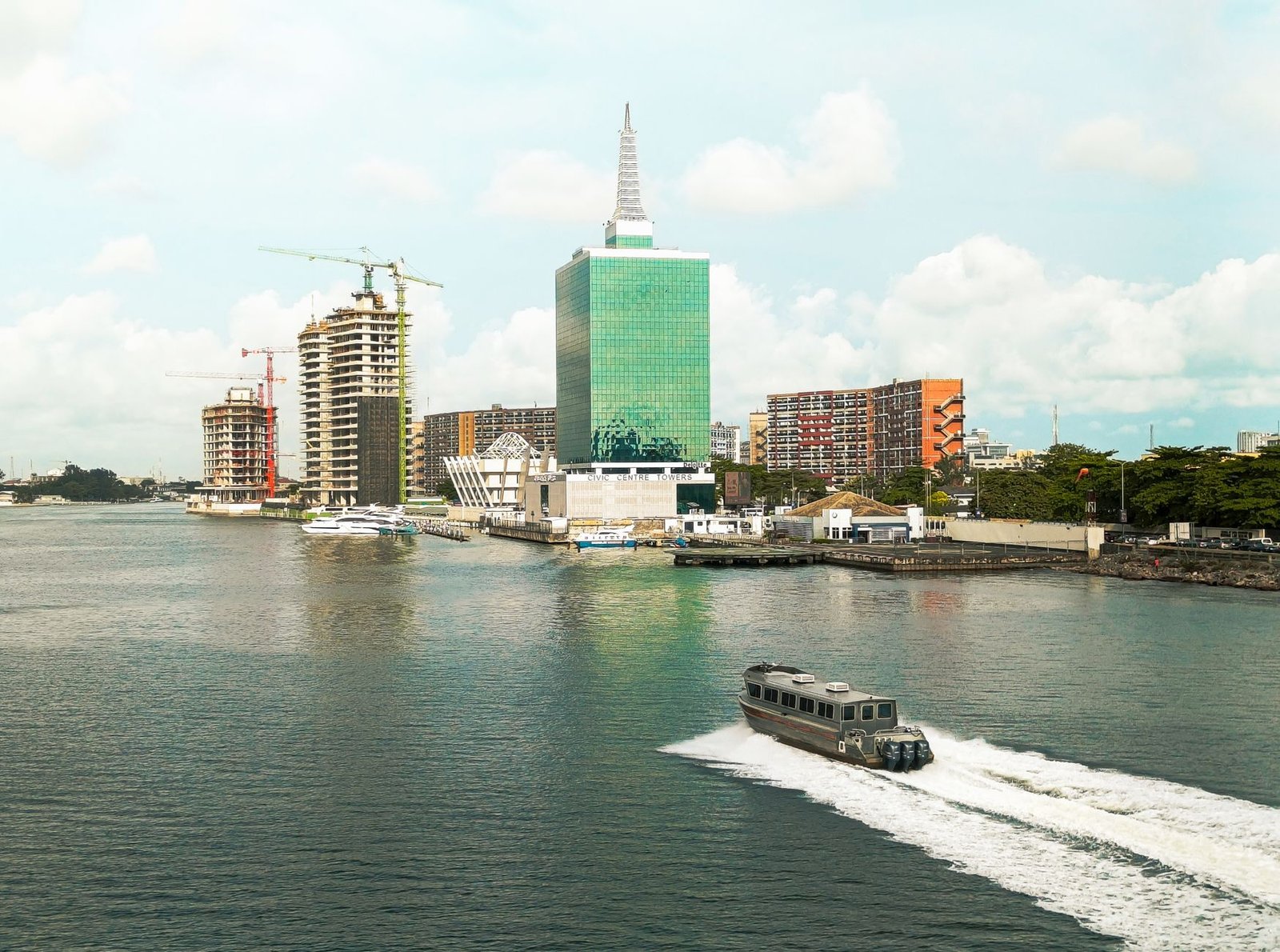
Photo by Fawaz Onakoya
Things to Do at Tarkwa Bay Beach
The beach has two personalities, and that’s its quiet advantage. The sheltered lagoon side stays calm enough for a lazy swim, while the ocean side catches the Atlantic swell and gives you proper waves. You can pick your mood without moving hotels or paying for a second trip.
Swimming, Surfing, and Water Sports
Start on the lagoon side if you’re not a confident swimmer. The breakwater blocks the big waves, so the water stays gentle and forgiving, which makes it a safe spot for kids and casual swimmers. Bring your own towel, take your time, and wade in.
The ocean side is a different animal. When the swell is up, surfers and body surfers ride the waves near the breakwater, and the island’s resident surfers have been doing this longer than most of Lagos knows. If you’re new to open ocean swimming, stay near other people and listen to local guidance on conditions. That water doesn’t negotiate.
For something faster, vendors on the beach offer jet ski rides and banana boat pulls when demand is there. Beach volleyball setups appear too, especially on weekends. One rule covers all of it: settle the price before the activity starts, not after. A rate agreed in advance never becomes an argument.
Horse Rides, Lighthouse Views, and Slower Island Pleasures
Some of the best things here cost almost nothing. Horse rides along the sand are available from local handlers, and a slow walk on horseback at low tide beats most paid attractions in the city. Agree the fee with the handler first, same rule as everywhere else on the island.
Walk toward the lighthouse at the harbour entrance if you have the legs for it. The path gives you views of ships queued at the port entrance, and the sight of a working harbour from a quiet beach stays with you. You’ll pass the fishing community on the way; a greeting and a bit of curiosity go a long way.
Otherwise, the day is yours to keep unhurried. Spread a mat on quiet sand, share food you brought or bought from the vendors, and let the hours run long.

Photo by Aminu Fahd
One thing the island asks of you: waste services are limited, so bring a trash bag and carry out whatever you carry in. Tarkwa Bay stays beautiful only because visitors treat it like their own backyard.
What a Tarkwa Bay Day Trip Really Costs
Tarkwa Bay is affordable, but it is not free, and the ticket price is only the beginning. Your real day-trip budget has five or six moving parts, and several of them are negotiable on the sand. Here is how the money breaks down so nothing surprises you.
Entry Fees, Rentals, and Extras to Budget For
The two fixed costs come first: the boat fare (paid both ways, unless you charter) and the landing or entry fee collected on the island. After that, everything else depends on how comfortable you want the day to be.
- Boat fare: charged per person on shared boats, or as one price for a private charter you split.
- Landing or entry fee: collected at the beach when you step off the boat.
- Chair or canopy rental: charged by local vendors if you want shade or a proper seat instead of a mat.
- Food and drinks: vendors sell grilled fish, drinks, and snacks, usually at beach prices.
- Paid activities: jet skis, banana boats, and horse rides, all priced by the operator.
One thing to know: some charges on the island are informal and negotiable. Weekend pricing can also differ from weekdays, when demand drops. The figures below are planning estimates only, so confirm current amounts before you travel.
| Item | What to expect |
|---|---|
| Boat fare (return) | Varies by jetty, boat type, and day |
| Landing or entry fee | Small per-person charge on arrival |
| Chair or canopy | Negotiated with the vendor on the sand |
| Food and drinks | Priced per item; bring extra if eating well |
| Activities | Agreed in advance, before the fun starts |
A rough rule that works: carry more than you expect to spend, then spend less.
Bring Cash: Money Tips for the Island
Here is the single most important budget tip in this guide: there are no reliable ATMs on Tarkwa Bay, and card payment is not guaranteed anywhere on the island. If your cash runs out, your options shrink fast.
Before you board at the jetty, run through this quick checklist:
- Carry enough cash for the full day, including your return boat fare.
- Collect plenty of small denominations, because vendors rarely have change.
- Keep the money in a waterproof pouch or zipped inner pocket.
- Leave a small backup amount separate from your main wallet.
That two-minute cash check before the boat leaves beats losing an afternoon to a money problem on an island with no ATM. Do it every time.
Planning Your Visit: Best Time, Packing, and Staying Overnight
A good Tarkwa Bay day lives or dies on preparation. The island has no ATMs, limited vendors, and boats that follow demand rather than a fixed timetable. Decide three things before you board: when to go, what to carry, and whether you’re coming back the same day.
The Best Time to Visit Tarkwa Bay
Weekdays are the quiet win. You get softer sand, fewer boats jostling at the jetty, and space to spread out. The trade-off is planning, because shared boats run less often midweek, so arrange your return trip before you leave the mainland side.
Weekends flip the script. More vendors, more activity, more energy on the sand, and also more crowds at the jetties. If you go on a Saturday or public holiday, arrive early or expect a queue.
Season matters too. The rainy months bring heavier showers and rougher water, which can delay or cancel crossings. Dry-season days give you the calmest sea and the most predictable boat schedule. Whichever day you pick, aim for a morning departure. The water stays calmer, the sun is kinder, and you protect your return window before evening boats thin out.
What to Pack for a Day on the Island
Think of packing for Tarkwa Bay like packing for a small expedition, because the island won’t rescue you if you forget something. Vendors sell food and drinks, but the selection is basic and prices run higher than the mainland. Decide your food plan before you board.
Your kit should cover these basics:
- Cash in small denominations, including your return fare
- Drinking water and snacks or a packed meal
- Sunscreen, a hat, and sunglasses
- Swimwear and a towel
- A power bank and a waterproof phone pouch
- A trash bag to carry out what you bring in
That last item matters more than it looks. Waste services on the island are limited, and the beach stays clean only when visitors take their rubbish back. Pack light, pack smart, and keep valuables on your body, not in a bag left on the sand.
Overnight Stays and Safety Basics
Yes, you can sleep on the island. Tarkwa Bay offers basic guesthouses and holiday homes run by the local community rather than big hotels. Expect simple rooms, not resort amenities. If an overnight appeals to you, book ahead directly with the host, confirm the room details, and settle payment terms before you travel. Don’t arrive at dusk hoping something is free.
A few habits keep every visit safe:
- Use a recognized boat operator and agree the return time before boarding.
- Wear a life jacket for the crossing, every crossing.
- Swim near other people and follow local advice on water conditions.
- Leave the island before dark unless you have confirmed accommodation.
Tell someone on the mainland your plans and expected return, then enjoy the water. Tarkwa Bay rewards the traveler who plans a little and relaxes a lot.
Frequently Asked Questions
Still sorting out the details? These are the questions travelers ask most after reading this guide, answered straight.
Can you swim at Tarkwa Bay?
Yes, and the lagoon side is the best spot for it. The breakwater blocks the heavy Atlantic swell, so the water there stays calm enough for casual swimmers and kids. The ocean side is rougher, so save it for confident swimmers and surfers who read the conditions well.
Is Tarkwa Bay safe for kids?
It’s one of the calmer beach options in Lagos for families. The sheltered water helps, and the island has a small residential community around the beach. Keep children within sight near the water, agree prices with vendors before any paid activity, and carry all the cash, food, and sun protection you’ll need for the day.
What happens if I miss the last boat back?
You either pay for a private charter or find confirmed accommodation on the island, and neither is ideal at dusk. This is avoidable: agree your return time with the operator before you board, and leave the beach before evening boats thin out, especially midweek.
Can I pay with card or transfer on the island?
Don’t count on it. There are no reliable ATMs on Tarkwa Bay, and card payment is not guaranteed anywhere. Carry enough cash in small denominations for your boat fare, entry fee, food, and activities, plus a small backup amount stored separately.
Do boats to Tarkwa Bay run every day?
Shared boats run most days, but frequency follows demand rather than a fixed timetable. Weekends and public holidays bring more departures; weekdays thin out earlier. Confirm the day’s schedule with the operator before you leave home, and check weather, since rough water can pause crossings entirely.
Is Tarkwa Bay worth it compared with driving to a mainland beach?
If your priority is calm water, wide sand, and space, yes. The boat crossing costs more than a ride-hail trip to Landmark, but you trade gridlock for a short harbour crossing and a quieter beach. If you want loungers, clubs, and a social scene, the drive-up beaches serve you better.
Conclusion
Three decisions shape your Tarkwa Bay day: which jetty you leave from, whether you share a boat or charter one, and whether you return the same evening or sleep on the island. Get those right and everything else falls into place.
The core habit covers the rest. Confirm the boat, the fare, and the return time before you travel, because jetty schedules, prices, and landing fees shift without notice. Carry your cash, pack light, and leave room for the weather.
When you’re ready to plan the day, our guides on getting around Lagos and the best places to visit in the city will help you build the rest of the itinerary around it.



Leave a Reply