Supply chain companies in Lagos handle warehousing, freight forwarding, haulage, distribution, and last-mile delivery for businesses moving goods across the city, Nigeria, and overseas.
Maybe you’re an importer clearing containers at Apapa. Maybe you run an e-commerce store shipping to customers in Surulere and Yaba. Or you’re a manufacturer moving raw materials to a factory in Ikeja. Whatever your situation, picking the wrong logistics partner costs you money, time, and customers.
This guide breaks down the types of supply chain companies in Lagos, what they typically charge, and how to vet a provider before you sign anything. Let’s get into it.
Key Takeaways
- Match the provider to the job: couriers handle parcels, haulage firms take bulk freight, and bus parcel services win on price along fixed interstate routes.
- Parcel pricing depends on weight, size, fragility, and distance, so always ask for a live quote instead of trusting old rates or word of mouth.
- Get the total cost in writing before you pay, including pickup, handling, and any extra fees.
- Confirm the exact collection point, ID requirements, and liability terms for lost or damaged items.
- Book only through official channels; never pay into a personal account or accept a forwarded screenshot as proof.
What Supply Chain Companies in Lagos Actually Do
At the simplest level, a supply chain company manages how goods move. From the supplier, to the warehouse, to the customer’s door. You hand over the logistics headache so you can focus on selling, manufacturing, or distributing.
That sounds broad because it is. These firms stack different services depending on what your business needs, and knowing the core functions helps you spot which one fits your situation.
The Core Services They Handle
Most supply chain companies in Lagos offer some mix of these:
- Warehousing and storage: they keep your goods safe in a warehouse until you need them distributed, often with inventory tracking.
- Freight forwarding: they move goods into and out of Nigeria, by air through Murtala Muhammed International Airport, or by sea through the Apapa and Tin Can Island ports.
- Customs clearing: they handle import and export paperwork, duties, and port releases so your container doesn’t sit and rack up demurrage.
- Haulage and trucking: they move bulk freight between cities, whether that’s cement to Kano or agro products to Onitsha.
- Distribution and last-mile delivery: they get products from the warehouse to retailers, distributors, or individual customers across Lagos.
Who Actually Uses These Companies
Importers clearing containers. Manufacturers moving raw materials. E-commerce brands shipping daily orders. FMCG distributors restocking shops across the state. If goods are part of your business, this industry touches you at some point.
A Quick Example Flow
Picture a container of goods arriving at Apapa port. A clearing agent handles the customs process. The released cargo moves to a warehouse in Ikeja. From there, dispatch trucks deliver stock to shops in Surulere, Yaba, and beyond. One provider can cover that entire chain, or you can split it across specialists.
Here’s the catch: services vary widely from one company to the next. Some do everything. Others only run warehouses or trucks. That’s why matching the provider to your actual need matters more than the company name.
Types of Logistics and Supply Chain Services You Can Hire in Lagos
Lagos logistics breaks into four main categories, and each one exists for a different job. A container at Apapa needs a clearing agent. A pallet of drinks headed to Kano needs a truck. An online order for a customer in Surulere needs a rider. Match the provider to the job and the rest of the decision gets easier.
Here’s the quick comparison before we break each one down:
| Service type | Best for | Typical speed | What to watch |
|---|---|---|---|
| Freight forwarding and clearing | Imports, exports, port and airport clearance | Days to weeks | Hidden charges, demurrage |
| Warehousing and distribution | Storage, inventory, retailer supply | Ongoing | Location, security, handling fees |
| Haulage and interstate freight | Bulk goods across states | 1 to 3 days per route | Seasonal price swings, load size |
| Last-mile and e-commerce fulfillment | Online orders within Lagos | Same-day to 48 hours | Coverage gaps, proof of delivery |
Freight Forwarding and Customs Clearing Agents
These agents handle the paperwork side of imports and exports. They process documentation, pay duties, and secure terminal releases at Apapa, Tin Can Island, and the airport cargo terminals. Without them, your container sits at the port and demurrage piles up daily.
Use a licensed agent. Ask for a written fee breakdown before you commit, covering duty, terminal charges, and service fees. Hidden charges are common in this trade, and an honest quote protects your margin.
Warehousing and Distribution Providers
Warehousing firms store your goods and move them to retailers or distributors when needed. Options include bonded warehouses for uncleared imports, shared space for smaller budgets, and fulfillment centers for e-commerce stock. Importers, manufacturers, and FMCG distributors use these most.
Before you sign, ask where the facility sits. Proximity to Ikeja, Apapa, or the Trade Fair corridor cuts transfer time and cost. Also check security, inventory systems, and handling fees.
Haulage and Interstate Freight Companies
Haulage firms move bulk freight by truck, from cement and sugar to agro products. Routes run to Ibadan, Kano, Onitsha, and beyond. Pricing depends on load size, route distance, and fuel, so quotes shift with the season. Fuel scarcity and festive-period demand push rates up, so book early and confirm the price in writing.
Last-Mile Delivery and E-Commerce Fulfillment Partners
These providers handle the final leg: riders and vans delivering orders to customers across Lagos. Many offer same-day service with tracking and proof of delivery. If you sell online, delivery predictability matters more than the cheapest rate. A cheap courier that misses delivery windows costs you refunds and repeat buyers.
How to Choose the Right Supply Chain Partner for Your Business
The right partner depends on three things: what you’re shipping, how fast it must arrive, and what you can spend. Get those clear before you shortlist anyone. A provider that’s perfect for pallets to Onitsha may be the wrong fit for daily parcels within Lagos. These two checks will filter out most of the bad options.
Verify Licensing, Tracking, and Proof of Delivery
A familiar name is not the same as a reliable one. Plenty of companies trade on recognition while their actual service falls apart. So check the boring things first.
Confirm the business is registered and has a named office you can visit. A support line that actually answers matters just as much. One weak link, like a vague address or a phone nobody picks up, breaks the whole chain.
Then ask two questions before you hand over anything:
- Do you issue a waybill or receipt for every parcel?
- Can I and my customer follow it with a tracking reference?
Without those two things, you have no proof a handover happened and no way to chase a missing item. That applies whether you’re moving one box or a full truckload. Ask about liability terms too. Find out what the provider pays if goods get lost or damaged, and get the answer in writing.
Many delivery losses in Lagos come from skipping one simple verification step, not from bad luck.
Compare Total Costs, Not Just Headline Prices
Quotes in this industry move around more than most people expect. Weight, size, fragility, route, and urgency all shift the final figure. A fragile shipment attracts handling charges. A same-day deadline costs more than next-day. And if the receiver can wait a day, you can often pay less.
Season matters too. Demand spikes around Christmas, Eid, and Sallah, and riders and trucks get booked out fast, so prices climb. Fuel prices feed directly into delivery fares as well, since fuel is one of the biggest costs any transport company carries.
Here’s where businesses get burned: the cheap headline rate that grows after pickup. Fuel levies, waiting time, and service charges can eat your margin faster than one honest, higher quote.
So ask one final question before you commit: is this the total? Get it confirmed in writing, by message or receipt, covering pickup, loading, handling, and delivery. If a provider adds fees only after collecting your parcel, you have no leverage left. A quote that lives on word of mouth isn’t a quote. It’s a starting bid.
Costs, Timelines, and Red Flags to Avoid Before You Pay
Here’s the honest answer first: there’s no single price list for supply chain services in Lagos. Any figure you see online, including a rate card or a forwarded WhatsApp broadcast, is a planning estimate. The only price that counts is the written quote your provider gives you for your specific load on your specific day.
What Realistic Timelines Look Like
Timelines depend on the leg of the journey. Within Lagos, same-day delivery is normal for parcels and documents; a dispatch rider can move a small package from Ikeja to Victoria Island in a few hours, though bridge traffic at rush hour can stretch that badly.
Interstate runs usually take a day or two. Parcels sent through bus parcel services travel on the same coaches as passengers, so a box to Onitsha arrives roughly when a passenger would. Port and airport shipments take longer. Customs clearing, terminal releases, and documentation add days, sometimes weeks, so build that into any promise you make to a customer.
And remember the season. Fares climb and timelines stretch around Christmas, Easter, and Sallah, when demand spikes and capacity sells out fast. Book earlier than usual and add buffer days.
Red Flags That Should Stop a Payment
Most losses in Lagos don’t come from clever fraud. They come from paying before confirming who you’re paying. Pause the moment you spot any of these:
- Payment into a personal bank account, no matter how attractive the quote looks.
- A forwarded screenshot offered as proof of a confirmed booking.
- Pressure tactics, like claims that the fare will rise if you don’t pay within minutes.
- A provider with no named office or collection point, just “Lagos” and a phone number.
- Contact details that don’t match what the company publishes on its own website.
One warning sign deserves a second look. Two or more means walk away.
Never accept a forwarded screenshot as booking proof. Book and pay through the company’s official channel only.
Before your money moves, verify the provider through its official website, staffed terminal, or verified phone line. Then keep your waybill and receipt until the receiver confirms collection. Those two habits prevent almost every common failure.
Where Lagos Supply Chain Hubs and Corridors Matter Most
Location decides your costs in Lagos logistics. A warehouse in Ikeja and a warehouse in Ajah serve the same city, but they don’t move goods at the same price or speed. Know the hubs, then pick providers whose coverage matches where your goods actually go.
Ports, Airport, and Trade Corridors
The ports anchor sea freight. Apapa and Tin Can Island handle most container traffic, and clearing agents cluster around them because terminal access shapes everything: release speed, truck pickup, and demurrage risk. A provider based minutes from Apapa moves your cleared container faster than one crossing the city to reach it.
For air cargo, Murtala Muhammed International Airport in Ikeja is the gateway. Note that MMIA, MMA1, and MMA2 sit as separate facilities about a kilometer apart, so confirm the exact terminal before sending a driver or courier.
Consumer goods distributors concentrate around the Trade Fair Complex on the Badagry Expressway and Alaba International Market in Ojo. If you restock traders, a warehouse near these corridors cuts transfer time sharply.
Why Location Changes Your Delivery Math
Every kilometer between your warehouse and your customer is a cost. A fulfillment center near your buyer addresses shortens last-mile routes, cuts fuel spend, and shrinks the chance of a failed delivery. If most of your orders come from Lekki, Victoria Island, and Ajah, an Island-side base beats an Ikeja warehouse on speed. If your customers cluster in Yaba, Surulere, and the mainland, flip that logic.
The Lekki corridor keeps growing as new estates and businesses spread along the Lekki-Epe Expressway, so demand-side coverage there now matters more than it did a few years ago.
Interstate routes matter too. Freight leaving Lagos toward Ibadan, Abuja, or the East usually exits through the Lagos-Ibadan Expressway via Berger, while western corridor traffic runs through Mile 2, Festac, and Maza-Maza. A haulage partner parked near your exit route saves hours before the journey even starts.
Match the provider’s base to your route map, and you trim cost and delivery time in one decision.
Routes, terminal rules, and fees change without notice, so confirm current details with your operator before committing to a location-dependent contract.
Frequently Asked Questions
You’ve got the full picture now, but a few questions always come up right before money moves. Here are the honest answers to the ones readers ask most.
How much does same-day delivery in Lagos cost?
There’s no fixed price, and anyone quoting one number for every trip isn’t being straight with you. A small document run within the same corridor usually sits between ₦2,000 and ₦8,000, while heavier parcels and Island crossings cost more. Treat every figure as a planning range and get a live, written quote from the operator before you pay.
Can I send a parcel through an interstate bus from Lagos?
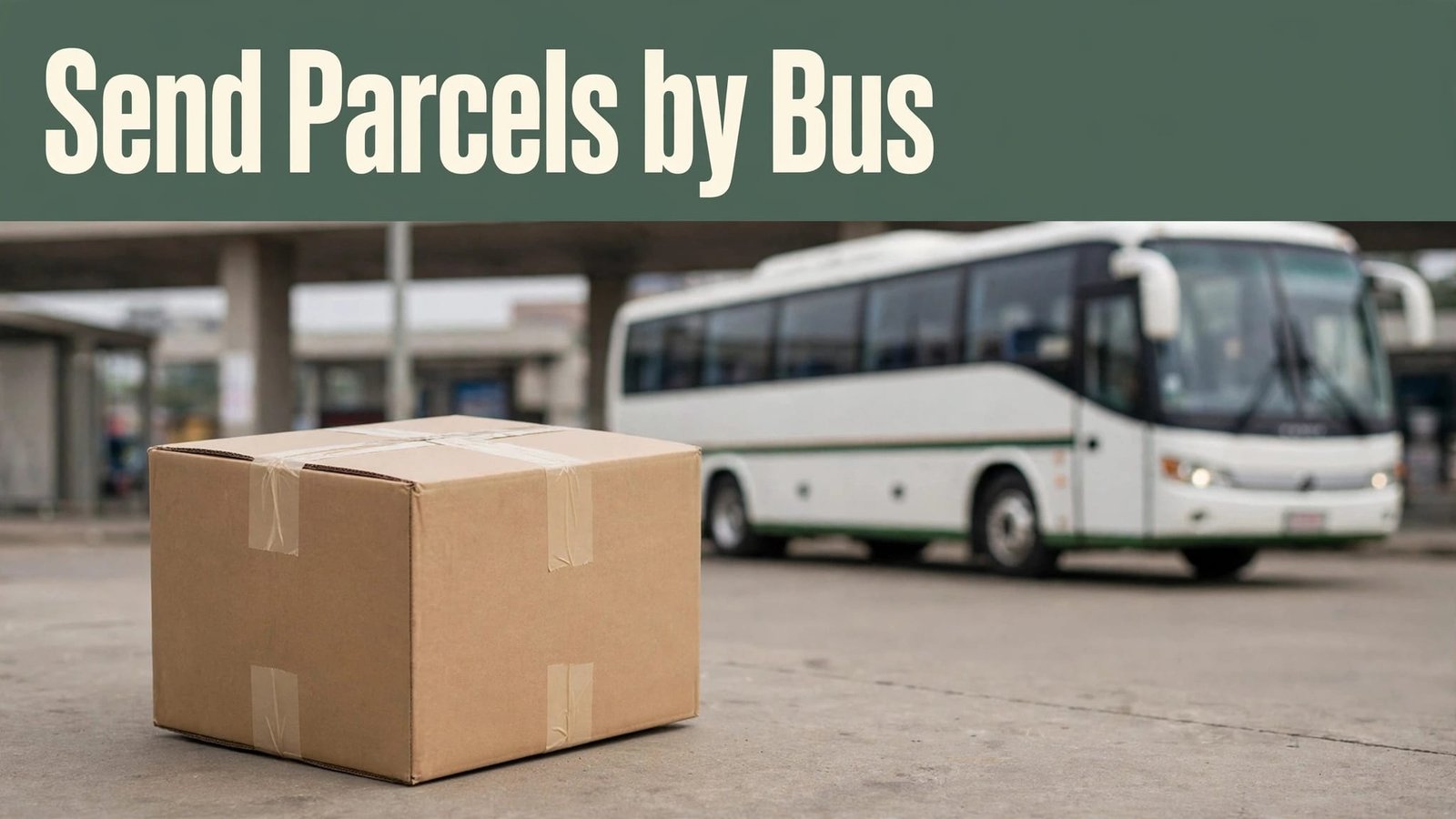
Yes, and it’s often the cheapest option on the route. Operators like ABC Transport, GUO, and GIGM carry parcels on the same coaches as passengers, so your box arrives roughly when a passenger would. Ask for the parcel quote at the terminal, since it has nothing to do with the passenger fare list.
What happens if my package arrives damaged or gets lost?
That depends entirely on the liability terms you agreed to before dispatch, which is why you must ask in advance. A provider with no clear answer on compensation is a provider to avoid. Get the terms in writing, keep your waybill, and confirm the item’s condition with the receiver before you let the receipt go.
Do delivery prices change during festive periods?
They do, sometimes sharply. Demand spikes around Christmas, Easter, and Sallah, riders and trucks get booked out fast, and fuel costs feed into fares. Book earlier than usual, get the total in writing, and add buffer days to any deadline you promise a customer.
How do I verify a logistics company is genuine before paying?
Check the company through its official website, a staffed terminal, or a verified phone line before any payment. Never send money to a personal bank account, and never accept a forwarded screenshot as booking proof. A registered operator will issue a receipt or waybill without hesitation; the ones that dodge that request are the ones costing Lagos residents money every week.
Conclusion
Most supply chain problems in Lagos come down to one habit: confirm first, book second. Match the service to your shipment, verify the provider through its official channel, get the total cost in writing, and keep your waybill until the receiver confirms collection.
Then cover the details people skip. Confirm the exact pickup or collection point, ask who pays if goods get lost or damaged, and check the provider’s coverage against your actual routes. Rates, terminals, and rules shift with fuel prices and demand, so verify current figures directly with the operator before your money moves.
For the next leg of your planning, the LagosMove guides on courier services in Lagos, interstate bus parcel delivery, and trusted transport companies go deeper on each option. Get the checks right, and logistics stops being a gamble. It becomes a system you can rely on.
Leave a Reply