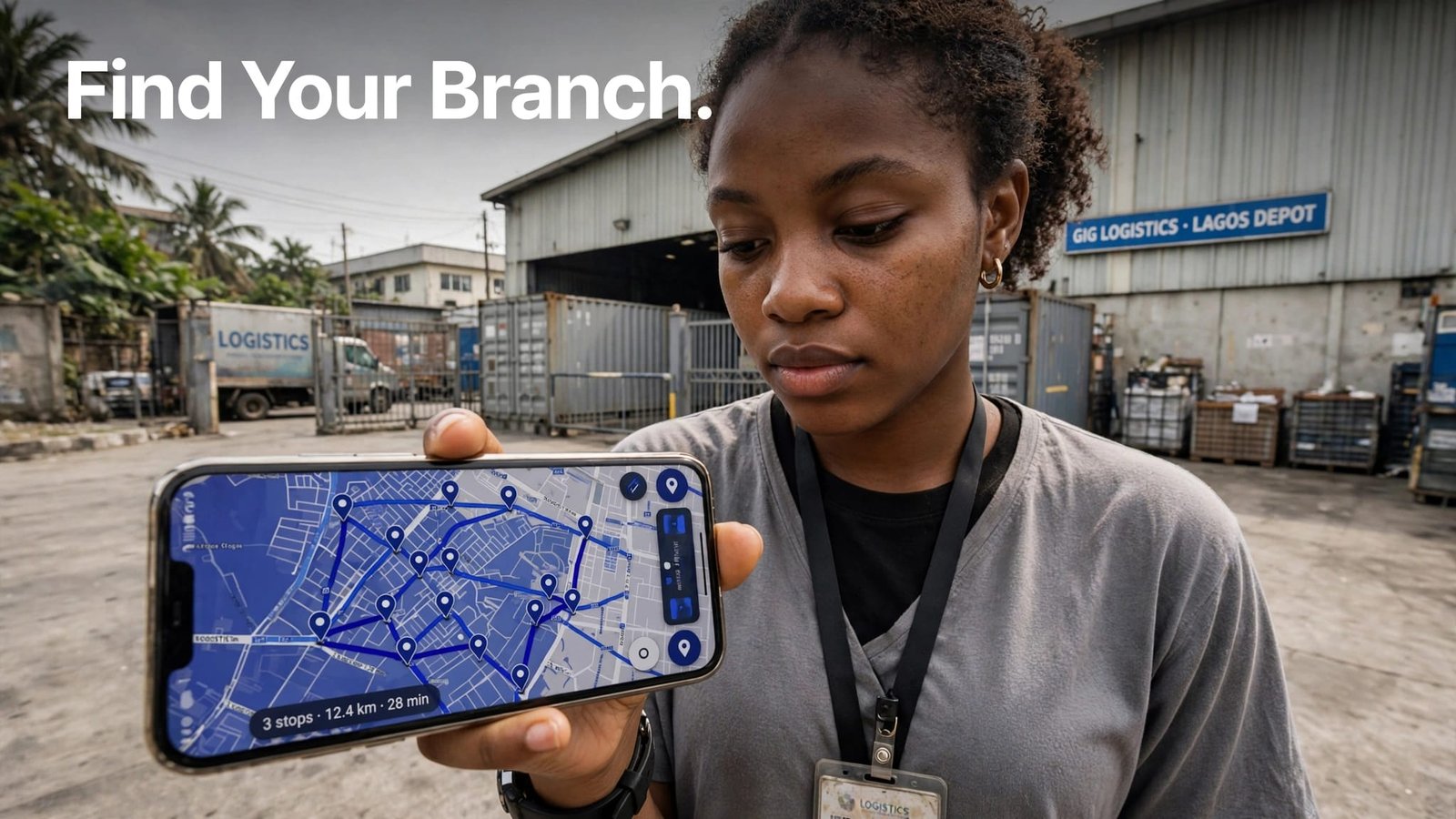
Planning a step-free trip in Lagos means checking every part of the journey, not only the bus, train or ferry. Lagos transport accessibility depends on the route to the stop, boarding conditions, transfers and the final walk.
Lagos State’s transportation network combines regulated services with informal transport that reaches neighbourhoods fixed routes miss. Service and access details differ, so plan around the specific trip you need to make.
Key Takeaways
- Lagos residents rely heavily on informal transit: the Atlas of Popular Transport estimates that 60 to 80% use danfos.
- BRT, rail and ferries cover selected corridors, so public transport may require a local connection at either end. For an intermodal trip, check access at each transfer.
- A LAMATA charter describes ramp access into the Blue Line ticket hall, but that alone doesn’t confirm step-free access for the entire journey.
- First and last mile buses were launched to link residential routes with main transit corridors. Their 2021 launch figures are historical programme details, not a current fleet count.
- Check the approach to each stop, boarding, transfers and the route after you get off. Allow flexible travel time because congestion can affect the journey.
What “step-free” means across a Lagos journey
A step-free label needs to cover the complete trip. A ramp at a station entrance doesn’t tell you whether you can reach the platform, board the vehicle, transfer comfortably or exit near your destination.
Check each connection, not just the main service
Break your trip into separate legs: your starting point to the first stop, the main ride, each transfer and the final connection. Check the road transport infrastructure and walking approach to each stop. Note steps, kerbs, uneven pavement, drainage, flooding, crossing points and boarding arrangements that could prevent you from continuing without stairs.
If your route crosses a corridor such as the Lagos-Abeokuta expressway, check the crossing and approach. Don’t assume a pedestrian bridge is step-free; verify there’s a usable route.
This matters even when a route appears simple on a map. A BRT corridor or rail line may cover the middle of your trip, while the journey to the station still depends on a local bus or a walk. Check local infrastructure updates for construction or closures that could affect the walking approach.
Use published access information precisely
LAMATA’s Rail Customer Charter says Blue Line stations have ramp access from street level into the unpaid side of the ticket hall. That describes a particular part of station access. It doesn’t establish that every section from the street to the train is step-free.
Nigeria’s 2018 disability law also addresses accessibility of vehicles and transport facilities. Read the Discrimination Against Persons with Disabilities Act for the legal provisions, and distinguish a legal requirement from confirmation about a specific vehicle or facility. Check applicable Lagos State transportation service or facility information for your specific location.

Danfos, koropes and kekes reach beyond fixed routes
A large share of everyday Lagos travel happens outside the formal network. The Atlas of Popular Transport estimates that between 60 and 80% of Lagosians rely on informal minibuses known as danfos.
Choose the mode by the trip it covers
A danfo is a yellow minibus with room for up to 18 passengers. Koropes are smaller shared buses suited to medium-density routes. Kekes, or keke Napep three-wheelers, often handle short last-stretch trips to a doorstep or local destination.
| Mode | Typical role | Step-free detail to plan |
|---|---|---|
| Danfo | Flexible shared trips and feeder connections | Whether the boarding point and vehicle entrance work for your needs |
| Korope | Smaller shared routes | The same boarding and exit checks, including the stop location |
| Keke | Short local connections | Entry, seating and space for any mobility aid |
The mode name doesn’t guarantee an accessible vehicle or boarding point. Even for last mile connectivity, check the actual bus stops, approach, and vehicle entrance and exit.
Informal doesn’t mean unstructured
Agberos, street-level fee collectors, manage an informal system that the Atlas describes as a structured code system. Danfos also feed passengers into BRT stations, so they are part of how many people reach formal services.
Traffic and congestion can make travel times vary, so allow extra time for transfers. Use mapping to compare broader route choices, then verify mapped details against current operator or official service information.
Frequently Asked Questions
What does a step-free journey in Lagos require?
Check each part of the trip, including the approach to the stop, boarding, transfers and the route after you get off. A ramp at a station entrance doesn’t confirm that the entire journey is step-free.
Does the Blue Line have step-free access?
LAMATA’s Rail Customer Charter says Blue Line stations have ramp access from street level into the unpaid side of the ticket hall. It doesn’t confirm step-free access from the street all the way to the train.
Are danfos, koropes and kekes step-free?
Their vehicle types and boarding points don’t guarantee step-free access. Check the approach, vehicle entrance and exit, and whether there’s space for any mobility aid.
How can I plan an accessible route in Lagos?
Break the trip into legs and check the route to each stop, boarding arrangements, transfers and the final walk. Allow flexible travel time because congestion can affect the journey.