Your ticket says Lagos, but it doesn’t say which park. You could be standing at Oshodi while your coach loads at Jibowu, and showing up at the wrong one means a missed departure and a wasted trip.
That’s the mistake this guide helps you avoid. LagosMove is an independent information platform, not an operator, booking agent, or hotel. We publish practical info on routes, fares, terminals, and booking steps, and we don’t sell tickets ourselves.
Below, you’ll find everything you need to plan a Lagos to East Nigeria by bus trip to Onitsha, Owerri, Enugu, Aba, or Port Harcourt with confidence: the operators, the parks they use, what fares look like, and how to book without stress.
Let’s start with what the journey actually involves.
Key Takeaways
- Confirm the exact terminal and gate (Jibowu, Ojota, Ajah, Festac, Maza-Maza) with your operator before you pay, since buses to Onitsha or Port Harcourt may load from different parks.
- Book only through the operator’s official website, app, or staffed counter; never transfer money to a personal bank account, no matter how cheap the fare looks.
- Treat any quoted fare as an estimate; ask about booking fees, seat-selection charges, and excess-baggage costs so you budget the full trip.
- Get the reporting time, destination town, and refund terms in writing, and keep your receipt, booking reference, and a ticket screenshot offline.
- Leave 60 to 90 minutes early for the park, because Lagos traffic and wrong-side crossings are what actually make you miss the bus.
Can You Really Take a Bus From Lagos to Eastern Nigeria?
Yes, you can. Private interstate coach companies run daily trips from Lagos to Onitsha, Owerri, Enugu, Aba, and Port Harcourt, and seats are usually available if you book ahead. Names like GIGM, GUO, ABC Transport, Chisco, and Peace Mass Transit commonly serve these corridors, though routes and loading points change, so verify with the operator before you pay.
Here’s the first thing to understand: this is an interstate coach journey, priced and scheduled by private companies. LAMATA publishes fares for BRT and city routes only, so a price list for urban Lagos tells you nothing about this trip. Your fare, departure time, and boarding park all come from the coach operator, not from any city transport authority.
The bigger risk isn’t the journey itself. It’s showing up at the wrong park. Consider Chidi, who booked a cheap online ticket to Enugu, assumed the bus left from Ojota because a friend told him so, and never called to confirm. The coach actually loaded at Ajah. He crossed the Island in peak traffic, arrived 40 minutes late, and watched his bus pull out. That mistake cost him the fare, a wasted afternoon, and another ticket.
One quick way to protect yourself: call or message the operator on travel morning. Terminals shift departures when demand or vehicle availability changes, so a two-minute call can save you a two-hour cross-city trip.
The core rule: never treat a ticket that says “Lagos” as a complete boarding instruction. Confirm the exact park, gate, and reporting time before money moves.
Which Bus Operators Run the Lagos to East Nigeria Route?
Plenty of companies do. Roughly 150 interstate bus companies load passengers in Lagos daily, and a good chunk of them run eastbound trips to Onitsha, Owerri, Enugu, Aba, and Port Harcourt. The names you’ll see most often include GIGM, GUO Transport, ABC Transport, Chisco, Peace Mass Transit, and Cross Country.
Treat those as examples to verify, not endorsements. Your job is simple: pick a company, then confirm the exact park it uses for your route and date. The same company can load one route at Jibowu and another at Ajah, so the company name alone doesn’t tell you where to go.
Here’s how the major operators generally compare:
| Operator (example) | Common Lagos departure areas | Booking method | Best for | What to confirm with the operator |
|---|---|---|---|---|
| GIGM | Oshodi, Ojota, others | Website, app, counter | Eastern corridor trips | Exact gate and date |
| GUO Transport | Jibowu, Ajah, Iyana-Ipaja, Maza-Maza | Website, office | Southeast and south-south | Terminal for your route |
| ABC Transport | Festac axis, Jibowu | Website, counter | Executive coach comfort | Loading bay and time |
| Chisco | Ajah, Jibowu | Website, counter | Southeast routes | Reporting time |
| Peace Mass Transit | Multiple parks | Site and counters | Budget trips | Departure point |
| Cross Country | Various parks | Website, office | South-south destinations | Gate and luggage terms |
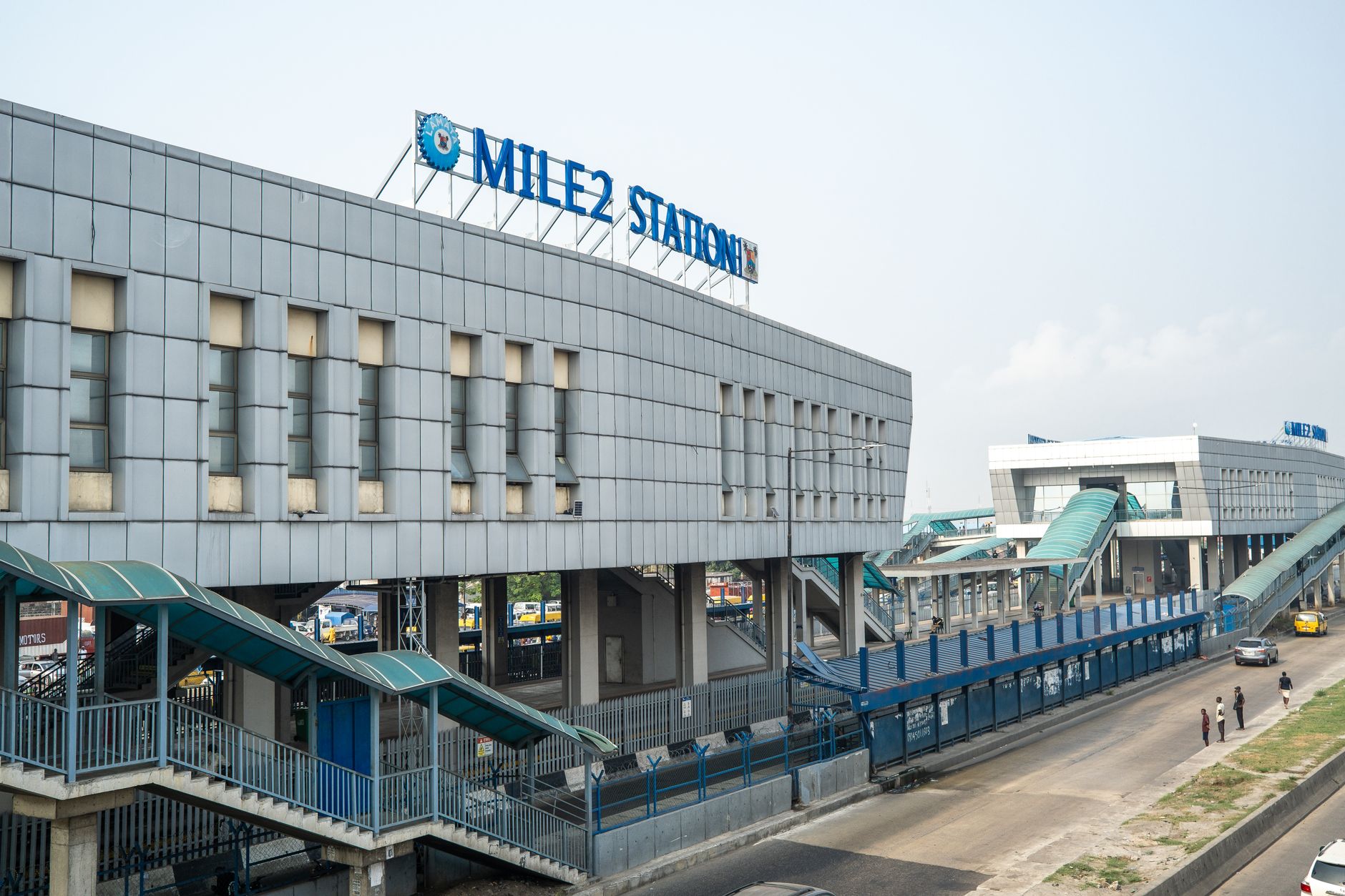
Photo by David Iloba
Standard Coach or Executive Coach?
The vehicle class changes both the fare and the trip. A standard coach costs less but usually makes more stops and offers fewer frills. An executive or luxury coach gives you air conditioning, roomier seating, and fewer passengers, which matters when you’re facing a 7 to 10 hour road journey. Some operators also load shared Sienna or Hiace vehicles for travelers who want faster, more flexible loading, though luggage space is tight.
Decide what comfort is worth to you before you book, then confirm the vehicle type with the operator so you know exactly what you’re paying for.
What Does a Bus From Lagos to the East Cost?
There’s no single price for a Lagos to East Nigeria by bus trip, and anyone who gives you one fixed figure is guessing. Each operator sets its own fare, the way two airlines can charge differently for the same flight. The route is identical; the seat, service, and boarding point are not.
As a planning range (not a promise), most Lagos to southeast fares fall between ₦25,000 and ₦50,000, depending on where you’re going and what you book. Lagos to Enugu often sits at the lower end of that band, while Port Harcourt and Aba trips in an executive coach can climb higher. Treat every figure you see online, including these, as an estimate to confirm with the operator before you pay.
What Actually Moves the Price
Several factors push your fare up or down, and most of them are within your control:
- Vehicle class. A standard coach costs less than an air-conditioned executive coach with roomier seats.
- Travel date and season. Christmas, Easter, Sallah, and long holiday weekends push demand (and fares) up sharply. Cheaper seats sell first.
- Departure terminal. A bus loading at Jibowu may not cost the same as a similar service leaving Ajah, Festac, or Maza-Maza.
- Fuel and road conditions. Diesel and petrol prices feed directly into interstate running costs, so fares shift when fuel does.
- Booking extras. Seat-selection fees, booking charges, and excess-baggage costs can pad the final total beyond the advertised figure.
A quoted fare is a starting figure, not the final price. Ask what it covers before money moves.
Check These Five Things Before You Pay
- The exact boarding terminal and gate (Jibowu, Ojota, Ajah, Festac, or wherever your bus actually loads).
- The reporting time and departure time, since reporting is usually earlier.
- The total fare, including any booking or seat-selection fees.
- The luggage allowance and the cost of extra bags.
- The refund and rescheduling terms, in writing if possible.
Do that two-minute check, and you’ll never be surprised at the counter.
Choosing the Right Lagos Terminal for Your Eastern Trip
Here’s the Lagos trap in one sentence: the closest park to your house may not serve your route at all. A nearby terminal that doesn’t load your bus just adds a wasted trip, another fare, and possibly a missed departure. Match the park to your operator and destination first, then worry about distance.
Which Park Fits Your Neighborhood?
Each departure area serves a different set of routes and travelers, so start with where you live:
- Jibowu and Yaba. Busy Mainland nodes for interstate coaches, handy if you’re around Surulere, Maryland, or Ikeja.
- Ajah. Suits anyone coming from Lekki, Sangotedo, or Victoria Island, since it saves you a costly Island-to-Mainland crossing.
- Oshodi and Ikeja. Practical for the airport corridor and northern Mainland departures.
- Festac, Maza-Maza, Mile 2, and Amuwo-Odofin. These cover western Lagos, including the Badagry side of the city.
- Ojota and Berger. Useful if you’re coming in along the Lagos-Ibadan Expressway.
One operator can use several of these at once. GUO, for example, has listed Lagos locations including Jibowu, Ajah, Iyana-Ipaja, and Maza-Maza. Which one serves your Onitsha or Owerri trip depends on the date, so check the live booking result, not an old forwarded message.
Choose the Confirmed Point, Not the Closest One
A longer ride to the correct park always beats a short trip to the wrong one. Confirm the exact gate, landmark, and reporting time before you set out, and add 60 to 90 minutes of buffer for traffic, especially when crossing between the Island and the Mainland.
Our Lagos bus terminals guide breaks down the major parks in more detail, so you know exactly where to head on travel morning.
How to Book Your Bus Ticket Safely (and Avoid Scams)
Most booking losses in Lagos don’t come from clever fraudsters. They come from skipping one verification step. Fix that, and you’re already ahead of most travelers booking a bus to the East.
Use Channels You Can Verify
Book through the operator’s own website, mobile app, verified WhatsApp line, or a staffed counter at the park. These channels answer questions, issue a booking reference, and stay consistent if something changes later.
Everything else is only a lead until the company confirms it. A forwarded screenshot, a social media message, or a “special price” from a roadside agent means nothing until you check it against the operator’s published contact details. If confirmation never arrives, call the company’s official number instead of paying again.
Never send money to a personal bank account, no matter how sweet the fare looks. Real bookings go to the company’s name through its recognized channel, and they hand you a proper reference before your money moves.
Your Pre-Payment Checklist
Run through these five checks before paying for your Lagos to East Nigeria by bus trip:
- Confirm the operator name and destination, down to the arrival town (Onitsha, not just Anambra).
- Verify the exact terminal, gate, travel date, and seat number.
- Check the total fare, including booking or seat-selection fees.
- Ask about luggage allowance and excess-baggage charges.
- Get the refund and rescheduling terms in writing, then save the operator’s support contact on your phone.
Keep your ticket, booking reference, and payment receipt together on your phone, plus one screenshot as backup, because network service drops at exactly the wrong moment.
A ticket to “Lagos” with no terminal, no booking reference, and no support number isn’t a ticket yet. It’s a promise.
For the full step-by-step process, our guide on how to book interstate bus tickets in Nigeria covers online and counter booking in detail.
Travel Day: What the Lagos to Eastern Journey Actually Feels Like
Booking done, now comes the real test. A Lagos to East Nigeria by bus trip eats most of your day. Expect 8 to 12 hours or more to Onitsha or Port Harcourt in decent conditions, and longer when traffic, checkpoints, rest stops, and rain pile up. The bus will stop for fuel, food, and passenger breaks, so treat the timetable as a guide, not a promise.
Leave Lagos with time to spare. A 6:00 a.m. departure doesn’t mean you arrive at the park at 6:00 a.m. Aim to get there 30 to 60 minutes before the reporting time, more if you’re crossing from Lekki, Ajah, or the Island. Don’t schedule a meeting, flight, or delivery close to your expected arrival.
Your Travel Day Checklist
- Reconfirm the gate the night before, because operators sometimes shift loading points between parks.
- Arrive at reporting time, not departure time, or you may watch your bus pull out.
- Keep valuables with you: ID, cash, medication, and phone stay in hand luggage, never the hold.
- Charge your phone fully and carry a power bank, since network drops at the worst moments.
- Save the operator’s support contact so you can reach someone if the vehicle changes or the trip runs late.
Packing for the Road
Pack water, light snacks, and a small layer, because AC coaches get cold around 2 a.m. Label bigger bags with your name and phone number. Share your operator, terminal, and booking reference with someone at home.
Check the vehicle with terminal staff before boarding, and confirm your seat matches your ticket. Then settle in. It’s a long ride, but a prepared one.
Frequently Asked Questions
Still weighing a detail or two? These are the questions travelers ask most after planning a Lagos to East Nigeria by bus trip, answered short and straight.
Do buses to the East leave Lagos every day?
Yes, most major operators run daily departures to cities like Onitsha, Owerri, Enugu, Aba, and Port Harcourt. Frequency rises during festive seasons and drops on low-demand routes. Confirm your specific date with the operator, because schedules shift with demand and vehicle availability.
How long does the trip take in December?
Expect the usual 8 to 12 hours to Onitsha or Port Harcourt, plus several more hours of delays. Heavy traffic out of Lagos, crowded parks, checkpoints, and multiple passenger pickups all slow things down. If you have a fixed event, travel a day early.
Is it safe to travel overnight?
Many coaches run overnight and arrive early the next morning. Choose a reputable operator with a confirmed vehicle, keep valuables in your hand luggage, and share your booking details with someone at home. If you’re uneasy about night driving through checkpoints or bad road sections, pick a morning departure instead.
Can I buy my ticket at the park on the day?
Often yes, but it’s risky. Seats on popular routes sell out fast, especially on Fridays, Sundays, and festive periods. Booking online or by phone through the operator’s official channel locks your seat and gives you a reference if anything changes.
What happens if my bus breaks down?
The operator should transfer passengers to another vehicle, though this can take hours depending on location. Save the company’s support contact before you travel so you can call directly. Keep water, snacks, and a charged power bank with you, since help may not arrive quickly.
How much luggage can I bring?
Allowances differ by operator and vehicle class. Some companies include one suitcase in the hold, while others charge for extra bags or bulky items. Ask about the limit and excess-baggage cost before you pay, and keep medication, documents, and cash with you, never in the hold.
Conclusion
You’re ready. Here’s your Lagos to East Nigeria by bus checklist, in order:
- Pick an operator that serves your route, then confirm it runs on your date.
- Get the exact terminal and gate in writing, since a ticket that says “Lagos” names no park.
- Check the total fare, luggage allowance, and excess-baggage terms before money moves.
- Book through the operator’s official website, app, or staffed counter, never a personal bank account.
- Save your booking reference and receipt on your phone, plus one offline screenshot.
- Show up at reporting time, not departure time, with 60 to 90 minutes of traffic buffer.
Verify those six things and you’ve prevented most travel disasters before they happen. Wrong parks, lost fares, and missed departures are planning failures, not bad luck.
For planning your departure time, check the Lagos bus schedules page, and if you’re staying a few days first, our guide to places to visit in Lagos covers what’s worth your weekend.



Leave a Reply