Leave the Lekki-Epe Expressway before 6:30 a.m. or between 10 a.m. and 1 p.m. to beat the worst traffic. On weekdays, the corridor peaks twice: from 6:30 to 9:30 a.m. toward the Island, and from 4:30 to 8:00 p.m. back toward Ajah. Outside those windows, the same journey can run at half the time. This guide breaks down the departure windows that hold, the specific exits that jam, and the conditions (rain, road works, events) that break the normal pattern.
Key Takeaways
- Depart before 6:30 a.m. or use the 10 a.m. to 1 p.m. midday window for the most predictable run.
- Avoid 7:00 to 9:30 a.m. inbound and 4:30 to 8:00 p.m. outbound; a 25-minute trip can swallow two hours.
- Watch the Lekki Phase 1 roundabout, Ajah Under Bridge, and the Jakande, Chevron, and Ikate exits.
- Add a buffer hour when heavy rain is forecast between May and October.
- Check live traffic, search for closures, and hold a backup route before every trip.
When Is the Best Time to Travel on the Lekki-Epe Expressway?
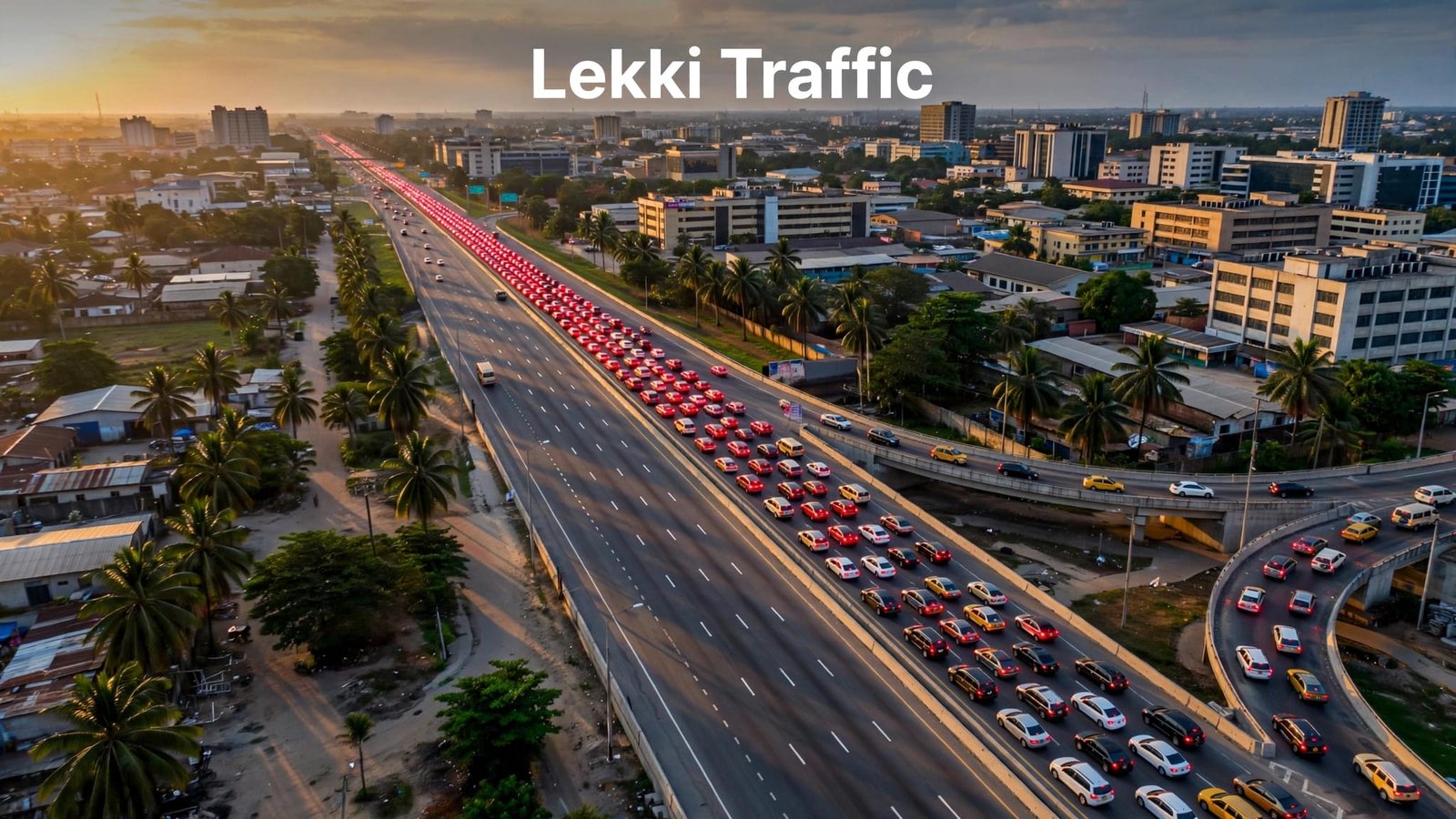
The corridor keeps a fixed rhythm on most weekdays. Traffic starts building around 6:30 a.m., holds heavy through 9:30 a.m., thins at midday, then rebuilds from 4:30 p.m. and clears after 8:00 p.m. Plan your departure around those four boundaries rather than around distance. A route that takes 25 minutes off-peak can take two hours at 7:30 a.m. Three windows give you a realistic edge.
Leave Before 6:30 a.m. to Beat the Morning Rush
Set your departure between 4:30 and 5:15 a.m. if you start from Lekki Phase 1, Ajah, or Sangotedo. At that hour, you clear the residential stretches and the Phase 1 roundabout before the commuter wave from the Island builds. The road stays light until the morning peak arrives from the opposite direction.
The early window also carries practical benefits. The air stays cool, so your engine and air conditioning work less. Idling time drops, which cuts fuel burn on a corridor where queues waste more petrol than distance does. And you make the trip in daylight, which matters for a road with frequent works and unpredictable diversions. Fill the tank the evening before, not at dawn. Allow at least 45 extra minutes for estate gates and any island crossing you need to make before joining the expressway.
The 10 a.m. to 1 p.m. Window: Your Reliable Backup
Use 10:00 a.m. to 1:00 p.m. if an early start is impossible. This off-peak gap works for drivers leaving Victoria Island, Ikoyi, Lekki Phase 1, Yaba, Surulere, or Ikeja. The first rush has eased, and the evening build has not started, so the road moves at a steadier pace.
Expect traffic, not an empty road. Construction crews, broken-down trucks, fuel queues, and light rain still cause delays at midday. The value of this window is predictability: the variance between a good day and a bad day is far smaller than at 7:30 a.m. or 5:30 p.m. Budget the trip against the midday clock, not against a Sunday-morning memory of the same route.
Hours You Should Avoid Completely
Keep off the expressway during two windows on weekdays. Avoid 7:00 to 9:30 a.m. if you are heading inbound toward Victoria Island or Lagos Island. Avoid 4:30 to 8:00 p.m. if you are heading outbound toward Ajah and the estates beyond it. Commuter volume drives both peaks, and bridge crossings clog first, so everything behind them follows.
Two bottlenecks sit outside the weekday pattern. Friday evenings jam earlier and hold longer as leisure traffic joins commuters. Sunday evenings jam in the reverse direction, as travelers return to town before the working week. A 2025 traffic study of Yaba and Sabo, which analyzed 186,624 records at four junctions between January and August 2025, measured average speeds of 13.95 km/h between 3 p.m. and 7 p.m., against 50.11 km/h at night, and found Friday congestion 25% higher than other weekdays. Those figures describe the study locations, but the pattern matches what the Lekki corridor does every week. A 25-minute run at 5 p.m. on a Friday can become a two-hour crawl.
Which Exits and Intersections Jam the Most on the Lekki-Epe Expressway
Timing handles half the problem. The other half is geography: a few points on the corridor account for most of the delay. Know them before you join the road, because a single blocked exit can hold you for an hour without warning.

Photo by Opeyemi Adisa on Unsplash
Lekki Phase 1 Roundabout and Admiralty Way
The first roundabout at Lekki Phase 1 is the corridor’s most predictable chokepoint. Queues backing up from Admiralty Way and the turn-offs into Phase 1 spill onto the main carriageway, and the expressway loses a lane of speed for several hundred metres. Weekend traffic builds before noon and crawls until late evening, especially around holiday periods when leisure traffic joins the commuter flow.
Plan around it two ways. Arrive at the roundabout before 11 a.m. on a Saturday, or route your journey so the roundabout falls outside the peak direction of your trip. Confirm the exact stop or venue entrance with your driver before setting out, because roadside landmarks along that stretch change often.
Ajah Under Bridge and the Sangotedo Stretch
Ajah Under Bridge is the second major jam, and it behaves differently from Phase 1. Toll points, commercial transport stops, and turning traffic compress at the interchange, so even moderate volume slows to a crawl. Rain makes it worse: lanes around Ajah flood during heavy downpours and can close for hours.
Drivers coming from Sangotedo or further out face a second layer of delay. Estate gates along the corridor meter vehicles onto the expressway one estate at a time, and road works add hold-ups that shift without much notice. Leave before first light if you start from this stretch, and check your fuel level before joining the road. A stalled run out of fuel at Ajah costs you far more than a stop at a filling station the night before.
Jakande, Chevron, and the Ikate Exit
Three mid-corridor exits take the remaining share of the delay. Jakande and Chevron clog with commuter traffic in the morning and with commercial vehicles and estate traffic in the evening. Neither exit clears quickly once queues form, because the service lanes feed the same junctions.
Ikate behaves better than most. Turning off at Ikate is usually the simplest route toward the beach and leisure spots along that axis, and the exit handles turning traffic with fewer conflicts than Phase 1. Choose Ikate over Phase 1 when your destination allows it, and compare live navigation before you commit. From the Mainland, crossing the Third Mainland Bridge or Eko Bridge first, then working down the corridor, often beats cutting across at the worst exit.
How Rain, Road Works, and Event Days Change Your Journey
The weekday pattern is only the baseline. Three conditions rewrite it: rain, road works, and events. Treat each one as part of the route, not a footnote, because each can double your time or close the road outright.
Why Rain Between May and October Can Double Your Travel Time
The rainy season runs from May to October, and it changes the corridor’s math. A downpour that would add ten minutes elsewhere can add an hour here, because flash flooding closes lanes on the Lekki-Epe Expressway, around Ojota, Ajah, and Mile 2. A 40-minute run can swallow two hours when flooded lanes force every vehicle into the same space.
Apply two rules. Add a buffer hour whenever heavy rain is in the morning forecast for your travel day. And never drive through water when you cannot see the road surface; stalled vehicles and hidden ditches cause more damage than the delay itself. Check the forecast on the morning you travel, not days before. A storm expected later in the day may not touch your outbound trip, but it can still disrupt your ride home.
Road Works, Bridge Closures, and Big Events to Watch For
Repairs and closures change conditions faster than any timetable. In September 2026, repairs on the Kara Bridge along the Lagos-Ibadan Expressway produced gridlock stretching more than 20 kilometers, while the Oke-Afa Bridge closure disrupted Isolo and Ejigbo traffic for three weeks. Those works hit other corridors, but they show how quickly a route can fail.
Events close roads too. On the weekend of the Victoria Island Carnival in September 2026, roads like Ozumba Mbadiwe Avenue and Ahmadu Bello Way were affected, and those are corridors many drivers use to reach the Lekki axis. Before you set out, run three checks. Open Google Maps or a Lagos traffic source for live conditions on your route. Search for closures on your exact corridor, especially bridges and event routes. Pick a backup route, so a single closure does not strand your plans.
Planning Your Trip: Route Tips That Actually Save You Time
Timing and exits come together in one habit: plan the trip against its worst realistic day, not its best one. The steps below turn the corridor’s pattern into a schedule you can act on.
Compare Your Route Options Before You Leave
Your starting point decides your clock, so match the route to where you are, not to habit. From Victoria Island, the Lekki-Ikoyi Link Bridge or the Falomo route onto the corridor takes 20 to 35 minutes off-peak, and can pass 90 minutes on a rainy Friday evening. From the Mainland at Yaba, Surulere, or Ikeja, the Third Mainland Bridge or Eko Bridge puts you on the corridor without crossing the Island at its busiest points. From Ajah or Sangotedo, direction matters most: you move with the morning rush toward the Island or with the evening rush back toward the estates.
| Starting point | Usual approach | Off-peak time | Main risk window |
|---|---|---|---|
| Victoria Island or Ikoyi | Lekki-Ikoyi Link Bridge or Falomo | 20 to 35 minutes | Friday and holiday evenings |
| Ikeja, Yaba, Surulere | Third Mainland or Eko Bridge | 45 minutes to 1 hour | 6:30 to 9:30 a.m. inbound |
| Ajah or Sangotedo | Direct on the corridor | 20 to 40 minutes to Phase 1 | 4:30 to 8:00 p.m. outbound |
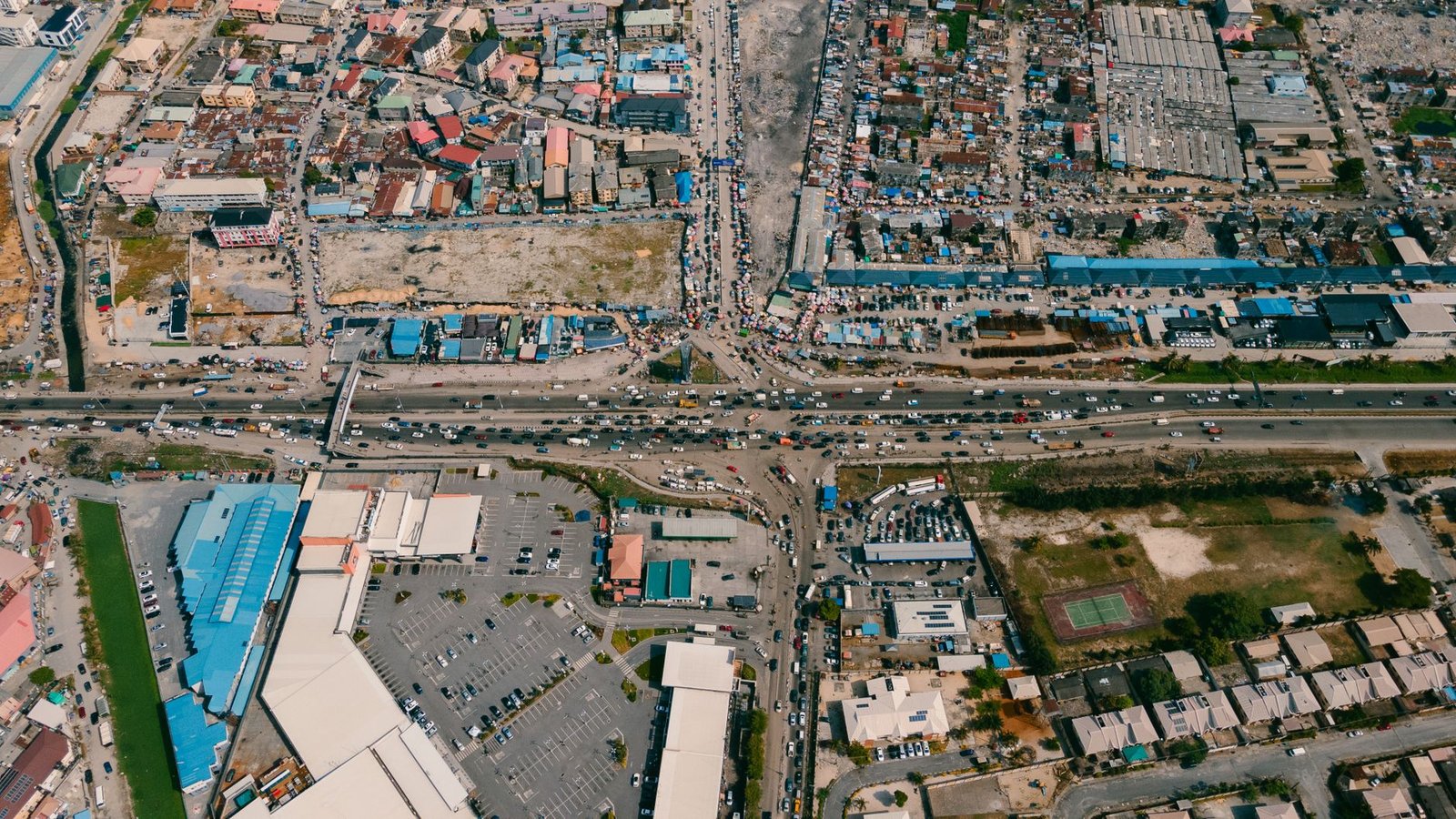
Photo by Ben Iwara
Build Your Schedule Around the Worst Realistic Time
Budget 2.5 hours for a trip that can take 2, and treat the difference as insurance rather than waste. Confirm the exact venue entrance before you leave, because map pins along the corridor often sit on the wrong side of the expressway. Plan the return journey before dark, when exit visibility and taxi availability both drop.
Prepare the vehicle and yourself for the corridor’s demands. Fill the tank the night before, keep cash for toll points and parking, carry drinking water, and start with a charged phone. If a booking or meeting fixes your arrival time, move the trip earlier rather than trusting the midday window to hold.
Frequently Asked Questions
Is weekend traffic lighter than weekday traffic on the corridor?
It depends on the time. Weekend mornings stay light until about 11 a.m., when leisure traffic builds toward the beaches and venues. Weekend evenings along the corridor often run worse than weekday evenings, especially around Elegushi and nearby party spots.
Which day of the week is worst on the Lekki-Epe Expressway?
Friday carries the heaviest combined load. Commuters and leisure traffic overlap from early afternoon, and the evening peak starts earlier and lasts longer than on other weekdays. Start any Friday trip before 6:30 a.m. or after 8:00 p.m.
Does the Blue Line rail help commuters on this corridor?
No. The Blue Line runs between Marina and Mile 2, which serves a different axis entirely. It can reduce road traffic on its own corridor, but it does not serve Lekki, Ajah, or Sangotedo.
Should I travel at night instead of the early morning?
Not automatically. Overnight travel avoids congestion, but visibility, fatigue, security, and roadside assistance are all less favorable. An overnight departure is a separate safety decision, not a traffic shortcut. The pre-dawn window gives you the same clear road with better conditions.
What happens to the corridor during public holidays?
Holidays like Christmas, Easter, Sallah, and New Year push heavy demand onto the corridor as people travel at the same time. Traffic near the Phase 1 roundabout and Ajah builds earlier and lasts later than on normal weekends. Shift your departure earlier by at least an hour on holiday travel days.
Conclusion
On the Lekki-Epe Expressway, your departure time matters as much as your destination. Two windows carry the corridor reliably: leave before 6:30 a.m. to clear the morning rush, or use the 10 a.m. to 1 p.m. midday gap when an early start is not possible. Avoid the weekday peaks, respect the jams at Phase 1 roundabout and Ajah Under Bridge, and add a buffer hour when rain is forecast. Check live traffic and the weather before every trip, and hold a backup route. The road rewards the driver who plans around its clock, every time.
Leave a Reply