The Point of No Return is a shoreline site on Gberefu Island, off Badagry, where enslaved people took their last steps on Nigerian soil. Badagry was one of West Africa’s major departure points in the transatlantic slave trade, and this spot closes that route. The visit surprises most first-timers: you cannot drive there. You drive to Badagry town, cross the water by small boat, then walk the old slave path to the shore.
This guide covers the full journey from Lagos, itemized cost ranges, boat logistics, and an hour-by-hour plan. Treat every figure as a planning estimate; no verified single total for the trip exists, and operators set the final numbers.
Key Takeaways
- The Point of No Return sits on Gberefu Island, across the water from Badagry town, so the visit needs a boat transfer plus a walk.
- The drive from central Lagos runs about 1.5 hours in good conditions; traffic on the Badagry Expressway can stretch it to three hours or more.
- Budget in layers: transport, boat fare, guide fees, site entry, food, and a delay buffer.
- Leave Lagos between 4:30 and 5:15 a.m.; most heritage sites close by late afternoon.
- Carry cash. Card payment is unreliable at the jetty, the boat, and most sites.
What the Badagry Point of No Return Actually Is
Badagry sits on the western edge of Lagos State, near the Benin Republic border. For centuries it was a major departure point for enslaved Africans shipped to the Americas. The town’s museums, barracoons, and memory sites all connect to that history, and the Point of No Return is the route’s final station. Captives held in Badagry were marched to the island’s shore, where boats carried them to waiting ships.
The route to the site follows the captives’ path. You reach Badagry town by road, cross to Gberefu Island by boat from the waterfront, then walk from the landing point along a sandy path to the shore memorial. Along the route you pass slave route markers and the well where captives were reportedly made to drink before the crossing.
The Slave Route and Its Markers
Guides walk you through the sequence: the holding cells in town, the market sites, the chain memorial along the coast, and the crossing point. Each marker carries its own account, and local guides supply the detail no signboard holds. Give the walk unhurried time. The distance is modest, but the story is not.
Conduct at the Site
Treat the site as a place of remembrance, not a photo stop. Dress modestly, follow your guide’s lead, and ask before photographing anything, especially at the memorial and the well. These are places of memory for many families on both sides of the Atlantic. Keep the tone quiet and the group small.
How to Get to the Point of No Return from Lagos
The trip has three legs: the road to Badagry town, the boat to Gberefu Island, and the walk to the shore. Budget time and money for each one separately. Driving to Badagry town does not put you at the site; the excursion only starts there.
The Road Leg: Badagry Expressway and Your Drop-Off Point
Take the Lagos-Badagry Expressway west toward Badagry town. Under good conditions the drive from central Lagos takes about 1.5 hours. Traffic at Okokomaiko, roadworks, or rain can stretch it to two or four hours, so plan the day as a full-day commitment.
Three transport options cover this leg. Ride-hailing works, though drivers may resist the long western run or ask for a return agreement. A hired car with driver gives you a waiting vehicle all day, which suits the multi-stop itinerary. An organized tour package bundles the drive, the guide, and sometimes the boat; it costs more per person but removes the coordination work. Agree on the exact drop-off point in Badagry town before departure, because the museums, the beach access points, and the jetty for Gberefu Island sit in different spots.
The Boat Crossing and the Walk to the Shore
The crossing to Gberefu Island uses small local boats from the Badagry waterfront. The ride is short, but the arrangements are informal, so settle the details before you pay: the boat operator, the fare per person, the departure time, the return plan, and whether a guide comes with the crossing. Ask for the last return time as well; late boats do not wait for stragglers.
This crossing is a separate excursion, not part of any beach visit. Plan it as its own activity with its own time block. A local guide ties the whole route, from the town sites to the island shore, into one coherent story, and local knowledge matters here because access arrangements change.
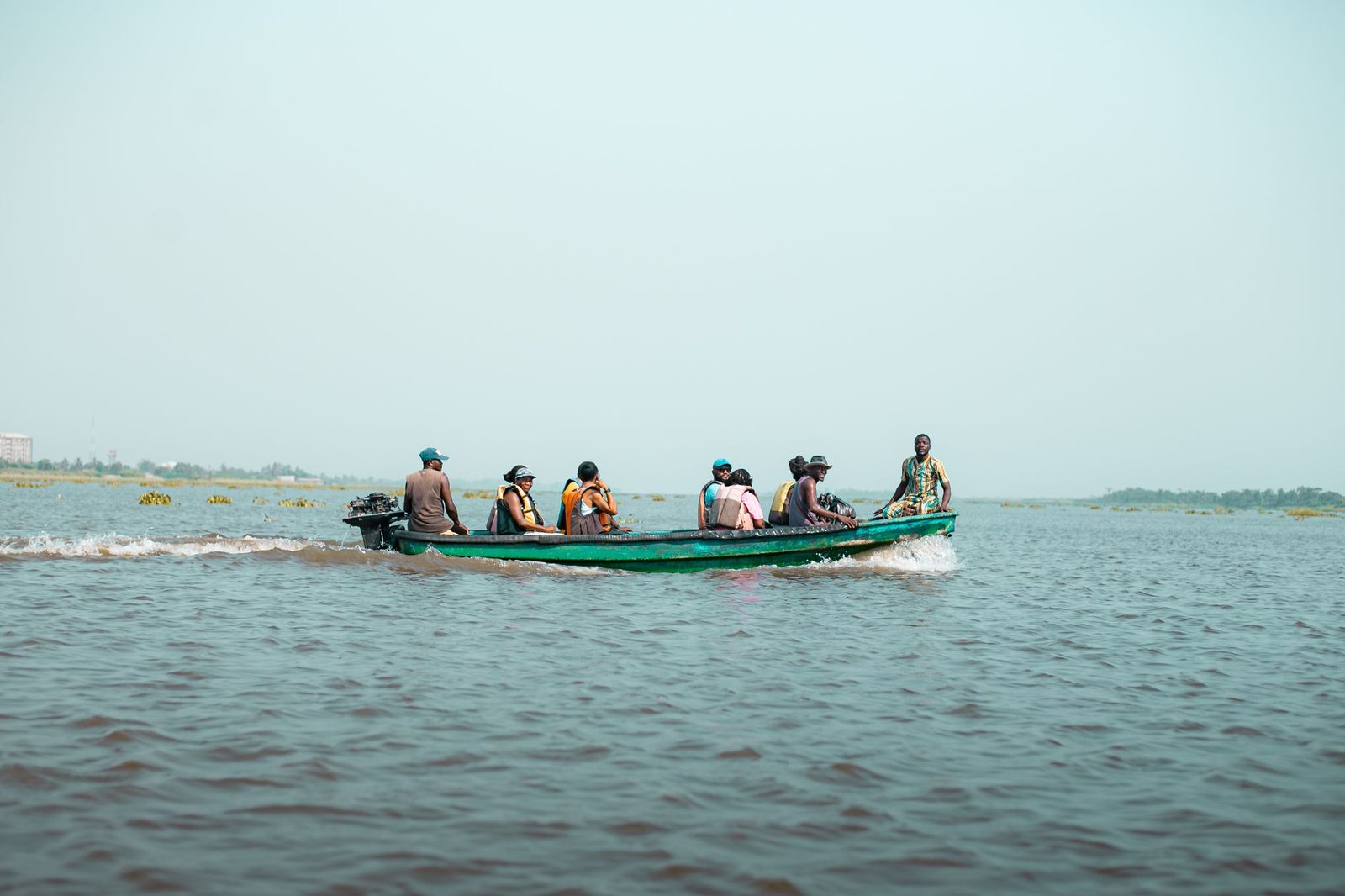
Photo by Oludiran John
What a Day Trip Really Costs: Every Fee to Budget For
No verified total exists for this trip, so itemize the budget yourself. The figures below are honest planning ranges in naira; fuel prices and local rates move often, so treat the top of each range as the safe number.
| Cost layer | Planning range (₦) | What it covers |
|---|---|---|
| Road transport from Lagos | 30,000 to 70,000 | Ride-hail round trip or hired car with driver; less if you self-drive |
| Boat fare to Gberefu Island | 1,000 to 3,000 per person | Short crossing from Badagry waterfront, return included |
| Guide fees | 2,000 to 10,000 | Town sites, slave route walk, or a combined package |
| Site entry charges | 500 to 2,000 per site | Museums and barracoon where fees apply |
| Food and water | 3,000 to 8,000 | Meals and drinking water for the day |
| Delay buffer | 5,000 to 10,000 | Waiting time, extra boat runs, or a later return |
The last line catches people off guard. When the day runs past nightfall, transport home costs more than the morning fare. Count the ride back before you leave, not after.
Your Hour-by-Hour Badagry Point of No Return Day Trip Plan
Leave Lagos between 4:30 and 5:15 a.m. The early start beats the morning peak, and it protects the afternoon for the island excursion. Use this sequence:
- 4:30 to 5:15 a.m. Depart central Lagos. Confirm the driver knows the drop-off is Badagry town, not a beach gate.
- 7:00 to 8:30 a.m. Arrive Badagry. Start at the Badagry Heritage Museum, housed in a former District Officer’s building. Its galleries cover the trade era, colonial rule, and the region’s history, and they set the context for everything after.
- 8:30 to 10:30 a.m. Move to the Seriki Faremi Williams Brazilian Barracoon, a narrow building with small holding cells, then the Mobee Family Museum, a private site where family guides share their own account of the trade era. Each site keeps its own hours and fees, so ask what is open when you arrive.
- 10:30 a.m. to 12:00 p.m. Take the boat to Gberefu Island and walk the slave route to the Point of No Return. Give this block at least 90 minutes, and do not rush the shore itself.
- 12:00 to 1:30 p.m. Return by boat, then eat in Badagry town.
- Afternoon. Add optional stops if energy and time allow: the Agia Tree Monument, the First Storey Building in Nigeria raised in 1845 on the Marina waterfront, or beach time before the drive back.
Hire one guide for the day where you can. The sites tell one connected story, and a single narrator keeps it coherent. Carry cash for every fee, and do not schedule anything else that evening. Most sites close by late afternoon, so a late start can cost you the whole reason you went.
Timing, Safety, and Weather: What Can Go Wrong and How to Avoid It
Rainy season runs from roughly May to October. Flash flooding can close lanes and add an hour or more to any Lagos route, so check the forecast on the morning of travel. Heavy rain also cancels or delays small boat crossings, which strands your afternoon. Build slack into every time block in the plan above.
Packing and Cash
Pack water, sun protection, a compact umbrella, and snacks. Facilities in Badagry are basic compared to central Lagos. Charge your phone fully, keep a power bank in the bag, and carry cash in small notes for boat fares, guide fees, and entry charges.
Safety Basics
Share your location and expected return time with someone you trust, and save your driver’s and boat operator’s numbers offline in case your data drops. Verify any unfamiliar driver or boat operator before paying; ride-hailing apps that show the plate number and driver name help on routes like this. Keep a road backup plan in case boat services stop for the day, and agree on the return plan before the day gets busy, especially when traveling with children.
Photo by Kemi Taiwo
Frequently Asked Questions
Can you do the trip independently, or do you need a tour?
You can go independently with a hired car and a local guide hired in Badagry. An organized tour removes the coordination but raises the cost per person. Independent travel suits people comfortable with informal arrangements; a package suits first-timers.
How long does the full excursion take?
The island leg, boat plus walk plus return, runs about 2.5 to 3 hours. The full day, door to door from central Lagos, runs 10 to 12 hours including the museum stops.
Is the walk to the shore difficult?
The path from the Gberefu landing point to the shore runs along sand, and it takes most visitors under 30 minutes at a steady pace. Wear closed shoes or sturdy sandals, and carry water for the walk.
What happens if you miss the last boat back?
Boat operators in Badagry often run until early evening, but schedules are informal and not guaranteed. Get the operator’s number before you cross, agree on a pickup time, and keep the return fare separate from the outbound payment.
Is the site suitable for children?
School groups and families do visit, and the walk is manageable for older children. Call ahead about group sizes where a tour operator is involved, and prepare children for the heavy subject matter before the day.
Can you swim at the Point of No Return?
The site is a place of remembrance, not a swimming spot. Water conditions on that stretch of coast vary, and no lifeguard service covers the excursion. Handle any swimming at a managed beach later in the day instead.
Wrapping Up the Badagry Point of No Return Day Trip
The trip succeeds on three decisions: the right drop-off point in Badagry town, the right transport for the road leg, and the right departure time out of Lagos. Get those three right and the day runs in order. Get one wrong and the itinerary unravels by noon.
Treat every fare here as a planning figure and settle the boat, guide, and entry costs before you pay anyone. Leave early, carry cash, and give the shore the time and respect it asks for. For a longer stay, our guides to Badagry beaches and the town’s heritage museums and historic landmarks cover the rest of what the coast holds.



Leave a Reply